









Cobalt is one of those metals you hear about in batteries, alloys, and "high-performance" parts. So it's natural to wonder: is cobalt magnetic, or is it just used around magnets for other reasons?
You usually ask this question for a practical reason. Maybe you're choosing materials for a motor, a sensor, or a high-heat application. Maybe you found a cobalt alloy and want to know if it will stick to a magnet. Or you're comparing cobalt to iron and nickel and trying to understand what "magnetic" really means.
The confusing part is that magnetism isn't a simple yes-or-no for every material and every condition. Temperature matters. Alloying matters. Even the form of the metal can change what you observe.
Is Cobalt Magnetic?
Yes, cobalt is magnetic. In plain terms, cobalt is a ferromagnetic metal at room temperature, meaning it can be strongly attracted to a magnet and can also be magnetized itself.

Cobalt behaves like iron and nickel in the sense that it's naturally magnetic under normal conditions. Still, its magnetism can change when you heat it or alloy it with other elements.
So if you're testing a piece of cobalt or a cobalt-rich alloy, it often will "stick" to a magnet. Just remember: not every cobalt alloy acts the same, and temperature can reduce or remove the magnetic effect.
What "Magnetic" Really Means
When people say "magnetic," they usually mean one simple thing: does it stick to a magnet? But in materials science, magnetism comes in a few different types, and they don't behave the same.
Ferromagnetic
This is the strong kind. Ferromagnetic materials are pulled hard by a magnet, and they can become magnets themselves. Iron, nickel, and cobalt fall into this group under normal conditions.
Paramagnetic
This is a weak attraction. A paramagnetic material is slightly pulled toward a magnetic field, but you won't notice it with a fridge magnet. The effect is real, just small, and it disappears when the field is gone.
Diamagnetic
This is weak repulsion. Diamagnetic materials push back against a magnetic field a tiny bit. In daily life, you won't feel it, but it's why some materials don't "stick" at all.
So when you ask "is cobalt magnetic," you're really asking which category it fits, and whether the attraction is strong enough to matter in your design.
Why Cobalt Is Magnetic
Cobalt is magnetic because of how its electrons are arranged inside the metal. In simple terms, cobalt has "tiny magnetic moments" at the atomic level. In many materials, those moments point in random directions and cancel out.

In cobalt, they tend to line up in the same direction, like a crowd facing the same way. When that happens, the metal shows strong magnetism that you can measure and feel with a magnet.
That's also why cobalt can be magnetized. You're not creating magnetism from nothing. You're helping more of those internal moments line up and stay aligned, at least until heat or alloying disrupts them.
How Strong Is Cobalt Compared With Iron and Nickel?
|
Metal |
Magnetic Type (Room Temp) |
How It "Feels" Vs A Magnet |
Can It Become a Permanent Magnet By Itself? |
What People Usually Use It For |
|
Iron (Fe) |
Ferromagnetic |
Strong pull |
Not very stable alone (usually needs alloying) |
Cores, steels, motors, structures |
|
Cobalt (Co) |
Ferromagnetic |
Strong pull (often similar to iron in simple tests) |
More stable than pure iron in some cases |
High-performance alloys, high-temp magnetic materials (like SmCo magnets) |
|
Nickel (Ni) |
Ferromagnetic |
Noticeable pull, usually weaker than iron/cobalt |
Limited alone |
Plating, alloys, and some magnetic components |
In real projects, the "strongest" choice depends less on the pure metal and more on the alloy, heat treatment, and working temperature. That's why cobalt shows up so often in magnet materials designed for harsher environments.
Where Cobalt Shows Up in Real Magnets
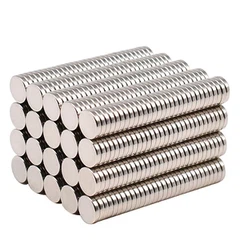
You rarely use pure cobalt as "the magnet." Instead, cobalt shows up in magnet materials and magnetic parts when you need stable performance, especially in heat or harsh environments.
Motors and Generators
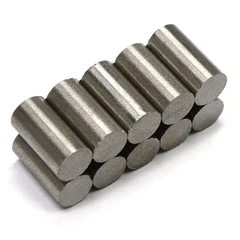
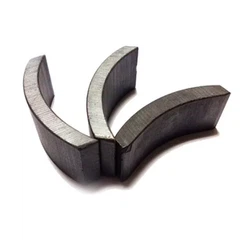
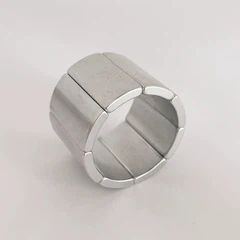
Cobalt-based magnets are used in some high-performance motors where heat and efficiency matter. You'll see cobalt most often through SmCo (samarium cobalt) magnets in compact motor designs, and in certain industrial drives that run hot.
Sensors and Measurement Devices
Cobalt appears in magnetic sensors, encoders, and positioning systems because it can help deliver stable magnetic behavior over time. In these setups, consistency matters more than raw pulling force.
Aerospace and High-Temperature Systems

This is one of the most common "cobalt magnet" stories. SmCo magnets are chosen for aerospace, defense, and high-temperature equipment because they hold up when temperatures rise and conditions are demanding.
Audio and Instruments
Cobalt is also part of AlNiCo (aluminum–nickel–cobalt) magnets, which are widely known in guitar pickups and some speakers. The goal here is a specific magnetic response and long-term stability, not just maximum strength.
Factors Affecting Cobalt Magnetism
Cobalt is magnetic, but what you observe can change a lot depending on conditions. If you've ever tested a cobalt alloy and felt unsure, this is why. The metal's magnetism isn't "locked" at one level forever.
Curie Temperature (Temperature Effect)
Heat is the biggest switch. As the temperature rises, the internal magnetic order starts to break down. The metal may still attract a magnet, but the pull can get weaker. Once cobalt reaches its Curie temperature, it no longer behaves as a ferromagnetic material and won't hold that strong, "stick-to-a-magnet" response.
In real life, this matters if your part runs hot-motors, generators, high-speed tooling, or anything near heaters. A cobalt-based material might look magnetic on your bench, but behave differently in service.
Alloying and Purity
Most cobalt you touch is not pure cobalt. It's an alloy. What it's mixed with can either support magnetism or reduce it.

A simple rule:
Some alloying elements disrupt magnetic alignment and lower magnetic strength.
Others are chosen to improve high-temperature stability or long-term performance.
Purity also affects consistency. Two "cobalt" samples can feel different under a magnet because their chemistry is different, not because your test is wrong.
Shape, Grain Structure, and Heat Treatment
Magnetism isn't only chemistry. It's also structured. The way the metal is formed and processed changes how magnetic domains form and move.
For example, these can shift what you measure:
Grain size and internal stress (from machining or forming)
Heat treatment history (which can "reset" the structure)
Part geometry (thin sections can feel weaker than thick ones)
So if you're selecting a cobalt-based material for a magnetic application, don't rely on a single quick magnet test. Consider temperature, alloy spec, and how the part is made.
Safety and Handling Notes
Cobalt and cobalt alloys are used in serious industrial parts, so it's smart to handle them with basic shop discipline. Most problems don't come from touching a solid piece of cobalt. They come from dust, fine particles, and high-energy machining.
Dust and Fine Particles
If you grind, sand, or cut cobalt-containing materials, you can create airborne dust. Don't treat it like harmless metal shavings. Use local extraction, wear the right mask, and clean up with methods that don't kick dust back into the air.
Machining and Heat
Machining can generate heat quickly. Heat doesn't just change the feel of magnetism; it can also change the surface condition and tool wear. Keep cutting conditions controlled, and don't overheat the part if the final magnetic behavior matters.
Coatings and Surface Protection
Many cobalt-based parts are coated for corrosion resistance or wear protection. If a coating is scratched or removed, the part can behave differently in harsh environments. After machining or fitting, protect exposed surfaces and store parts dry.
FAQs
Q: Why is cobalt used in some high-performance magnets?
A: Because cobalt-containing magnet systems (like SmCo) are chosen for stability, especially in high heat or demanding environments, where other magnets lose performance faster.
Q: Is cobalt dangerous to machines?
A: Solid parts are usually fine to handle, but machining, grinding, or sanding can create dust. That's when you should use proper extraction and PPE to avoid breathing fine particles.
Q: Does cobalt stay magnetic at high temperatures?
A: Not forever. As the temperature rises, cobalt's magnetism weakens. Above its Curie temperature, it won't behave as a ferromagnetic material.
Q: Can cobalt become a permanent magnet by itself?
A: Cobalt can be magnetized, but "permanent magnet" performance usually comes from engineered magnet materials, not pure cobalt. In practice, cobalt shows up in magnets as part of systems like SmCo or AlNiCo.
Q: If a cobalt alloy barely attracts a magnet, does that mean it has no cobalt?
A: Not necessarily. Alloying can weaken the magnetic response a lot. The cobalt content might be real, but the final magnetic behavior depends on the full chemistry and structure.
Conclusion
Cobalt is magnetic, and in most everyday tests, it behaves like iron and nickel. But the real takeaway is simple: what you see depends on temperature, alloying, and how the part was made. A cobalt-rich alloy might stick strongly in your hand, then feel weaker in a hot motor. That doesn't mean the material is "bad." It means magnetism has limits.
If you're selecting cobalt materials for a magnetic project, don't rely on a quick magnet test alone. Check the grade, your working temperature, and whether the part will be machined or heat-treated after you receive it.
If you want help choosing the right magnet for your application, especially for high temperature, corrosion exposure, or tight tolerances, contact Great Magtech. Share your drawing, size, coating needs, and operating conditions, and we'll help you spec the right cobalt-based solution (such as SmCo or cobalt alloys) for stable, reliable performance.