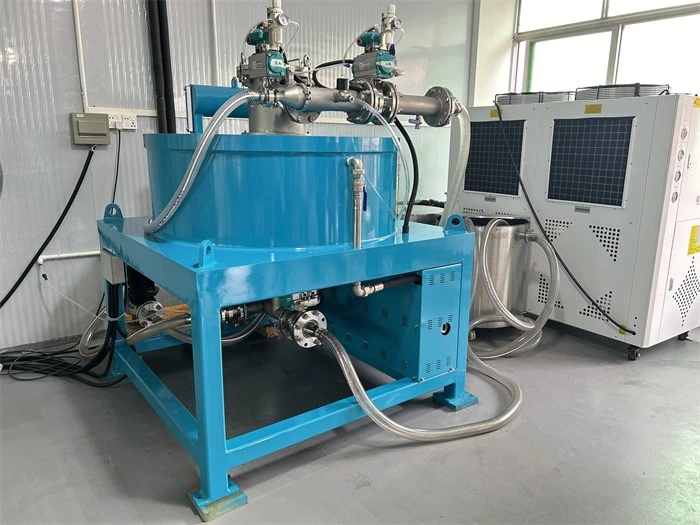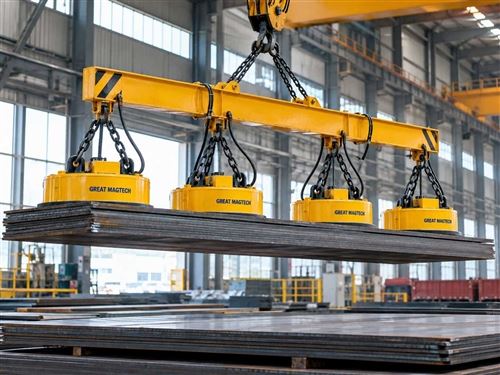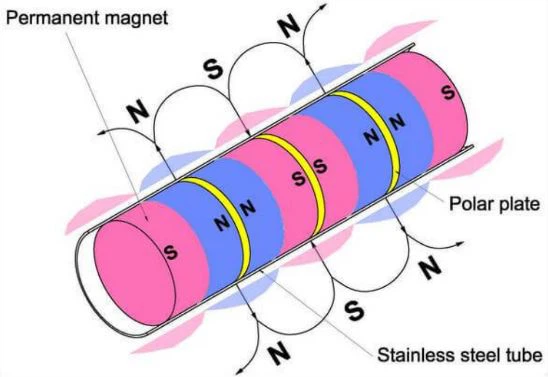
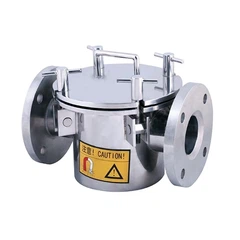
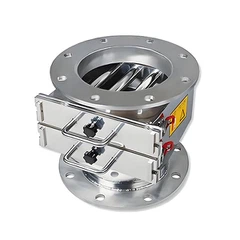
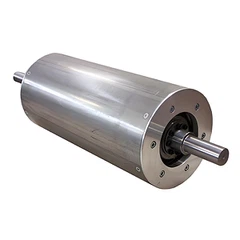










In industrial processing, removing iron particles is a must. Two main types of magnetic separators dominate the market: dry magnetic separators and wet magnetic separators.
Dry separators work without water, making them ideal for powders, granules, and coarse materials. Wet separators rely on water or slurry to improve separation accuracy, especially for fine or high-purity materials.
The big question is: which one suits your material and production conditions best? Understanding the differences can help you save costs, improve efficiency, and avoid unnecessary maintenance headaches.
What Is a Dry Magnetic Separator?
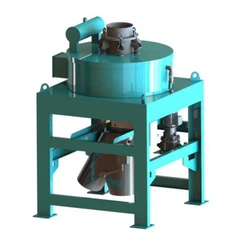
A dry magnetic separator is a device that uses air instead of water as a medium to remove iron and other iron-containing particles from dry materials. It operates without the need for water, making it suitable for powders, granules, and coarse materials.

You can find them in industries such as mining, food processing, and recycling, where controlling iron contamination is crucial. Dry magnetic separators rely on magnetic force to directly attract and remove metal particles from the material stream.
Features, Advantages, and Types of Dry Magnetic Separators
Key Features:
Operates without water.
Compact and simple structure.
Easy to install and maintain.
Advantages:
Lower operating cost than wet systems.
No need for water, which saves resources.
Suitable for dry, free-flowing materials.
Common Types:
Dry drum magnetic separators.
Belt-type dry magnetic separators.
High-intensity dry magnetic separators.
Dry magnetic separators are practical, energy-efficient, and a flexible solution when your material is dry or coarse.
What Is a Wet Magnetic Separator?
A wet magnetic separator is designed to remove iron and other ferrous impurities from materials using water or slurry. Unlike dry separators, it works with liquid to enhance particle movement and improve separation accuracy.

You will see wet separators in mining, chemical production, and fine material processing, especially when high purity or fine particle separation is required. The water or slurry helps the material flow smoothly, allowing magnetic particles to be captured more effectively.
Features, Advantages, and Types of Wet Magnetic Separators
Key Features:
Operates with water or slurry.
Suitable for fine and sticky materials.
Provides higher separation accuracy.
Advantages:
Achieves high purity and efficiency.
Reduces particle agglomeration.
Stable performance in continuous operations.
Common Types:
Wet drum magnetic separators.
Wet high-gradient magnetic separators.
Electromagnetic wet separators.
Wet magnetic separators are ideal when your material is wet, fine, or requires precise iron removal.
Dry vs Wet Magnetic Separator Comparison Table
Choosing between a dry and wet magnetic separator depends on your material type, production needs, and operating conditions. The table below highlights the main differences so you can quickly see which option fits your process.
|
Feature |
Dry Magnetic Separator |
Wet Magnetic Separator |
|
Working Medium |
Dry, no water required |
Water or slurry |
|
Separation Accuracy |
Medium |
High |
|
Suitable Materials |
Powders, granules, coarse materials |
Fine particles, slurries |
|
Operating Cost |
Lower |
Higher |
|
Maintenance Complexity |
Simple |
Medium to high |
|
Installation |
Easy |
Requires water system setup |
|
Purity Level |
Moderate |
High |
Dry separators are simpler, more energy-efficient, and better for coarse, free-flowing materials. Wet separators excel when you need high precision, deal with fine particles, or require higher purity levels.
Pros and Cons of Dry Magnetic Separators
Dry magnetic separators are simple and effective, but they come with both strengths and limitations. Let's take a closer look.
Pros
Dry magnetic separators are widely used because they are simple and efficient.
No Water Required: Perfect for dry powders, granules, and coarse materials.
Low Operating Cost: Energy consumption is lower than that of wet systems.
Easy Maintenance: The fewer components and simpler structure make cleaning and upkeep straightforward.
Flexible Installation: Can be added to existing production lines without complex water systems
Durable and Reliable: Works well under standard industrial conditions without frequent breakdowns.
If your material is dry and free-flowing, a dry separator can save you both time and money.
Cons
While dry separators offer many benefits, there are limitations to consider.
Lower Separation Precision: Not ideal for fine or sticky materials.
Limited Purity: May not achieve very high purity levels compared to wet systems.
Dust Issues: Can produce dust in the workspace if not properly enclosed.
Not Suitable for Wet Materials: Materials containing moisture can clog or reduce performance.
Pros and Cons of Wet Magnetic Separators
Wet magnetic separators offer high precision, but they also come with considerations. Let's explore their advantages and limitations.
Pros
Wet magnetic separators are ideal when you need high-purity separation.
High Separation Accuracy: Excellent for fine particles and slurries.
Improved Purity: Removes more iron and magnetic impurities than dry separators.
Reduced Particle Clumping: Water or slurry helps materials flow smoothly.
Stable Performance: Works consistently in continuous production environments.
Versatile: Can handle materials that are sticky or difficult to process dry.
Cons
Despite their advantages, wet separators require more planning and care.
Higher Operating Costs: Requires water circulation and more energy.
More Complex Maintenance: Cleaning and managing water systems takes effort.
Installation Requirements: Needs space and infrastructure for water or slurry.
Not Suitable for Completely Dry Materials: Works best with liquid or semi-liquid streams.
Operating Environment Comparison
Choosing the right magnetic separator often depends on where and how you plan to use it. Both dry and wet separators have environments where they perform best.

Dry Separators Suit Dry Regions and Water-limited Sites
Dry magnetic separators are ideal when water is scarce or the site does not support a water system.
Minimal Infrastructure Needed: No piping or water treatment required.
Works In Dusty or Arid Conditions: Maintains efficiency even in dry climates.
Easy Relocation: Can be moved or installed quickly on different production lines.
If your site has limited water access or you handle mainly dry powders and coarse materials, dry separators are the practical choice.
Wet Separators Suit Mines and Plants With Water Systems
Wet magnetic separators perform best in facilities where water or slurry circulation is available.
High-purity Separation: Slurry flow enhances fine particle removal.
Stable Processing: Continuous water flow keeps materials moving smoothly.
Suitable for Large-scale Operations: Works well in mines or chemical plants with water infrastructure.
If your production involves wet materials or requires precise separation, a wet separator fits well in your plant setup.
Cost and Operating Expense Comparison
When deciding between dry and wet magnetic separators, cost plays a major role. Both initial investment and operating expenses should be considered.
Dry separators usually have lower upfront costs. They are simpler in design and don't require water systems, making installation easier and cheaper. Operating costs are also lower because energy consumption is moderate and maintenance is straightforward.
Wet separators generally cost more. They need water circulation systems, pumps, and additional infrastructure. Energy consumption is higher due to slurry circulation, and maintenance requires cleaning the water system regularly.
Dry Separator: Lower investment, lower energy cost, easy maintenance.
Wet Separator: Higher investment, higher energy and maintenance costs, but offers higher separation precision.
Durability and Service Life Comparison
Durability is a key factor when choosing between dry and wet magnetic separators. How long a machine lasts depends on material handling, environment, and maintenance.
Mechanical Wear Differences Under Dry vs Wet Conditions
Dry magnetic separators generally experience less mechanical wear. Without slurry or water, moving parts face less friction, and abrasive materials are easier to manage.
Lower Maintenance Frequency: Fewer worn parts mean less downtime.
Suitable for Coarse, Dry Materials: Performs well over long periods without major wear.
Wet magnetic separators deal with slurry or liquid materials, which can accelerate wear if not properly managed. Pumps, belts, and rotating components require regular checks.
Higher Mechanical Stress: Continuous slurry flow can erode parts.
Scheduled maintenance is essential: Keeps separators running smoothly and prolongs service life.

Corrosion and Sealing Requirements for Wet Systems
Wet separators must handle moisture constantly, so corrosion resistance is critical. Seals and protective coatings prevent rust and leakage.
Material Choice Matters: Stainless steel or coated components extend lifespan.
Sealing Systems: Proper sealing prevents slurry leaks and maintains efficiency.
Maintenance Routine: Regular inspection of seals, coatings, and water quality reduces breakdowns.
Overall Performance and Value Comparison
|
Feature / Factor |
Dry Magnetic Separator |
Wet Magnetic Separator |
|
Separation Precision |
Good for coarse and medium particles; may miss very fine impurities |
Excellent for fine particles; high-purity output even with slurries |
|
Material Throughput |
Moderate; best for smaller volumes of dry materials |
High; can handle large volumes of wet or slurry materials continuously |
|
Maintenance Frequency |
Low; occasional belt or roller checks |
Medium to high; pumps, seals, and slurry channels require regular inspection |
|
Energy Consumption |
Lower; mainly mechanical movement |
Higher pumps and slurry circulation increase energy use |
|
Space Requirements |
Compact footprint; easy integration |
Larger footprint due to the water system and circulation setup |
|
Environmental Adaptability |
Works in dry, dusty, or arid sites |
Needs water access; performs best in plants with water systems |
|
Operational Complexity |
Simple, easy to operate with minimal training |
More complex operators need to monitor water flow, slurry consistency, and corrosion control |
|
Long-Term Value |
Cost-effective for simple dry material processing; low running cost |
Investment his igher but justified if high purity and continuous wet separation are required |
How to Choose: Which One Is Right for You?
Deciding between a dry or wet magnetic separator comes down to your material, environment, and production goals. Let's break it down so you can choose the right one for your operation.
Choose a Dry Magnetic Separator if
Your materials are dry powders, granules, or coarse ores.
You are working in arid or water-limited sites.
You prefer lower initial investment and minimal operating costs.
Your production line needs a compact, flexible system.
Maintenance should be simple and quick, without frequent part replacement.
Dry separators are practical, cost-effective, and easy to integrate when high purity is not the top priority for fine particles.
Choose a Wet Magnetic Separator if
You handle wet, sticky, or fine materials that require precise separation.
Your facility has a water circulation system or access to sufficient water.
You aim for high-purity output for downstream processes.
Your production requires continuous, large-volume processing.
You can commit to regular maintenance for pumps, seals, and corrosion protection.
Wet separators deliver excellent separation quality, especially for fine or slurry materials, but they require more investment and operational attention.
FAQs
Q: Can I use a dry magnetic separator for wet materials?
A: No. Dry separators are designed for powders, granules, and coarse dry ores. Using them with wet or sticky materials can reduce efficiency and cause clogging.
Q: Can I switch from a dry to a wet separator if my production changes?
A: Switching is possible, but wet separators require additional infrastructure like water circulation systems. Plan carefully before making changes.
Q: How often should wet separators be maintained?
A: Wet separators require regular maintenance. Check pumps, seals, and corrosion protection frequently to keep the system running efficiently and prevent breakdowns.
Q: How important is water quality for wet separators?
A: Water quality matters. Hard water or impurities can cause scaling and affect magnetic efficiency. Regular cleaning and proper filtration help maintain performance.
Q: Can magnetic separators be customized?
A: Yes! Both dry and wet separators can be tailored to your material type, particle size, and production volume. Customization may include: Magnetic strength adjustment. Drum or belt size modifications. Feed system adaptations. Corrosion-resistant or wear-resistant coatings.
Q: Is customized equipment more expensive?
A: Typically, yes. Custom separators may have higher upfront costs due to special design, materials, or features. But the investment often pays off with higher recovery rates, longer service life, and fewer maintenance issues.
Conclusion
After comparing dry and wet magnetic separators, it's clear that the best choice depends on your material, workflow, and production needs. Each type has its own advantages:
Dry magnetic separators work best with coarse, dry materials and in areas with limited water. They are simple to operate, cost-effective, and require less maintenance.
Wet magnetic separators are ideal for fine particles or slurry materials. They provide higher separation efficiency and purity but need a water system and careful upkeep.
Remember: There is no one-size-fits-all solution. The right separator matches your specific material, plant setup, and performance goals.
Consider custom options: If your materials are unique, abrasive, or your plant has special layout requirements, a customized magnetic separator can enhance efficiency, reduce wear, and improve recovery.
Take action now! Explore Great Magtech's full range of dry and wet magnetic separators, compare models, and contact our experts for tailored advice to optimize your operations.