











Look around, and you'll find magnets everywhere, because they solve a simple problem: they can hold, move, sense, or separate objects without direct contact. The phone in your hand uses tiny magnets to power its speaker and vibration motor. Your car door likely uses magnetic latches to seal it. Even the headphones you might be wearing rely on magnets to produce sound.
Once you notice magnets, you can't ignore them. Your bicycle's speed sensor, your laptop lid, and even factory conveyor belts often rely on magnetism.
The tricky part is that "magnet" isn't a single thing. Magnets made from different materials, shapes, and grades have vastly different properties. Understanding how they work can help you better understand the technology you use every day.
What Is a Magnet?
A magnet is a material that produces a magnetic field. This magnetic field can attract certain metals, such as iron, and can also exert a push or pull force on other magnets. Every magnet has two ends called magnetic poles: a north pole and a south pole. If you've ever felt two magnets snap together, you've experienced this invisible magnetic field at work.
The basic rule is simple: opposite poles attract, and as poles repel.

Permanent vs Temporary Magnets
Not all magnets work the same way. The main difference lies in how long they retain their magnetism.
Permanent magnets, like the magnets on your refrigerator, produce their own continuously existing magnetic field. Once magnetized, they retain their magnetism for years unless damaged by high temperatures or strong external forces.
Temporary magnets only exhibit magnetism when they are in a magnetic field. A paperclip stuck to a refrigerator magnet becomes a temporary magnet. Remove it, and it quickly loses its magnetism.
You can think of a permanent magnet as a battery that is always powered. A temporary magnet is like a device that only works when plugged into a power source.
How Does a Magnet Work?
A magnet works because it creates an invisible force around it. You can't see it, but you can see the results: metal jumps toward it, or another magnet snaps into place.
Magnetic Fields
The space around a magnet isn't empty. It's filled with an invisible influence called a magnetic field. It spreads out from the magnet and gets weaker as you move away. This is why a magnet feels strong up close, but doesn't do much from a distance. The field is also why magnets can pull through thin materials like plastic, paint, or air gaps.

Domains
Inside certain metals, tiny groups of atoms act like mini magnets. These groups are called domains. In most objects, the domains point in different directions, so their forces cancel out.
When a metal becomes magnetized, many domains line up in the same direction. Now they work together instead of fighting each other. That's when the material starts acting like a real magnet-and can attract other magnetic materials strongly.
What Materials Are Magnetic?
Not every metal is magnetic. In fact, most materials won't stick to a magnet at all. The difference comes down to how their atoms react to a magnetic field.
Ferromagnetic Materials
Ferromagnetic materials are the ones you notice right away. They are strongly attracted to magnets and can be magnetized themselves. The main examples are iron, nickel, and cobalt, plus many steels that contain a lot of iron. This is why a magnet grabs a steel tool, but ignores aluminum foil.
Paramagnetic and Diamagnetic
Paramagnetic materials are weakly attracted to a magnetic field, but the effect is so small you won't feel it with a normal magnet. Diamagnetic materials are weakly repelled, also too small to notice in daily life.
So if something doesn't stick, it doesn't mean "no metal." It usually just means it isn't ferromagnetic, or it's coated, painted, or too far away from the magnet's strongest field.
Types of Magnets
Magnets aren't all built the same. The material decides how strong the magnet can be, how it handles heat, and how well it survives moisture or corrosion.
Neodymium Magnets
These are the strongest permanent magnets commonly available on the market. A small neodymium magnet can generate an astonishing amount of magnetic force. They are an alloy of neodymium, iron, and boron. You can find them in high-performance applications: powerful motors in electric vehicles and tools, small speakers, and high-tech medical equipment.
They are prone to rusting and are not resistant to high temperatures, so they usually require a nickel or zinc plating protective layer to prevent corrosion.
Ferrite (Ceramic) Magnets
Ferrite magnets are the black, brittle magnets found on your refrigerator door; they are inexpensive and durable. Made from iron oxide and strontium carbonate or barium carbonate, ferrite magnets are significantly weaker than neodymium magnets of the same size. You'll find them in speakers, simple motors, and magnetic separators, where size is not a primary consideration. While not as strong as neodymium magnets, they perform well in harsh environments.
Samarium Cobalt Magnets
Think of these as a high-performance alternative to neodymium. They are almost as strong but excel in two areas: extreme temperature stability and corrosion resistance.
They work reliably in environments where temperatures soar, like inside aerospace sensors or downhole drilling tools. Their main drawback is high cost and brittleness.
AlNiCo Magnets
Aluminum, nickel, and cobalt make up this classic magnetic material, which was widely used before the advent of newer magnetic materials. Alnico magnets have good high-temperature resistance and moderate magnetic strength, but they are prone to demagnetization. You might still find them in some older guitar pickups, sensors, and certain measuring instruments.

How Magnets Are Made
Most high-performance magnets (like sintered NdFeB) follow a step-by-step factory process. If you understand the flow, it's easier to judge quality-and easier to write the right specs when you order.
It starts with raw materials. The alloys are weighed and prepared, then moved into melting, where they're turned into a controlled metal mix. After that comes HP (hydrogen processing) and jet milling, which break the material down into very fine powder. This powder is where magnet performance begins.
Next is processing: the powder is pressed into shape, often while a strong magnetic field helps align the grains. Then it goes through sintering, where heat fuses the powder into a dense solid magnet.
After sintering, the magnet is checked, then machined to the final size because sintered magnets are hard and brittle. A protective coating is added to fight corrosion. Finally, the parts go through a final inspection, get magnetized and packed, and then shipped for delivery.
Each step affects strength, tolerance, and consistency, so good magnets are built, not guessed.
Sintered vs Bonded Magnets
|
Item |
Sintered Magnets |
Bonded Magnets |
|
Main Process |
Powder is pressed and sintered at high heat into a dense solid |
Powder is mixed with resin and molded (injection/compression) |
|
Magnetic Strength |
Higher (better for small, high-force designs) |
Lower (needs more volume for the same force) |
|
Shape Freedom |
Medium (simple blocks, discs, rings; machining often needed) |
High (thin walls, complex shapes, tight features) |
|
Dimensional consistency |
Good, but often needs grinding for tight specs |
Very good "as molded" for many designs |
|
Typical Use |
Motors, separators, fixtures, high-performance assemblies |
Sensors, small components, high-volume consumer parts |
Tolerances and Coatings
After sintering or molding, the real-world fit depends on tolerance. A magnet that's 0.1 mm off can cause loose assemblies, rubbing, or air gaps that reduce holding force. That's why OEM orders usually specify size tolerance (like ±0.05 mm) instead of "standard size."
Coatings matter just as much, especially for NdFeB, which can corrode in humid or salty air. Common choices include NiCuNi for general use, epoxy for stronger corrosion protection, and zinc for basic indoor applications. If your magnet will see water, chemicals, or handling wear, choose the coating based on the environment, not just cost.
Common Magnet Shapes
Shape matters more than most people expect. It changes how the magnetic field "shows up" in your product, and it also changes how easy the magnet is to mount or protect.
Disc Magnets
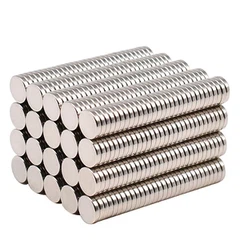
These are flat, circular magnets, often with poles on the flat faces. Their simple shape makes them versatile. You'll find them in craft projects, cabinet latches, and as the core of small sensors.
Block Magnets
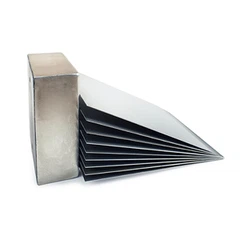
Rectangular blocks provide a large, flat surface for strong holding power. They are common in industrial jigs, holding systems, and educational kits where a stable, powerful grip is needed.
Ring Magnets
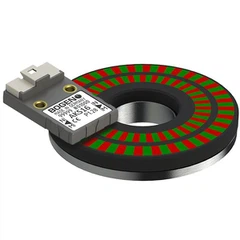
A ring magnet has a hole in its center. The magnetic field is usually across the thickness. This allows a shaft or screw to pass through, making them essential in speakers, motors, and magnetic couplings.

Arc Magnets
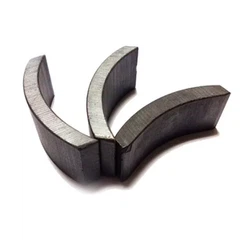
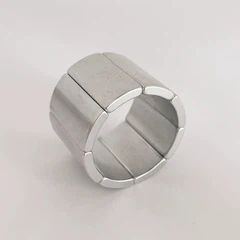
These are curved segments, like a slice of a ring. They are designed to fit around a rotor. Their primary use is in DC motors and generators to create a smooth, rotating magnetic field.
Rod Magnets
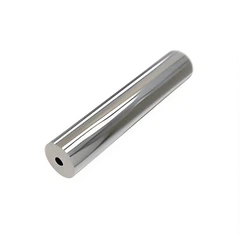
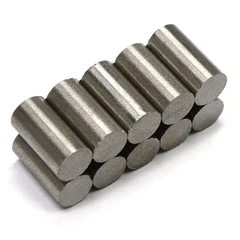
These are cylindrical bars, often with poles at the ends. A classic example is a simple bar magnet used in demonstrations. They are also used in magnetic tools, like retrievers, and in some medical devices.
How to Choose the Right Magnet
Choosing a magnet is not just "pick the strongest one." You want the right size, the right performance in your real setup, and a surface that survives where you use it. If you're buying for OEM, always confirm operating temperature, coating, and required tolerances. Those three details prevent most late-stage surprises.
Pull Force vs Real-World Holding
The listed pull force is measured under ideal conditions: directly onto a thick, clean steel plate. Your real-world hold will be weaker.
Material: It only applies to steel. It will be much lower on stainless steel, aluminum, or wood.
Air Gap: Any surface finish, paint, or even a thin layer of plastic creates a gap, dramatically reducing strength.
Shear Force: Pull force is for direct separation. A magnet often fails more easily when force is applied sideways (shear force).
Temperature and Curie Point
Every magnet material has a maximum operating temperature. Exceed it, and the magnet permanently loses strength.
The critical threshold is the Curie Point. At this temperature, the magnet loses all its magnetism. For example, a standard neodymium magnet may work up to 80°C, but its Curie point might be 310°C. Always check the grade.
Coatings and Corrosion
An uncoated neodymium magnet will rust. The environment dictates the coating.

Nickel (Ni-Cu-Ni): A standard, durable metallic coating for most indoor use.
Epoxy/Polymer: A thick, insulating layer good for moisture resistance.
Zinc: Offers a decent protective finish, often with a slight bluish tint.
Gold or Teflon: Used for specialized applications requiring non-corrosive or non-stick properties.
Choosing correctly means looking beyond the catalog number to the actual conditions the magnet will face.
Common Magnet Applications by Industry
Magnets show up in almost every modern industry because they can move, sense, hold, and separate parts without touching. What changes is which magnet you need and what it must survive.

Automotive / EV
In cars and EVs, magnets are inside traction motors, pumps, sensors, and many small actuators. Heat, vibration, and long service life matter here. A magnet that's fine in a garage tool might not last under the hood
Industrial Automation
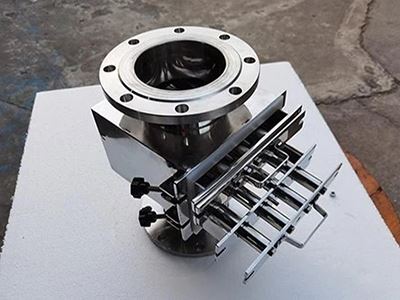
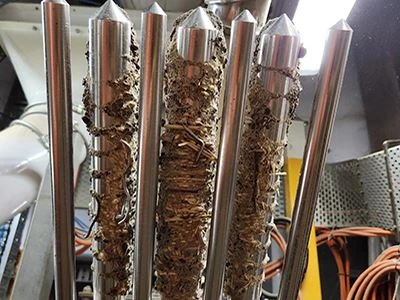
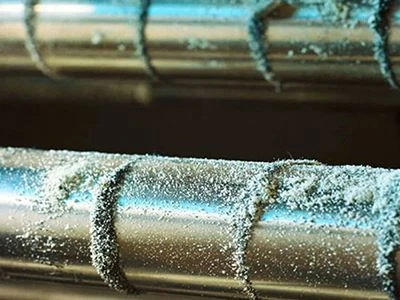
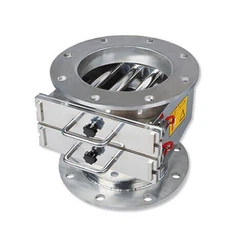
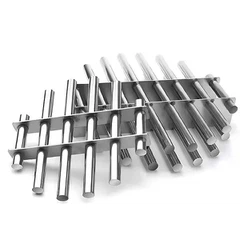
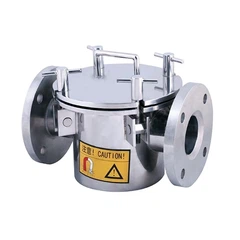
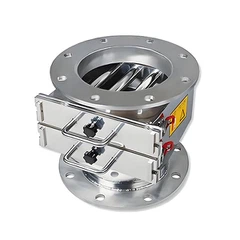
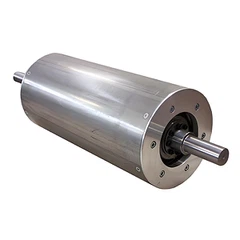
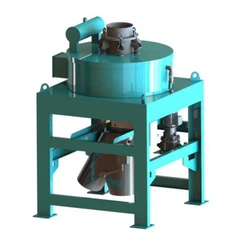
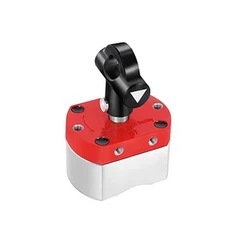
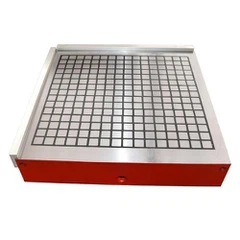
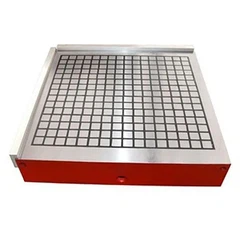
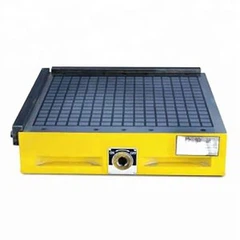
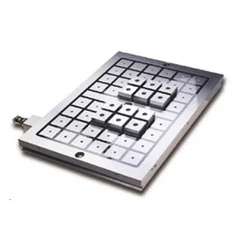
Factories use magnets for lifting, clamping, positioning, and sorting. You'll see them in grippers, conveyor sensors, and magnetic separation systems that pull metal contamination out of product flow. Consistent pull force and durable coatings are key.
Consumer Electronics
Phones, earbuds, and laptops rely on magnets for speakers, haptics, lid sensors, and simple "snap" closures. Here, compact size and stable performance are the priority. Tiny magnets do a lot of work.
Medical Devices
Medical and lab tools use magnets for holders, fixtures, pumps, and precise motion control. Cleanliness, corrosion resistance, and reliability are the big concerns. In some setups, you also need magnets that behave predictably near sensitive electronics.
Safety Notes
Magnets look harmless until they aren't. Small ones can still snap together fast, and larger ones can bruise skin or break if they collide.
Pinch and Break Risk: Keep fingers out of the gap when two magnets attract. If a brittle magnet chips, the sharp pieces can fly. Eye protection is a good habit when you handle stronger magnets.
Electronics and Pacemakers: Strong magnets can affect phones, watches, credit cards, and sensors. Keep them away from devices that rely on compasses or magnetic strips. If you or someone near you has a pacemaker or medical implant, treat strong magnets with extra caution and keep a safe distance.
Heat Exposure: Heat can weaken magnets, sometimes permanently. Don't place magnets near ovens, hot motors, or welding work unless the magnet grade is made for that temperature.
FAQs
Q: What magnet type should you choose for high temperature?
A: SmCo is often used for high-temperature stability. Some NdFeB grades also handle higher temperatures, but you must confirm the rating.
Q: How can I tell the north and south poles of a magnet?
A: Use a compass. The end of the needle that normally points north will be attracted to the magnet's south pole. Alternatively, suspend the magnet freely; the end that points toward geographic north is its north-seeking pole.
Q: Is stainless steel magnetic?
A: Sometimes. Common grades like 430 are magnetic. However, many stainless steels, like the popular 304 and 316 grades used in kitchen sinks and appliances, are not strongly magnetic because their crystal structure is different.
Q: How do I separate two very strong magnets that are stuck together?
A: Do not try to pull them apart with your hands. Instead, slide one magnet sideways off the edge of the other.
Q: What information should you provide for an OEM magnet quote?
A: At minimum: drawing or dimensions, material (NdFeB/ferrite/SmCo/AlNiCo), grade, magnetization direction, coating, tolerance, operating temperature, and the application environment.
Conclusion
A magnet is simple on the surface, but the details decide whether it works in real life. Material affects strength and heat resistance. Shape changes how the field "shows up." And small things, like air gaps, coatings, and tolerances, often decide if your design holds steady or fails early.
If you're choosing magnets for a product, don't guess based on size alone. Start from your working conditions: what it needs to hold, what it's touching, and what temperature and moisture it will face.
When you're ready to source magnets for OEM use, Great Magtech can help you turn a rough idea into a clear spec. Send your drawing, size, magnet type, coating needs, and operating temperature. You'll get a practical recommendation that matches your application, not just a catalog number.