






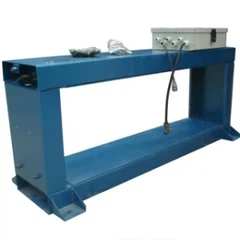
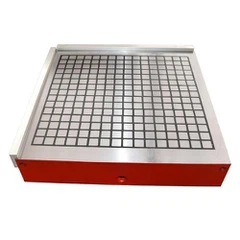
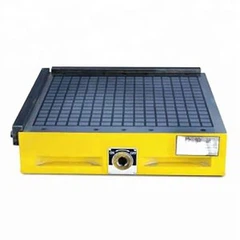
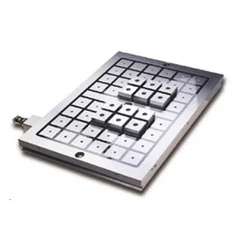


In contemporary industrial processing, eliminating metallic impurities from raw materials is essential for maintaining equipment health, product integrity, and process efficiency. As environmental standards and product quality requirements grow stricter, electromagnetic separators have become central to contamination control across a wide range of industries.
From mining operations to ceramic production and chemical processing, the need for precise and reliable metal removal equipment has led to the widespread adoption of magnetic separation systems. Among these, electromagnetic separators offer unmatched flexibility and efficiency, making them the preferred choice for both dry and wet material processing environments.
Understanding Electromagnetic Separator Technology
To appreciate the value of dry and wet separators, it's important to understand the underlying technology. Electromagnetic separation relies on the generation of a controlled magnetic field to attract and isolate ferrous particles from a flowing stream of material.
Unlike permanent magnets, which maintain a constant magnetic field, electromagnetic separators use electric coils to generate adjustable magnetic intensities. This allows operators to control the strength and timing of the magnetic force, which is especially important for fine particles or variable feed conditions.

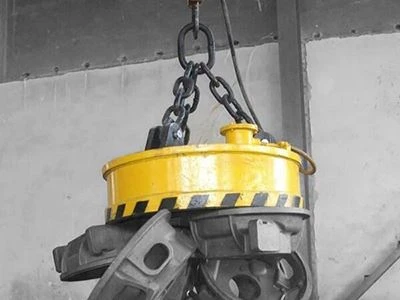
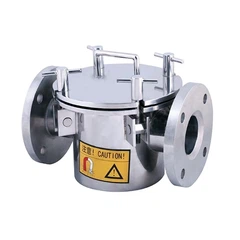
Key components typically include the magnetic coil assembly, magnetic core, power control panel, and feeder system. These units can be custom-engineered to handle different capacities, material characteristics, and separation requirements, ensuring high purity levels with minimal product loss.
Dry Electromagnetic Separator Structure and Application
Dry electromagnetic separators are specifically designed for use in environments where materials are processed without moisture. These machines are ideal for treating coarse or granular materials in sectors where drying is preferred or water is not available.
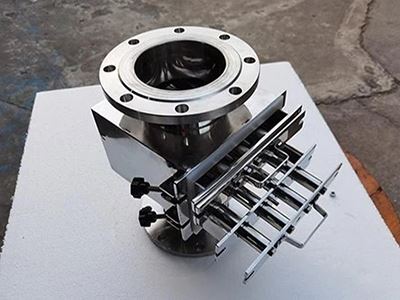
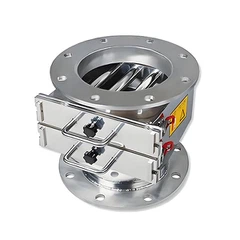
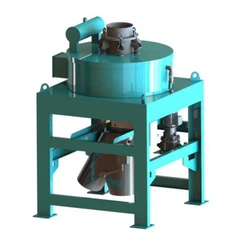
The structure of a typical dry electromagnetic separator includes a vibration-assisted feeder, a high-intensity magnetic coil, and a discharge chute with adjustable splitters. This enables precise separation of ferrous contaminants from materials like feldspar, quartz, ceramics, glass powder, and industrial abrasives.

Dry systems are particularly valued in industries like:
Mining and Beneficiation: Where iron-bearing minerals must be removed from non-metallic ores.
Ceramics and Refractories: To ensure high purity in kaolin and alumina-based products.
Plastic Recycling: Where clean separation improves downstream processing.
Food Processing (e.g., powdered spices, grains, or tea leaves): Where even tiny metal fragments could trigger regulatory violations.
Additional Applications of Dry Electromagnetic Separators
Beyond the industries already mentioned, dry electromagnetic separators are increasingly being adopted in the following sectors:
Powder Metallurgy: In the manufacture of metal powders, purity is critical for sintering quality. Dry separators effectively remove iron filings from nickel, cobalt, and copper powders.
Abrasives Industry: When producing sandpapers or polishing compounds, even microscopic iron inclusions can scratch surfaces or impair performance. Dry separators ensure uniform grain consistency and product safety.
Electronics Recycling: In e-waste processing, dry magnetic separation allows efficient isolation of ferrous contaminants from crushed circuit boards and plastics, aiding in sustainable recovery.
These emerging applications highlight the growing demand for dry separators in industries where moisture cannot be tolerated and particle purity directly impacts end-product value.
Advantages of dry separators include lower energy consumption, reduced maintenance, and independence from water resources. Their compact footprint makes them suitable for integration into existing dry processing lines.
Wet Electromagnetic Separator Functionality and Use Cases
In contrast, wet electromagnetic separators are engineered to process slurry or fluid-based mixtures. These systems excel at recovering very fine ferromagnetic particles suspended in liquid flows, offering greater precision in material purification.
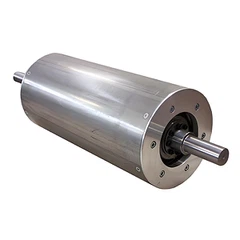
A typical wet electromagnetic separator consists of a stainless-steel tank, feed and discharge ports, a magnetized drum or matrix chamber, and an internal water circulation system. The slurry flows through the magnetized zone where magnetic particles are attracted to the matrix and separated from the non-magnetic components.

Key application areas include:
The versatility of wet separators is also gaining traction in additional industries:
Pharmaceutical Manufacturing: In the production of active pharmaceutical ingredients (APIs) and intermediates, wet separators are used to eliminate trace ferrous particles that may affect chemical stability or regulatory compliance.
Textile Dye and Pigment Formulation: Iron contamination in liquid dye batches can result in discoloration and batch inconsistency. Wet separators ensure purity and improve final product reliability.
Beverage and Brewing Industries: In processing plants where stainless steel can erode over time, wet separators capture microscopic particles in slurry phases to maintain hygiene standards.
Oil and Petrochemical Sectors: Certain fluid processes require the removal of rust or pipeline scale that could interfere with chemical reactions or foul refining equipment.
These examples show how wet separators are not only vital in traditional industries like mining but are now being tailored for high-purity sectors such as pharmaceuticals and pigment manufacturing.
Mineral Processing Plants: Particularly in the beneficiation of hematite, ilmenite, and manganese ore.
Battery Materials Industry: including lithium carbonate, graphite, and cathode precursor refinement.
Chemical and Pigment Industries: for the removal of iron particles from fluid mixtures.
Environmental protection sectors, such as wastewater treatment and the recovery of metals from tailings.
Benefits of wet separators include higher recovery rates, the ability to handle ultra-fine particles, and excellent consistency in slurry-based environments. Their high-gradient magnetic fields are optimized for maximum retention with minimal entrainment.
Choosing Between Dry and Wet Electromagnetic Separators
Selecting the correct electromagnetic separator depends heavily on material moisture content, particle size distribution, and specific process goals. Understanding the differences between dry and wet systems is essential for achieving optimal performance.
Dry electromagnetic separators are best suited for:
Free-flowing powders and granules.
Water-sensitive processes.
Locations without slurry handling infrastructure.
Wet electromagnetic separators, on the other hand, are preferred when:
Materials are processed as slurries.
Ultra-fine particle recovery is essential.
Higher magnetic field gradients are needed.
Additional considerations include:
Energy Consumption: Dry separators generally consume less energy, though wet units may yield higher recovery rates.
Maintenance and Wear: Wet systems typically require more frequent cleaning, while dry models are easier to maintain.
Capital investment: Wet separators may involve a higher initial cost due to pump systems and tank structures.
Design Considerations When Purchasing an Electromagnetic Separator
Choosing the right model also requires an understanding of key design parameters. Buyers should evaluate:
Magnetic Field Strength (typically in Gauss): The required strength depends on the material's magnetic properties.
Coil Cooling Method: Air-cooled coils offer simplicity and cost savings, while oil-cooled systems are better for continuous operation.
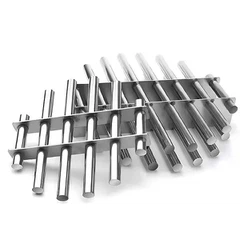
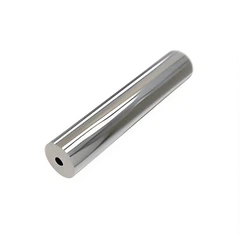
Matrix Type (for wet separators): Plate, rod, and net structures provide different separation efficiencies for various particle sizes.
Corrosion Resistance: For harsh chemical or saline environments, stainless steel or specialized coatings are essential.
Comparison with Other Metal Separation Methods
Electromagnetic separators are often compared to other types of metal separation equipment. Key alternatives include:
Permanent Magnet Separators: Suitable for basic needs, but offer less control and lower gradient strength.
Eddy Current Separators: Ideal for separating non-ferrous metals like aluminum or copper, not ferrous materials.
Gravity Separation: Effective for density-based sorting but not selective for magnetic contamination.
Operators often choose electromagnetic separators for their precision, especially when dealing with ultra-fine particles that other systems struggle to recover. The ability to adjust magnetic intensity in real time offers critical flexibility in variable feed conditions.
Integrating Electromagnetic Separators Into Production Lines
For maximum effectiveness, electromagnetic separators must be properly integrated into the industrial workflow. Poor placement or inadequate feeding systems can reduce separation efficiency and lead to contamination issues downstream.
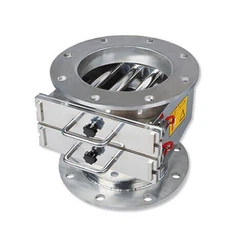
Dry separators are usually installed in gravity-fed chutes or inline conveyor systems. Material flows are regulated by vibratory feeders or rotary valves to ensure consistent distribution across the magnetic field.
Wet systems are integrated into slurry pipelines with inlet and outlet ports configured for laminar flow. Proper agitation, tank design, and flow velocity are critical to maintain throughput while minimizing turbulence.
Automation and PLC-based controls are increasingly common, allowing remote monitoring of magnetic intensity, coil temperature, and flow rates. Safety features such as overload protection and enclosed magnetic chambers help reduce the risk of electric faults and operator injury.
Enhancing Metal Contamination Control With Electromagnetic Separation
Beyond raw separation performance, electromagnetic separators are strategic tools for maintaining long-term production stability and compliance. By effectively capturing unwanted ferrous particles, these systems protect sensitive downstream equipment like crushers, mills, extruders, and classifiers.
Additional benefits include:
Improved Product Quality: Especially critical in industries like ceramics, glass, food, and pharmaceuticals.
Reduced Machine Downtime: Ferrous particles can cause significant damage to rotating or abrasive machinery.
Regulatory Compliance: Many industries now mandate the use of metal removal systems to meet international safety standards such as HACCP and ISO 22000.
Maintenance Best Practices for Electromagnetic Separators
To maintain peak performance, both dry and wet electromagnetic separators require regular upkeep. Preventive maintenance not only extends equipment lifespan but also ensures consistent separation efficiency, which is critical in quality-sensitive industries.
For Dry Electromagnetic Separator
Inspect feeder alignment and vibration systems weekly to avoid uneven material distribution.
Clean magnetic coils periodically to prevent heat buildup, which can reduce magnetic intensity over time.
Check for material buildup near discharge points that may affect separation performance.

For Wet Electromagnetic Separator
Flush matrix chambers routinely to remove residual slurry that can lead to clogging or corrosion.
Monitor pump systems and valve seals for leakage, as consistent slurry flow is essential for stable performance.
Calibrate sensors to ensure accurate control of magnetic field intensity and flow rates.
By following these best practices, industries can avoid unplanned downtimes and preserve the reliability of their separation systems.

Case Studies: Success Stories in Dry and Wet Magnetic Separation
Real-world examples highlight the tangible advantages of investing in advanced electromagnetic separation systems.
Dry Separator in Ceramic Plant
A ceramic manufacturer faced high levels of iron contamination in feldspar feed. After installing a dry electromagnetic separator, the company achieved over 98% purity and reduced kiln defects by 60%, saving thousands in production losses.
Wet Separator in Lithium Processing
A lithium battery material supplier needed to remove trace metals from lithium carbonate slurry. A wet separator with a high-gradient matrix delivered recovery rates above 99%, significantly improving battery-grade material output.
Dual-Stage Wet System in Kaolin Plant
A kaolin processing facility deployed two-stage wet magnetic separation to remove iron oxides and titanium impurities. The result was a 40% increase in whiteness index, opening access to premium export markets.
Conclusion
Electromagnetic separators-in both dry and wet configurations-are indispensable tools for industries seeking precise metal separation and contamination control. They offer unmatched flexibility, scalability, and performance across diverse applications, from mineral processing to fine chemical production.
By understanding the specific needs of your process-moisture levels, particle size, purity targets-you can select the right electromagnetic separator to enhance product quality, reduce maintenance costs, and ensure compliance with global standards.