
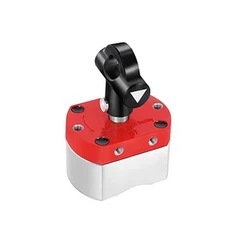

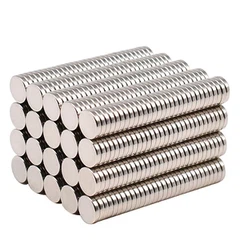
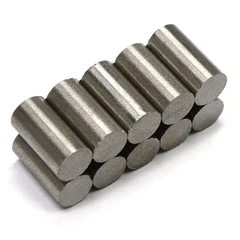
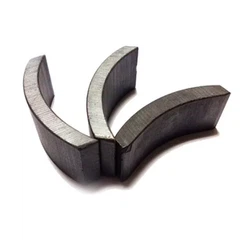
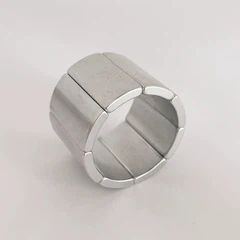



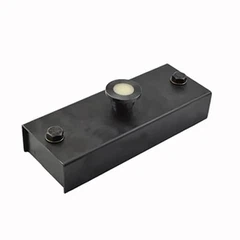
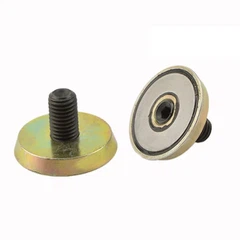
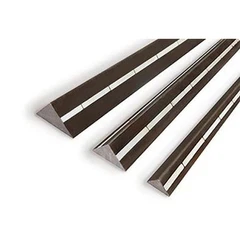
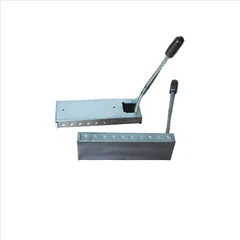
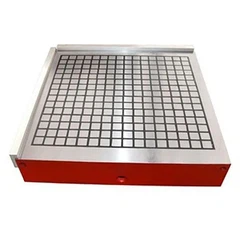
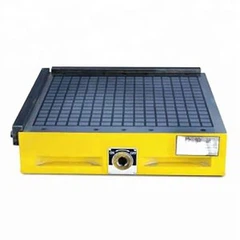


Magnetic switches are small but powerful tools that let you control metal objects with ease. If yours isn't working properly, you might notice things slipping, clamps not holding, or the switch feeling stiff or unresponsive. Knowing how to tell if a magnetic switch is bad can save you time, prevent accidents, and keep your projects running smoothly. In this guide, you'll learn the key signs of a failing switch, simple ways to test it, and what steps to take to fix or maintain it so it continues to work reliably.
Common Causes a Magnetic Switch Can Stop Working
Understanding why a magnetic switch fails can help you prevent problems before they interrupt your work. Most issues come from mechanical stress, environmental factors, or improper use.
Mechanical Wear and Damage
If the switch experiences repeated impacts, drops, or rough handling, the internal components can loosen or break. Even a small crack in the housing or a bent lever can prevent the magnet from turning on or off properly. You'll want to inspect the switch for any visible damage before assuming it's otherwise fine.
Magnetic Decline
Over time, the magnet itself can lose strength. This is especially true if it's exposed to high heat, strong external magnetic fields, or extended heavy use. A weaker magnet may struggle to hold objects or release them fully, which can make the switch seem faulty.
Debris or Blockage
Dust, metal shavings, or other debris can get inside the mechanism. This may cause the knob to stick or reduce the magnetic force. Regular cleaning can prevent small particles from causing big problems.

Improper Use
Using the switch for tasks beyond its intended capacity, such as trying to hold heavier objects than recommended or forcing the switch repeatedly, can accelerate wear and failure. Following the manufacturer's guidelines for load and operation is key to long-term performance.
By knowing these common causes, you can quickly identify whether a problem is due to wear, environmental factors, or misuse, and take the right steps to fix it.
How to Spot If Your Magnetic Switch Is Failing
By paying attention to how the switch behaves, you can spot issues before they turn into bigger problems.
Weak or Inconsistent Magnetic Hold
One of the first signs is that the magnet doesn't hold objects as firmly as it used to. If metal pieces slip or require multiple attempts to stay in place, it may indicate that the internal magnet is losing strength or the mechanism isn't engaging fully.
Difficulty Operating the Switch
If turning or pressing the switch feels stiff, loose, or uneven, the internal parts may be wearing out. A switch that no longer clicks into place or requires extra force to activate is a clear warning that it could fail soon.
Unusual Behavior or Inconsistency
A magnetic switch that works sometimes but not always can be frustrating. This intermittent performance might be caused by debris, slight misalignment, or minor mechanical wear. Pay attention to patterns of failure, such as only occurring under certain angles or loads.
Signs During Regular Use
Listen and feel when the switch engages. A missing "click," a partial response, or a delay in holding or releasing objects are all clues that maintenance or replacement may be needed.
Visible Signs Your Magnetic Switch Might Be Damaged
Sometimes the problems with your magnetic switch are easy to see without any tests.
Cracks or Breaks in the Housing
Inspect the outer casing of the switch. Cracks, chips, or breaks can compromise the internal mechanism and reduce the magnet's effectiveness. Even minor damage can eventually lead to failure if left unchecked.

Loose or Damaged Knob
If the switch's knob feels wobbly, loose, or doesn't rotate smoothly, it could be a sign that the internal parts are worn. A knob that slips or doesn't engage fully may indicate that repair or replacement is needed.
Worn or Misaligned Magnet
Over time, the magnet itself can wear down or shift out of place. You might notice weaker holding power, uneven attraction, or objects slipping when the switch is engaged.
Rust, Dirt, or Debris
External build-up can block the switch mechanism and reduce performance. Visible rust, dust, or metal filings around the switch are warning signs that cleaning and maintenance are required.
How to Test Your Magnetic Switch
Testing your magnetic switch regularly helps ensure it's working properly and prevents surprises during use. These checks are simple and don't require specialized tools.
Test the On/Off Function
Start by turning or pressing the switch to engage the magnet. Place a small metal object against the magnet and see if it holds firmly. Then turn the switch off and check that the object releases smoothly. If it doesn't hold or release consistently, the switch may be worn or misaligned.
Check for Strength and Consistency
Compare the magnet's holding power to a similar, known-good switch if possible. The object should attach quickly and stay in place without slipping. Weak or inconsistent attraction indicates a decline in magnet strength or internal wear.
Observe the Mechanism
While testing, watch how the switch moves. It should rotate or press smoothly without sticking. Any stiffness, unusual clicks, or loose rotation is a sign that the internal parts might be damaged or need cleaning.
Test Under Different Positions
If your magnetic switch can rotate or has multiple positions, test it in all orientations. Sometimes the switch works in one position but fails in another, which can reveal alignment issues or wear.
Other Issues That Can Make Your Magnetic Switch Seem Faulty
Sometimes a magnetic switch might appear to be failing, even when it isn't truly damaged. Understanding these misleading issues can save you unnecessary repairs or replacements.
Surface and Material Issues
If the metal objects you're trying to hold are coated, oily, or unusually smooth, the magnet might struggle to grip. This can make it seem like the switch isn't working, when in reality, it's the material preventing proper contact.
Environmental Factors
Strong vibrations, extreme temperatures, or nearby magnetic fields can affect how your switch behaves. For example, constant shaking might temporarily reduce holding power, and high heat can weaken the magnet's strength.

Installation or Alignment Problems
A switch that is installed incorrectly or slightly misaligned can fail to engage fully. Even a small offset in position can prevent the magnet from holding objects consistently, giving the impression of failure.
User Handling
Sometimes the issue comes from unintentional misuse. Not turning the switch fully, forcing it in the wrong direction, or exceeding the recommended load can create performance problems that mimic a faulty magnet.
When to Repair or Replace a Magnetic Switch
It can be tricky to know whether a magnetic switch needs repair or full replacement. Minor issues, like dirt buildup, a loose knob, or small alignment problems, can often be fixed with simple cleaning or adjustment.
On the other hand, if you notice the magnet is weak, the casing is cracked, or the internal parts are worn or misaligned, it's better to replace the switch. Continuing to use a severely worn or weakened switch can cause objects to slip or the mechanism to fail.
Always consider the safety and reliability of your setup. When in doubt, replacing the switch is usually the safest choice, ensuring consistent performance without risking downtime or accidents.
Tips to Keep Your Magnetic Switch Working Longer
Maintaining your magnetic switch properly can extend its life and keep it performing reliably. A few simple habits go a long way in preventing wear and unexpected failure.
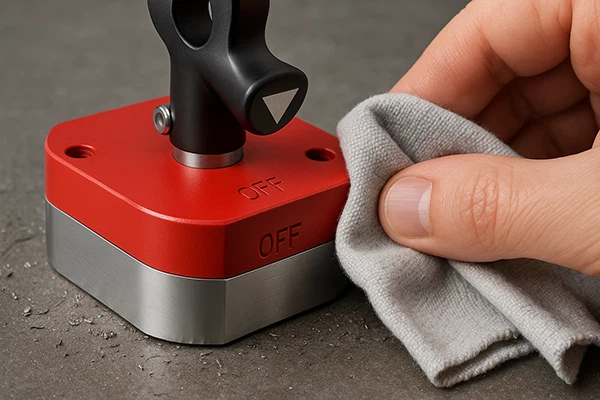
Keep It Clean
Regularly wipe away dust, metal filings, or debris from the switch and magnet surface. Dirt can block the mechanism and reduce holding power, so a clean switch works more consistently.
Avoid Excessive Force
Don't twist, push, or pull the switch harder than necessary. Gentle operation prevents internal parts from wearing prematurely and keeps the knob aligned properly.
Store in a Safe Environment
Keep the switch away from extreme heat, moisture, or strong external magnets. High temperatures and corrosive environments can weaken the magnet or damage the casing.
Follow Load Limits
Only use the switch with objects within the recommended weight or size. Overloading can reduce magnetic strength over time and strain the mechanism.
Inspect Regularly
Make a habit of checking the switch for cracks, loose parts, or weaker magnetic performance. Early detection allows for cleaning, adjustment, or replacement before serious problems occur.
Conclusion
A magnetic switch is a small device, but its reliability affects your daily tasks directly. Spotting subtle signs like uneven movement, weak holding power, or irregular clicks lets you act before the problem worsens. Regular inspections and proper handling aren't just about preventing failure-they help you understand how the switch performs under different loads and conditions. By staying attentive to these practical cues, you can make informed decisions on cleaning, adjustment, or replacement, keeping your equipment precise and safe.
FAQs About Magnetic Switches
Q: Do magnetic switches require lubrication?
A: Most magnetic switches are designed to work without lubrication. Adding oil or grease can attract dirt and debris, which may impair function.
Q: Can I adjust a magnetic switch to hold heavier objects?
A: No. Magnetic switches are designed with a maximum holding capacity. Attempting to exceed this limit can damage the magnet or the mechanism.
Q: Can a magnetic switch operate in cold environments?
A: Most switches work in moderate cold, but extremely low temperatures may make the housing brittle or slightly reduce magnetic performance. Check product specifications for exact limits.
Q: Can a magnetic switch activate multiple objects at once?
A: It depends on the strength and size of the magnet. Some can hold multiple small objects, while others are designed for a single item only.
Q: Can magnetic switches be customized for different applications?
A: Yes. Many manufacturers offer variations in size, shape, and holding strength to suit specific industrial or automation needs.
Q: How do environmental conditions affect magnetic switches?
A: Extreme heat, moisture, or corrosive chemicals can shorten the life of a switch. Proper housing and material selection are important for harsh environments.