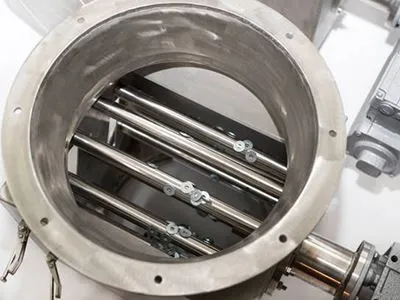
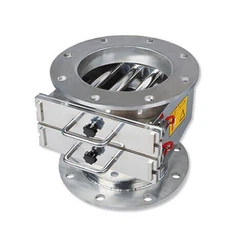
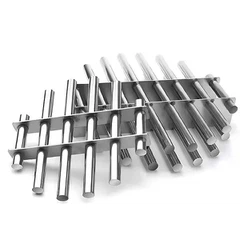
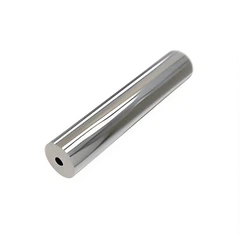
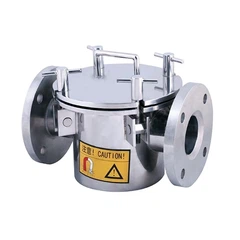
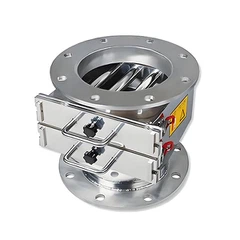










Let's be honest. Your biggest worry in food production is something you can't even see. A tiny piece of metal, smaller than a grain of sand, can slip into your product stream. It might come from a worn machine part or a piece of equipment somewhere upstream. You know the consequences. A single contaminant can trigger a massive product recall, damage your brand's reputation, and most importantly, pose a real risk to the people who use your products.
This is where the magnetic drum comes in. You might be wondering if they are truly suitable for the demanding environment of a food plant. The answer is a clear yes. But it's not as simple as just dropping any magnet into your process line. Using a magnetic drum in the food industry requires specific knowledge.
Think of this guide as a straightforward conversation. We'll walk through how these drums work, where they fit in your facility, and what you need to know to choose one with confidence.
What Are Magnetic Drum and How Do They Work?
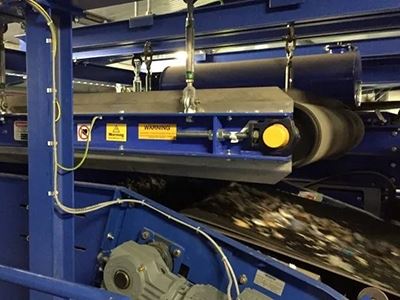
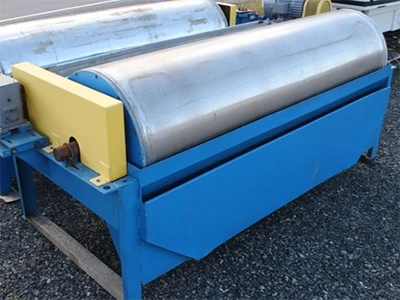
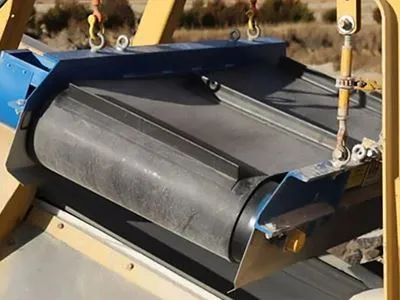
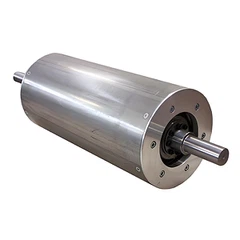
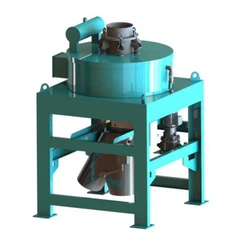
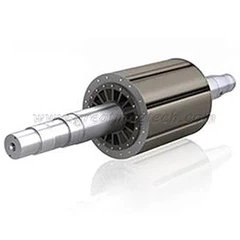
At its heart, a magnetic drum is a simple but powerful tool. Imagine a rotating drum, like a rolling pin, that you install at the end of a conveyor belt or inside a chute where your dry materials flow. This isn't an ordinary roller, though. Inside its stainless-steel shell sits a powerful, stationary magnet that covers about half of the drum's interior.
Here's the clever part: as your product, whether it's flour, grains, or sugar, flows onto the drum, the shell rotates. The non-magnetic materials, your actual product, simply fall off in their natural trajectory. But any ferrous metal-that's anything containing iron-gets stuck. It's pulled by the magnetic force and held tightly against the rotating shell.
The process doesn't stop there. The drum keeps turning, carrying the captured metal fragments. Once they rotate past the powerful magnetic field, the hold is released. The metal pieces simply drop off into a separate collection area, often a segregated bin or chute. The best part? This all happens automatically, without stopping your production line and without any need for manual cleaning. It's a self-cleaning system that works 24/7.
Are Magnetic Drums Suitable for Food Industry Applications?
The short answer is yes, absolutely. But it's not as simple as just picking any magnetic drum. Before looking at the details, it helps to break this topic into smaller parts so you can understand how a magnetic drum fits into a food-grade environment.
Built for Clean and Safe Environments
When you work in the food industry, every piece of equipment must support a clean process. This is why the construction of a magnetic drum matters so much. A drum is considered food-grade only when it's designed for cleanability and safety. It needs to be built from high-quality stainless steel, such as 304 or 316L, and the entire surface must be smooth. All welds should be fully polished so there are no tiny gaps where bacteria can hide. The housing also has to be tightly sealed to handle high-pressure washdowns and cleaning chemicals without breaking down.
Supporting Food Safety Programs
If your facility follows systems like HACCP or FSMA, a magnetic drum can become part of your preventive control plan. By capturing iron particles and metal fragments before they reach mixers, sifters, or packaging equipment, the drum helps reduce contamination risks.
Suitable for Many Types of Ingredients
You can use magnetic drums with a wide range of dry food materials. Ingredients such as grains, flour, starches, spices, and cereal blends move easily across the rotating drum. Because the magnet holds metal without crushing or damaging the product, you keep your ingredients consistent and protect their quality.
Designed for Continuous Production
Most food plants run long hours, and you need equipment that works at the same pace. A magnetic drum removes metal continuously as the line runs, sending collected fragments into a discharge area. This lets you keep production steady without stopping for frequent cleaning or manual checks.
Benefits of Using Magnetic Drums in Food Processing Lines
Installing a magnetic drum in your processing line isn't just about safety-it's about building a smarter, more reliable operation. The advantages touch every part of your business, from protecting your equipment to securing your brand's reputation.

Uninterrupted Protection
The biggest benefit is peace of mind. Unlike manual filters or magnetic plates that need to be stopped and cleaned, a magnetic drum works continuously. It captures and automatically discharges metal contaminants while your line keeps running. This means there are no production pauses for cleaning, and more importantly, no gaps in your metal defense system.
Cost Savings and Efficiency
Think about what a single metal contaminant could cost you. It could damage a delicate grinder or mixer, leading to expensive repairs and downtime. Worse, it could end up in a final product, triggering a devastating recall. A magnetic drum acts as an insurance policy against these catastrophic costs. By preventing these events, it pays for itself while keeping your product flowing smoothly and your customers confident.
Common Applications of Drum Magnets in the Food Industry
You'll find magnetic drums working hard in numerous spots throughout a food processing plant. Their job is always the same: pulling out ferrous metal from dry, free-flowing products.
In Bulk Ingredient Handling
At the start of your process, magnetic drums provide essential protection. They are often installed as the head pulley on a conveyor belt carrying raw grains like wheat, corn, or rice. As these materials flow onto the belt, the drum captures any metal picked up during harvest or transport.
Protecting Final Powders and Granules
For finished and intermediate powders, a magnetic drum is your final guard before packaging. They are ideal for safeguarding products like flour, sugar, starch, and powdered milk. These finely milled materials can hide tiny metal fragments from worn equipment. Placing a drum magnet in the transfer line to your packaging silos or hoppers ensures these contaminants are removed, giving you confidence in your final product's purity.

Processing Spices and Specialty Ingredients
Spices like pepper, paprika, and cinnamon require careful handling to maintain their quality and intense flavor. The grinding and milling processes for these valuable ingredients can generate fine metal dust or tiny fragments. A magnetic drum integrated into this processing line effectively removes these fine ferrous contaminants without impeding the flow of material, ensuring the integrity and safety of your most sensitive ingredients.
Real Case Studies of Magnetic Drums in the Food Industry
You can get a clearer picture of how magnetic drums perform when you look at real results from food plants that use them to solve everyday problems. These examples show how the equipment supports both product quality and line efficiency.
Grain Processing Facility Reduces Metal Contamination
A grain mill handling about 180 tons of wheat per day struggled with rust flakes and small metal fragments. After adding a magnetic drum at the receiving pit, the plant saw a 72% drop in ferrous contamination. Metal removal improved from 3.1 grams per ton to 0.86 grams, helping the mill pass audits with fewer corrective actions and lowering customer complaints.
Solving a Spice Grinder's Maintenance Problem
A spice processor found metal shavings in its grinder system, cutting blade life from 700 hours to 400 hours. By installing a magnetic drum before grinding whole spices, the line captured 150 grams of fine metal in the first 200 hours. This restored the grinder's full 700-hour service interval and reduced maintenance costs by more than 40%.
OEM Project Fits a Drum Magnet Into a Tight Space
An equipment supplier needed a solution for a hopper area with just 650 mm of clearance. A custom drum magnet fit the space and still collected 2.4 kg of metal per week across several lines, achieving 98% space utilization without a system redesign.
Magnetic Drum vs Other Food-Grade Magnetic Separators
Below is a clear, easy-to-read comparison table showing how magnetic drums differ from other common magnetic separators used in food processing.
|
Feature / Factor |
Magnetic Drum |
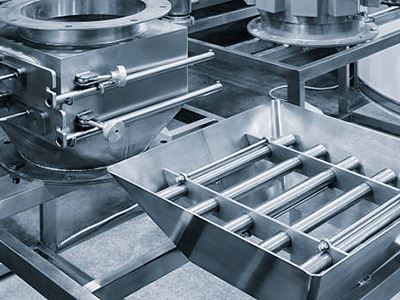
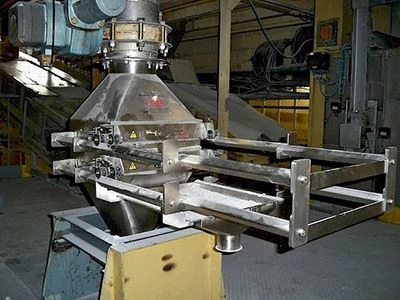
Magnetic Grate (Grid Magnet) |
Plate Magnet |
Liquid Trap Magnet |
|
Best For |
High-volume dry materials (grains, powders) |
Small batches, fine powders |
Chutes, drop zones |
Liquid, slurry, or sauce lines |
|
Material Flow |
Continuous, no stopping |
Interrupted (requires cleaning) |
Free-flowing |
Pumped or gravity-fed liquids |
|
Separation Strength |
Strong and steady |
Very strong for fine ferrous pieces |
Moderate to strong |
Very strong, catches tiny particles |
|
Typical Installation Point |
Receiving areas, transfer points, pre-packaging |
Mixers, feeders, small hoppers |
Conveyor discharge, chutes |
Pipelines and liquid tanks |
|
Cleanability |
Easy; metal discharges automatically |
Manual cleaning needed |
Manual or easy-clean housing |
CIP-friendly designs available |
|
Maintenance Needs |
Low |
Higher due to frequent cleanings |
Low |
Moderate, depending onthe product |
|
Handling of Large Volumes |
Excellent |
Poor |
Fair |
Not suitable (for dry bulk) |
|
Handling of Fine Powders |
Good |
Very good |
Fair |
Not applicable |
|
Risk of Product Damage |
Low |
Low |
Low |
Low |
|
Space Requirement |
Medium |
Low |
Low |
Medium |
|
Automation Level |
High (continuous separation) |
Low |
Low to medium |
Medium |
|
Best Advantage |
Continuous separation with high throughput |
Strong capture of fine metal |
Simple installation |
Strong removal in wet systems |
|
Primary Limitation |
Needs more space than other types |
Frequent cleaning interruptions |
Less efficient with high volumes |
For liquids only, not dry material |
Potential Risks & Challenges When Using Magnetic Drums in Food Processing
When you use a magnetic drum in a food plant, it's helpful to understand the challenges that may come with it so you can manage them before they affect your process. One common issue is placing the drum in the wrong location. If the product doesn't flow evenly across the magnetic zone, some metal may pass through without being captured. You also need to make sure the drum's magnetic strength is checked regularly. Over time, wear or buildup can reduce its effectiveness, and this can impact your HACCP or audit requirements.
Another challenge involves sanitation. If the drum housing isn't sealed properly or the surface isn't smooth enough, food dust can hide in small gaps and make cleaning more difficult. This is why food-grade drums require polished welds and tight sealing. You should also watch for situations where oily, sticky, or moist ingredients are used, since these materials may cling to the drum's surface and slow down the separation process.
How to Choose the Right Magnetic Drum for Food Industry Use
Choosing the right magnetic drum is easier when you focus on the factors that matter most. The first thing to check is the construction. A food-grade drum should be made from 304 or 316L stainless steel with a smooth, polished surface so cleaning is simple and bacteria have nowhere to hide.
Next, think about your product. A few questions help you narrow it down:
Is your material a fine powder or a heavier grain?
How much product moves through the line each hour?
Does the product spread in a thin, even layer across the drum?
The type of magnet inside also plays a role. Rare-earth magnets offer stronger separation for fine particles, while ferrite magnets work for larger volumes and basic applications.
Finally, make sure the drum can handle your cleaning routine. A sealed housing and a high IP rating, such as IP69K, ensure it can withstand washdowns without damage.
Installation & Maintenance Tips for Food-Grade Drum Magnets
Getting the best performance from your drum magnet depends on two things: putting it in the right spot and taking care of it. Proper placement is crucial for it to work correctly.
Getting the Placement Right
Install the drum where your material is in a single, even layer. The best spot is usually where the product falls freely onto a conveyor or transfers between two points. This "waterfall" effect exposes all the material to the magnet, giving it the best chance to capture contaminants. Make sure the product flows directly over the center of the drum for maximum contact.
Simple Steps for Longevity
Your maintenance routine is straightforward but important. After the shutdown, do a quick visual check for any damage to the drum surface. During washdown, ensure the collection area is cleared of all captured metal. Finally, test its strength periodically by seeing if it can firmly hold a small metal object, like a stainless steel bolt. This quick check confirms the magnet is still working as it should.
Conclusion
A food-grade magnetic drum gives you a reliable way to keep metal out of your products, protect your equipment, and maintain a smooth, efficient line. When the drum is built with polished stainless steel and a sealed, sanitary design, it fits naturally into your HACCP program and handles washdowns without trouble. Many plants, from grain processors to spice manufacturers, use this technology to lower contamination risks and avoid costly downtime.
If you're looking for a trusted partner, Great Magtech offers durable, food-safe magnetic drums designed for real production needs. Explore your options at greatmagtech.com and strengthen your line with confidence.