







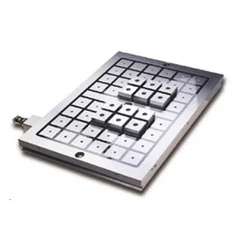


Have you ever struggled with magnets that are always "on," sticking to everything in sight? Instead of constantly attracting metal objects, you can control their magnetic force with a simple twist or lever. This makes it safer and more convenient to use in workshops, factories, or metalworking projects. In this guide, you'll learn how magnets work, why they're useful, and where they can make your work easier and more efficient.
What Is a Switchable Magnet?
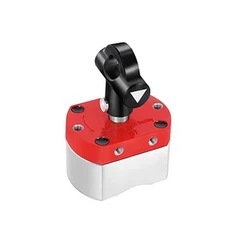
An on-off magnet is a type of permanent magnet that lets you control its magnetic force. Unlike regular magnets that are always attracting metal, on-and-off magnets can be turned on or off using a simple lever, knob, or sliding mechanism. This makes it easy to hold, position, or release metal objects exactly when you need to.
Material and Magnetic Performance
Before understanding how a switchable magnet works in your projects, it's important to know what it's made of and how its material affects performance. The right materials determine both strength and reliability.
Common Materials Used
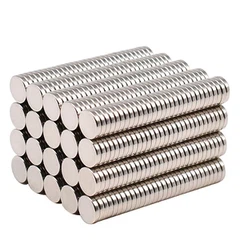
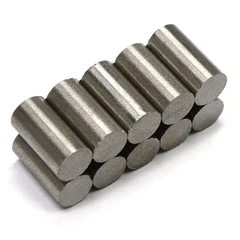
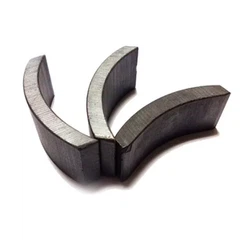
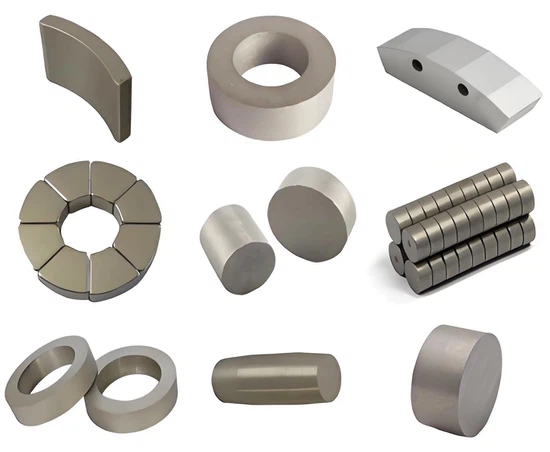
Most magnets with an off switch are made from permanent magnet materials like neodymium (NdFeB), aluminum-nickel-cobalt (AlNiCo), or ferrite magnets. Each material has its own strengths. Neodymium magnets are very strong and compact, making them ideal if you need a high holding force in a small space. AlNiCo magnets are more temperature-resistant, while ferrite magnets are durable and cost-effective for general applications.
How Material Affects Performance
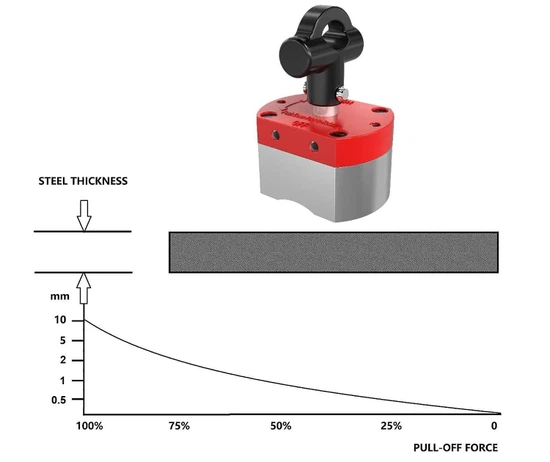
The material of a switchable magnet directly affects how much metal it can hold and how reliable the magnetic force is. Stronger materials create higher magnetic flux, which translates into better grip on steel surfaces. You'll notice that magnets made from high-quality neodymium often provide consistent performance even in demanding industrial settings.
Considerations for Your Work
When choosing a switchable magnet, think about the type of metal you'll be working with and the environment. Some materials lose strength at high temperatures, while others are more resistant to corrosion. By understanding the magnet's material and performance, you can select the right one to make your tasks safer and more efficient.
Internal Structure and Magnetic Principle
To truly understand a turn-off magnet, it is helpful to examine its inner workings and see how it controls magnetic force. The internal design allows you to turn the magnet on or off while maintaining its strength and reliability.
Main Components of a Switchable Magnet
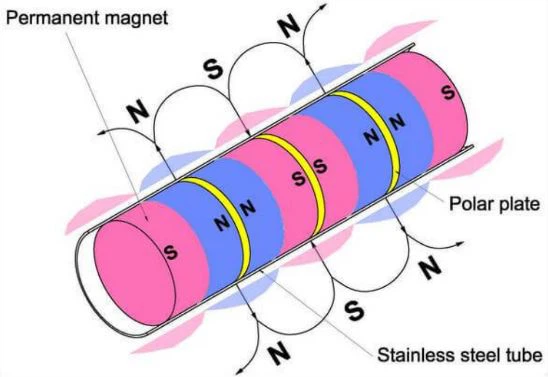
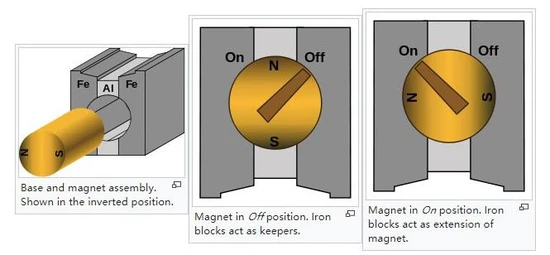
Inside most permanent magnet on-off switches, you'll find a permanent magnet core, rotor or sliding mechanism, and metallic poles or plates. The permanent magnet generates the magnetic field, while the rotor or slider allows you to redirect the magnetic flux. The poles guide the field to the working surface when the magnet is "on" and divert it internally when it's "off."
How the Magnetic Principle Works
The core idea is the magnetic circuit. In the "off" position, the magnetic field loops back inside the magnet, so it doesn't attract external metal. When you move the lever or rotate the slider, the magnetic flux is directed toward the magnet's surface, turning it "on" and allowing it to hold metal objects. This clever design allows you to control a permanent magnet without requiring electricity.
How the On/Off Switching Works
Now that you know the internal structure and magnetic principle, let's go through the process step by step so you can see how simple movements manage strong magnetic forces.

Step 1: Starting in the "Off" Position
When the magnet is off, the magnetic flux is redirected internally, so the field doesn't reach the surface. This means the magnet won't attract any metal, making it safe to handle or reposition without sticking to nearby objects.
Step 2: Activating the Magnet
To turn it on, you typically rotate a lever, twist a knob, or slide a mechanism. This changes the alignment of the magnetic core or rotor, redirecting the magnetic flux toward the working surface. At this point, the magnet starts to attract metal, holding it firmly in place.
Step 3: Using the Magnet
With the magnet on, you can hold, lift, or position metal parts precisely. The strength of the magnet depends on its size, material, and design, so always ensure it's suitable for the object you're working with.
Step 4: Turning the Magnet Off
To release the metal, return the lever, knob, or slider to its original position. This redirects the magnetic flux back inside the magnet, effectively turning it off. The metal part is no longer held, allowing you to remove it safely and continue your work.
Key Advantages of Switchable Magnets
Switchable magnets offer several benefits that make them a practical choice for your work. Understanding these advantages can help you decide where and how to use them.
Precise Control
One of the biggest benefits is being able to turn the magnetic force on or off. This lets you hold metal parts securely when needed and release them quickly without struggle. You can handle tasks with more precision and less risk of accidents.
Safety and Efficiency
Because you can switch the magnet off, handling heavy or sharp metal objects becomes safer. You can reposition items quickly without tools or extra effort, which reduces time and minimizes mistakes in your work.
Energy-Free Operation
Most switchable magnets rely on permanent magnetism rather than electricity. This means you get strong holding power without consuming energy or worrying about power failures. It's cost-effective and reliable for workshops, factories, and industrial setups.
Switch Magnets Common Industrial Applications
Switchable magnets are versatile tools used in many industrial settings.
Metalworking and Fabrication
In workshops and factories, switchable magnets are often used to hold, lift, or position metal sheets and components. By turning the magnet on and off, you can easily secure parts for cutting, welding, or assembly without needing clamps or additional tools.

Machinery and Automation
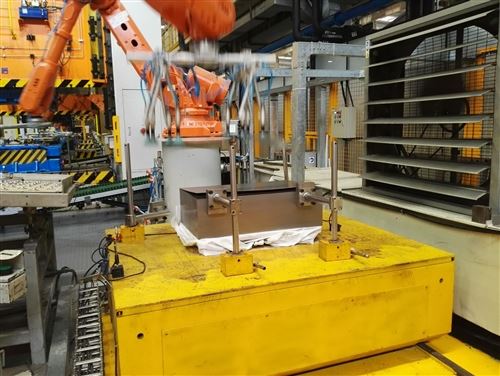
Switchable magnets are widely used in robotic arms, conveyors, and assembly lines. They allow machines to pick up and release metal parts precisely, increasing efficiency and reducing manual labor. You can control the magnet remotely or integrate it into automated systems for smooth operation.
Lifting and Material Handling
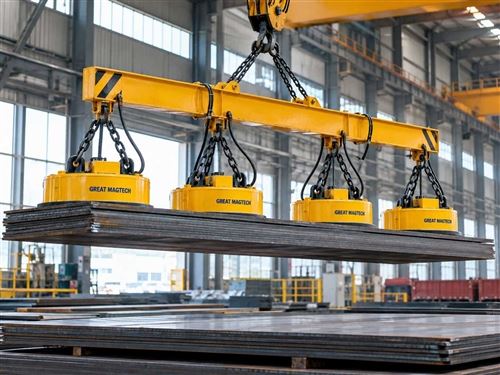
For lifting heavy metal objects, switchable magnets provide a safe and controlled solution. You can attach and release loads quickly without risk, making them ideal for handling steel plates, tools, or other metal equipment.
Welding and Fixture Support
In welding applications, these magnets can act as temporary fixtures, holding metal pieces at specific angles while you weld. This improves accuracy and allows you to work faster while keeping your hands free.
Safety and Maintenance Tips
Using switchable magnets safely and keeping them in good condition ensures they last longer and perform reliably. Here are some tips to help you get the most out of your magnets.
Handling Safely
Always handle off magnets with care. Even when off, they may still have residual magnetic force. Keep metal objects, electronics, and credit cards at a safe distance to prevent damage. Wearing gloves can help protect your hands when handling heavy or sharp metal parts.
Proper Operation
Turn the magnet on and off smoothly using the lever, slider, or knob. Avoid forcing the mechanism, as this can damage the internal rotor or magnetic core. Make sure the surface you're attaching the magnet to is clean and flat for maximum holding strength.
Regular Maintenance
Check your permanent magnet on-off switch regularly for signs of wear, rust, or debris. Clean the surfaces with a soft cloth and keep moving parts lubricated if recommended by the manufacturer. Store magnets away from strong magnetic fields and extreme temperatures to maintain their strength.
Comparison of Switch Magnets vs Electromagnets
Here's a clear comparison to help you understand the key differences between switchable magnets and electromagnets:
|
Feature |
Switchable Magnet |
Electromagnet |
|
Power Source |
Uses permanent magnetism; no electricity required |
Requires continuous electrical power to generate a magnetic force |
|
Control |
Turn on/off using a lever, slider, or knob |
Controlled by switching electricity on/off |
|
Holding Strength |
Consistent, strong holding for metal objects |
Can be very strong, but depends on the current and coil size |
|
Energy Efficiency |
No energy consumption while holding |
Uses energy continuously while active |
|
Safety |
Safer to handle; no risk from power failure |
It can be risky if power is lost while holding a load |
|
Applications |
Metalworking, lifting, positioning, welding, automation |
Lifting heavy steel, cranes, industrial machinery, and magnetic separation |
|
Maintenance |
Minimal; occasional cleaning and lubrication |
Requires maintenance of coils, wiring, and power supply |
|
Portability |
Often compact and easy to move |
Usually larger and needs a power connection |
|
Cost |
Moderate; long-lasting |
Can be higher due to power and infrastructure requirements |
This table makes it easy for you to choose the right magnet based on your needs, whether you value energy efficiency, portability, or extreme lifting strength.
FAQs
Q: How precise is the on/off control?
A: The on/off mechanism is designed for accurate control, allowing you to hold or release metal objects smoothly. High-quality models provide consistent performance with minimal effort.
Q: Can on-off magnets be customized?
A: Yes, many manufacturers offer custom sizes, shapes, and holding capacities to meet specific industrial or workshop needs.
Q: Are switchable magnets affected by temperature?
A: Extreme temperatures can impact performance. Some materials, like AlNiCo, handle higher heat better, while others may lose partial magnetism if exposed to very high temperatures for long periods.
Q: Can I use switchable magnets in automated machinery?
A: Yes, many switchable magnets are designed to integrate into robotic arms or assembly lines, offering controlled holding and releasing without manual intervention.
Q: Can multiple switchable magnets be used together?
A: Absolutely. You can combine several magnets to hold larger or irregularly shaped metal parts, distributing the force evenly for better stability.
Conclusion
On and off magnets give you the flexibility of a permanent magnet with the convenience of turning the magnetic force on and off. They are safe, energy-efficient, and versatile, making them ideal for metalworking, lifting, positioning, and industrial automation. By understanding their materials, internal structure, and operation, you can choose the right type for your tasks and use it effectively. Whether you need precision, strength, or portability, a switchable magnet can make your work easier and safer. If you have specific needs, contact us to discuss customized solutions for your projects.
Types of Best-Selling Switchable Magnets

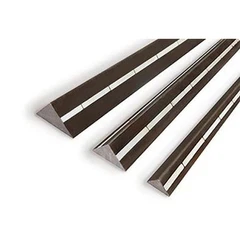
Switch Magnets
Send Inquiry Now

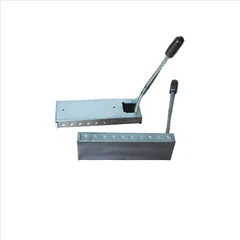
Switch Magnet On Off
Send Inquiry Now

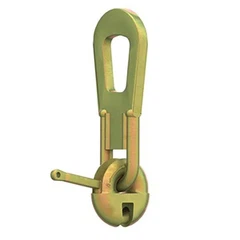
Switchable Magnetic Base
Send Inquiry Now

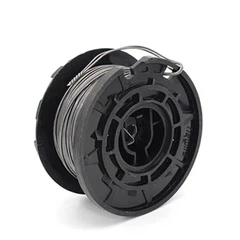
Welding Magnets On Off
Send Inquiry Now