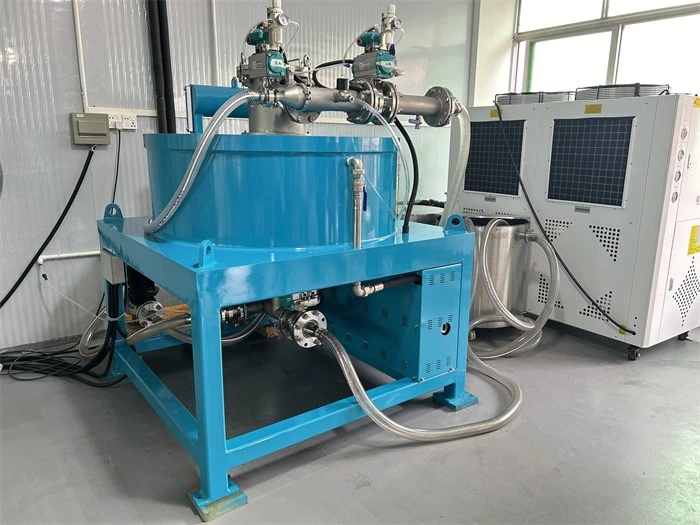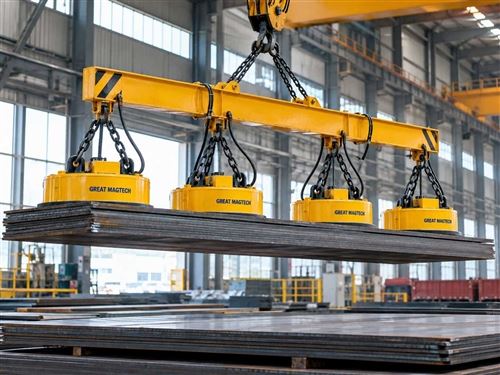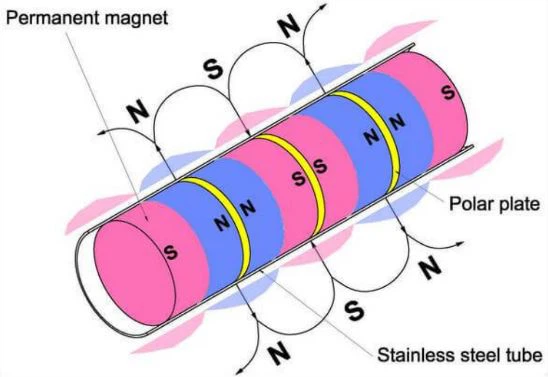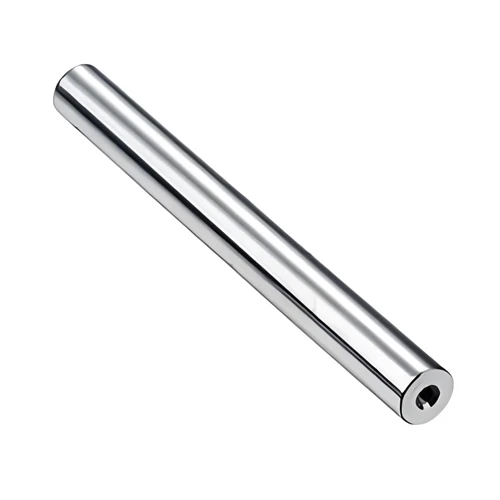
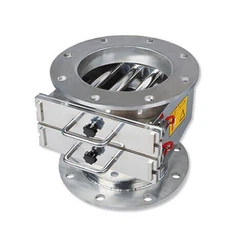
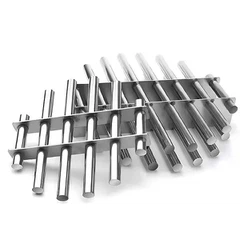
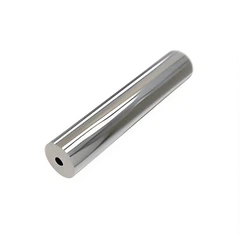
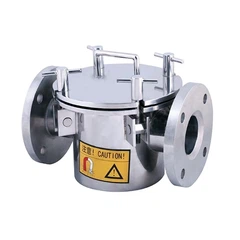
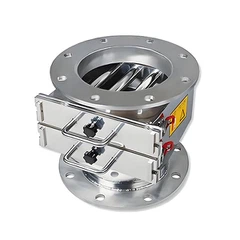
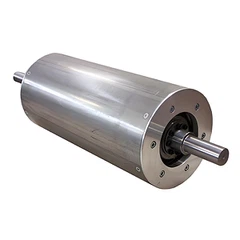
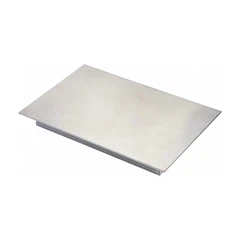
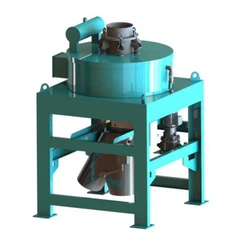

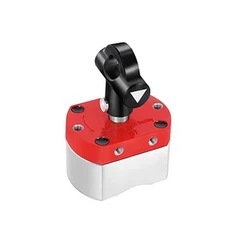





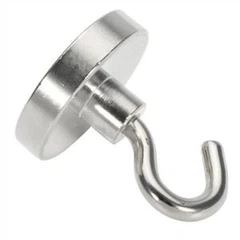
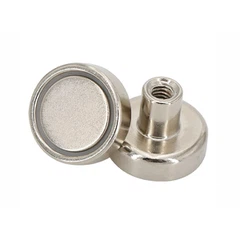
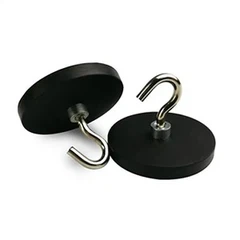
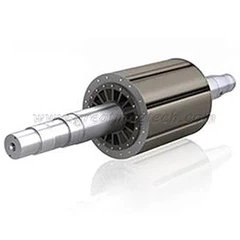


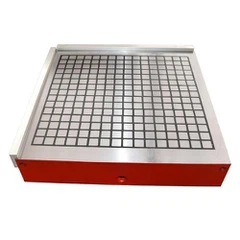
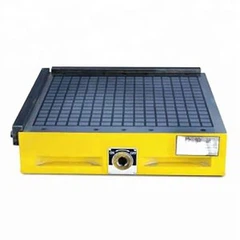
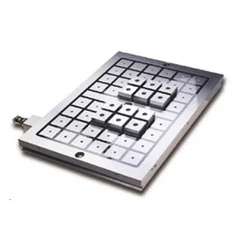


In the world of hopper magnets, the size and type of product you choose can significantly impact its efficiency and performance in industrial processes. Let's dive into the details of determining the appropriate size and type of hopper magnet for your specific application.

1. Understand the size requirements:
When it comes to hopper magnets, size is one of the most important factors. The size of the magnet is a key factor in its ability to effectively capture ferrous contaminants. Here's how to determine the correct size:
Material Processing Considerations: Evaluate the properties of the material you are processing. Different materials may require different size magnets to ensure optimal performance. For example, fine powders may require smaller but stronger magnets.
Flow Analysis: Consider the flow of material through a hopper or chute. Higher flow rates may require larger magnets to accommodate the increased volume and maintain efficiency.
Magnet coverage: Make sure the magnet is large enough to cover the entire cross-section of the material flow. This ensures that all particles are in contact with the magnetic field, leaving no room for contaminants to escape.
2. Choose the correct type:
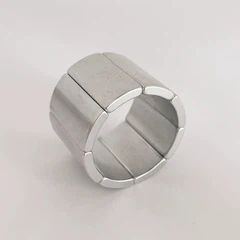
In addition to size, the type of magnet you choose is equally important. There are many types of magnets, rare earth magnets, ceramic magnets, etc., among which rare earth magnets are the most popular choice.
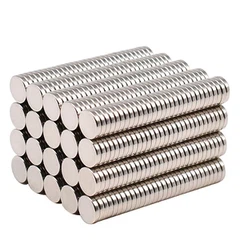
Rare Earth Magnets: These magnets, including neodymium and samarium cobalt, are known for their exceptional strength. Consider using rare earth magnets when working with fine particles or materials with lower iron content. They provide high magnetic field strength in a compact size.
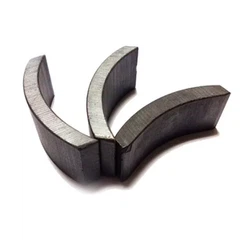
Ceramic Magnets: While not as powerful as rare earth magnets, ceramics are durable and cost-effective. They are suitable for applications with larger, rougher materials and provide a reliable magnetic field.
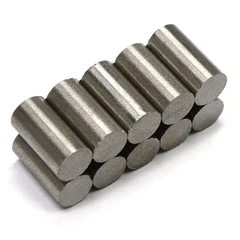
Alnico Magnets: Alnico magnets have good temperature stability and are corrosion-resistant. They are suitable for applications where exposure to high temperatures is a consideration.
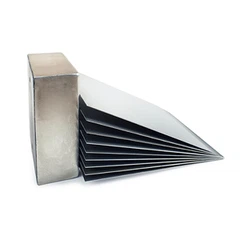
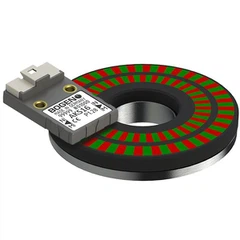
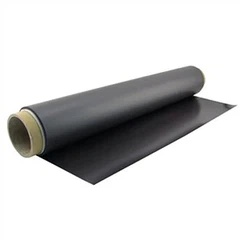
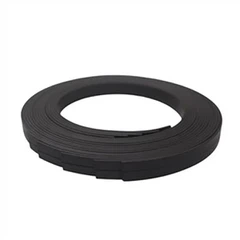
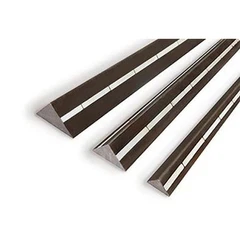
Flexible magnetic strips: When space is limited, consider using flexible magnetic strips. They are versatile and can be easily customized to suit specific configurations.
3. Customize for best performance:
In some cases, customization may be required to customize the hopper magnet to your unique requirements. This may involve adjusting the size or strength of the magnet to suit specific materials or operating conditions. GME has professional designers. If you need to customize the hopper magnet you want, click contact us to contact us.

4. Regular evaluation and adjustment:
Finally, it is important to regularly evaluate the performance of your hopper magnet. Factors such as changes in material composition or flow rates may require adjustments to ensure continued optimal performance.
5. Conduct material testing:
Before finalizing the size and type of hopper magnet, conduct material testing. Analyze a sample of the material you will be processing to determine its iron content and particle size distribution. Testing ensures that the hopper magnet selected will effectively capture contaminants without impeding the flow of material.
6. Integrate with existing systems:
Consider how hopper magnets will fit into your existing handling system. Installation should be seamless with minimal disruption to workflow. Make sure the size and type of magnet you choose are appropriate for your current setup to optimize space and efficiency.
7. Environmental factors:
Evaluate the environmental conditions in which the hopper magnet operates. Factors such as temperature, humidity, and the presence of corrosive substances can affect the performance and life of magnets. Choose a magnet that is resistant to these environmental factors to maximize continued effectiveness.
8. Cost-benefit analysis:
Conduct a thorough cost-benefit analysis while considering the size and type of hopper magnet. Consider not only the initial purchase cost, but also long-term maintenance, energy consumption, and potential productivity gains. This holistic approach ensures your investments align with your budget and operational goals.
9. Safety precautions:
Make sure the magnet you choose complies with safety regulations and does not pose a risk to the operator or the overall workplace environment. Safety features such as easy maintenance and safe installation should be part of your choice.
10. Seek expert guidance:
If complex size and type selection becomes challenging, seek expert guidance. Consult the manufacturer or industry expert who can provide insights tailored to your specific application. Their expertise can help you make informed decisions and avoid potential pitfalls. GME specializes in providing high-quality magnetic products. If necessary, we can customize the best option for you. Contact us for the latest consultation.
In summary, selecting the correct size and type of hopper magnet requires a thorough understanding of your materials, processing requirements, and environmental conditions. By carefully considering these factors, conducting material testing, integrating with existing systems, and prioritizing safety, you can be confident in selecting a hopper magnet that not only meets but exceeds your expectations for improving the efficiency of your industrial processes.