














Electromagnetic separators are required in many industrial establishments, including mining, recycling, and ceramics. Understanding the working principles of electromagnetic separators is a must when giving directions for maximum effective use in any application. This paper touches on the basic working principles of electromagnetic separators, the components that characterize their design, the operating types, and various factors that affect their operation.
Introduction of Electromagnetic Separators
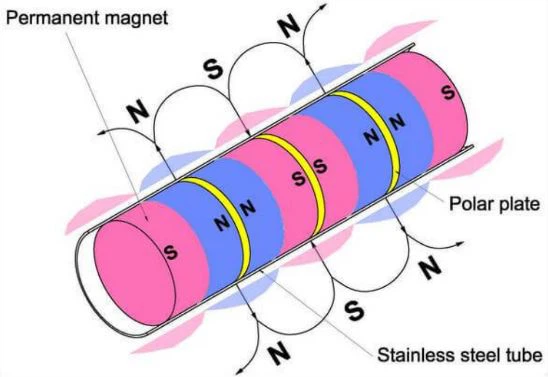
Electromagnetic separation is based on the basic principle of applying a magnetic field that can attract other materials through a mixture and have the ability to separate them. In contrast, permanent magnet separation works by using fixed magnetic fields.
For instance, electromagnetic separators work because they produce magnetic fields established by an electric current. As a derivative, very good control is attained over the strength and length of a magnetic field. This renders magnetic separators versatile and very efficient in a host of applications in various industries.
Basic Principles of Electromagnetic Separation
The fundamental principle behind electromagnetic separators is generating a magnetic field that can attract ferromagnetic materials. When an electric current is applied to the wire coil, a magnetic field is produced, and the more electric current is passed, the more magnetic field is generated. This magnetic field varies directly with the number of turns in the wire coil.
The produced magnetic field will naturally tend to attract all the ferromagnetic materials near the magnetic field generating zone, thus pulling it away from the remaining portion of the material in the mixture. This is carried out to separate simply because such ferromagnetic substances get affected by the magnetic field generated, while the non-magnetic substances flow past unaltered.
Constituents of Electromagnetic Separators
Electromagnetic separators encompass a set of parts that are all related and contributory to significant functions in the procedure of separation:
Electromagnet: The magnetic field is an application-based core component. The winding usually takes place on a ferromagnetic core. When a coil flows an electric current, it produces a magnetic field within the core.
Power Supply: Provides an electric current to meet the needs of the electromagnet. The power supply can be controlled to control the strength of the magnetic field.
Belt Conveyor or Drum: This is the surface where a mixture of materials is placed. This component conveys the materials within the magnetic field produced by the electromagnet.
Control System: These regulate the sequence of operations between the separator, the amperage passing through the electromagnet, and the speed of the belt conveyor or drum.
Ejection Devices: These assume the gathered ferromagnetic materials should be relayed in a region that should be different from the nonmagnetic ones .
Various Kinds of Electromagnetic Separators
Suspended separators may perform electromagnetic separation. The following are some of the most common types:
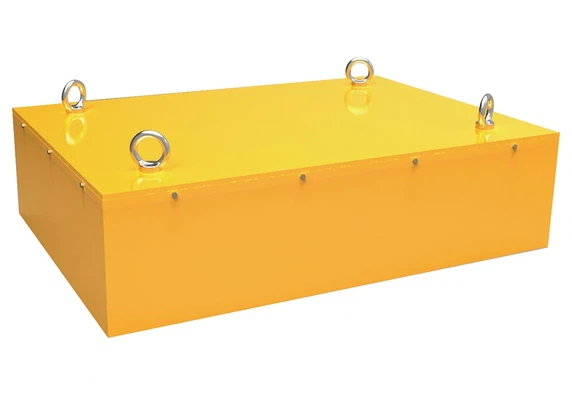
Suspended Electromagnetic Separators: These are normally suspended above a conveyor belt. These separators generate a magnetic field that attracts ferromagnetic materials from off the belt, thus raising the non-magnetic material.
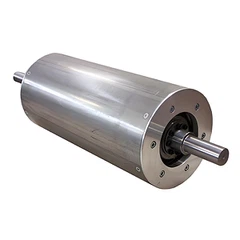
Electromagnetic Drum Separators: In such a case, the magnetic field generated exists inside a rotating drum. The drum revolves with the flow, and the ferromagnetic material sticks to the surface of the drum, while the non-magnetic materials drop off.
Electromagnetic Overband Separators: Similar to the suspended type, but in this case, the overland magnets have a conveyor belt that moves the trapped ferromagnetic material away from the stream.
Electromagnetic pulley separators: An electromagnetic pulley separates the material instead of a head pulley in conveyor lines. The pulley contains an electromagnet group that generates a magnetic field and either attracts ferromagnetic material from the material flow or repels it from the material flow, hence separating it from the rest of the non-magnetic.
Each type of separator has advantages, and selection is made according to the respective application requirements concerning the size of the material under processing, the specified capacity of the material required to be processed, and the nature of separation.
Working Principle of Electromagnetic Separators
The working principle of electromagnetic separators can be as effective as described below:
Feeding of Material
The mixture of materials requiring separation is fed onto a conveyor belt or drum, which includes materials such as ore, scrap metal, or other mixtures that contain ferromagnetic particles.
Generation of Magnetic Field
The electromagnet and power supply generate a magnetic field. At this point, the current strength and distribution of the presented magnetic field can be easily varied by controlling the current flow within the electromagnet and also modifying the design of the electromagnet, such as the number of coil turns or the material at the core.
As the mixture passes, the magnetic field attracts the ferromagnetic particles to a magnetic source. Depending on the nature of the separator, these particles are "stuck" to the conveyor belt, lifted off by the drum, or taken out by an overland conveyor.
Off-loads of Separated Materials
The materials are then separated into different locations of usual destinations through a secondary conveyor belt or probably a chute. The non-magnetic materials will, therefore, proceed on the initial path and will be discharged separately.
Operation at All Times
Electromagnetic separators are designed to work continuously; hence, separation occurs continuously. This is very important in any industrial application since the volume of the material handled is generally large and has to be disposed of efficiently.
Design considerations of electromagnetic separators
The design of an electromagnetic separator is a way of its proper operation. There are many reasons for opting for an electromagnetic separator:
The level of the magnetic field
The level of the magnetic field is among the main and probably the most critical design factors. It should be adequately high to cause attraction and holding of the ferromagnetic particles and low enough not to interfere with non-magnetic materials or excessively wear out the components of the separator.
Magnetic Field Gradient
During separation, the gradient of the magnetic field is also crucial in determining how powerful a magnetic field is over a given distance or the change in the magnetic field intensity along a length. A higher gradient and consequent separation improvement thus realize a stronger attraction force to small particles.
Electromagnet Design
The number of turns on the electromagnet, the type of material used for the core, and the layout of the coil will all dictate the magnetic field produced. For example, using a ferromagnetic core may focus on the magnetic field and increase its intensity.

Speeds of Conveyor
Adjusting the surface or drum speed is necessary concerning the targeted application. If the speed is excessively high, the ferromagnetic particles do not get the proper time to become attracted by the magnetic intensity. If the speed is low, then the separator does not process the material quickly enough to meet the production requirements.
Material Properties
Therefore, it is necessary to consider the properties of the material being separated: particle size, shape, and magnetic susceptibility. They are sensitive to different materials regarding the magnetic field of one kind or another, and thus, the design of the separator has to correspond to or be aligned with these specific properties of the material.
Operating Environment
The performance of an electromagnetic separator can also be affected by its operating environment, which may include temperature, humidity, or the presence of other magnetic or electrical equipment that must be factored in during its design and installation.
Applications of Electromagnetic Separators
The industry is abuzz with discussions of employing electromagnetic separators to separate valuable ferromagnetic minerals from ores. A good example is the use of electromagnetic separators in processing iron ores to extract iron-bearing minerals from the gangue.
Food Processing Industry: In this industry, electromagnetic separators are used to remove any form of metal impurity from food products for the sake of purity and safety measures.
Ceramics: Used in the ceramics industry for removing iron contamination from raw materials, such as clay and quartz, which affect the finish of their final products.
Chemical Industry: In the production of various types of chemicals, these devices can be used to remove impurities of ferromagnetics in the chemicals concerned.
Advantages of Electromagnetic Separators
The advantages that electromagnetic separators have over the others are as follows:
Adjustable Magnetic Field Strength: The magnetic field strength can be properly adjusted so that it can be more fitting and optimal for the separation process.
High Efficiency: They are highly efficient in handling large amounts of product with minimal losses in valuable ferromagnetic particles.
Versatile: This equipment can be used for wide materials and applications, making it one of the versatile choices for many industries.
Continuous Operation: These electromagnetic-based separators have been designed for continuous service and work ideally to the conditions in an industrial process where a continuous material flow is necessary.
Low Maintenance: The equipment is included within the best alternatives since there is a considered small number of types of equipment subject to movement, which infers there to be minimal wearing-out and consequently little upkeep. Electromagnetic-based separators thus require low maintenance, hence low downtime to be experienced and cheap.
Challenges and Limitations of Electromagnetic Separators
However, electromagnetic separators are related to the following limitations and disadvantages:
High Energy Usage: The electromagnetic separators must be energized with electrical current throughout to keep the field generated. In this sense, compared to the permanent magnetic separators, a lot of energy might be consumed.
Heat Generation: The electrical current that makes the magnetic field can be a notable producer of heat. There may be the need for additional cooling devices to protect the equipment from being overheated.
Complexity: This may lead to the designing and operation of complex control systems that are required for regulating the magnetic field and other operating parameters on the separator.
Cost: In general, electromagnetic separators are more expensive to purchase and operate than their permanent magnet or gravity-based system counterparts.
Innovations and Future Trends in Electromagnetic Separation
Technologically advanced, some of the innovations and trends evident include:
Advanced Control Systems: Modern electromagnetic separators are now being equipped with tendency control systems using sensors to the maximum possible extent, which assist one in the optimal process of separation in real-time, ensuring effectiveness and efficiency. This will improve the efficiency and lower energy use.
Hybrid Separators: Some manufacturers are working on hybrid separators that offer the benefits of electromagnetism and permanent magnets by combining their respective technologies. Such hybrid separators can provide for high magnetic field strength, while considerably reducing energy consumption.
Automation and AI Integration: Gradually, automation and AI are integrated into electromagnetic separation systems. Artificial intelligence can automatically analyze material characteristics and adjust a separator's operations for optimum performance.
Environmentally Friendly Designs: Research and development are increasingly being skewed toward more eco-friendly separators, consuming less energy and now calling for minimum use of hazardous materials.
Miniaturization: For special uses, such as in medical or research facilities, electromagnetic separators are miniaturized to process minute material volumes with high precision.
Advantages of Using Great Magtech Electric Co., Ltd. Electromagnetic Separator Machinery
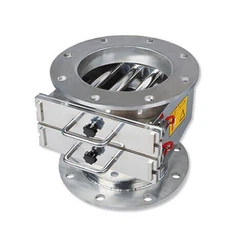
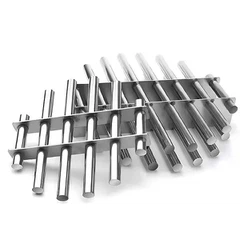
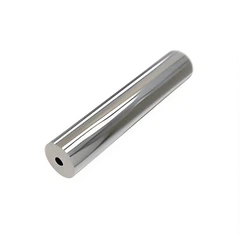
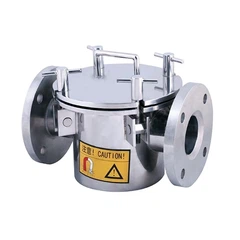
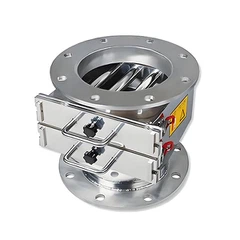
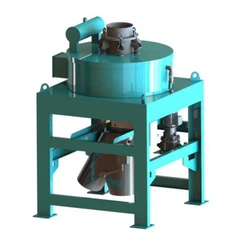
To better describe the electromagnetic separator equipment, Great Magtech Electric Co., Ltd. is one of the leading solutions for obtaining the best results in terms of the separation of ferromagnetic materials. Key advantages of using the electromagnetic separators of Great Magtech Electric Co., Ltd. include class II Div II & UL-rated configuration, advanced processing capacity, and new features in the design.
Div II Rated/Class II Configuration
These separators are constructed to ensure safe operation even in the presence of combustible dust atmospheres. Hence, they can be utilized with the confidence needed in the food processing and pharmaceutical industries. The separators' UL certification means that the equipment is engineered to be effective and constructed soundly, adhering to Attachment 1.
Optimized for Wet or Dry Material Processing
The separators are highly efficient in handling both wet and dry materials and are characterized by a high magnetic field strength of up to 19,500 Gauss. Such versatility ensures effective separation regarding the level of moisture, making the equipment applicable in varied industrial processes.
Effective Iron Separation for Fine Particles
The CG separator can separate small, minor iron particles of 0.01 mm size through its superb ability to concentrate magnetic flux on the axial center of the unit to raise flux density perfectly without leaking. It promises very high precision: even tiny iron contaminants can be removed, which is key for product quality in industries as varied as mining and ceramics.
Vibration-Enhanced Flow Rate
Besides, a vibration-integrated system with a filter ensures the release and cleaning of all the entrapped ferromagnetic particles. This guarantees proper flow rates for materials without clogging the material at the process point and zero downtime, thus increasing productivity at the end of the day.
No Magnetic Leakage for Maximum Efficiency
Through its perfect design, it eliminates magnetic leakage, and therefore, all the generated magnetic energy ensures maximum energy employed in the separation process. This increases efficiency and reduces energy use, making the operation more economical.
Wide Range of Products to Suit Different Needs
Great Magtech Electric Co., Ltd. offers several models suitable for different industry needs, such as the CG and CGX. This will facilitate the client's acquisition of the best separator model that meets their specifications and requirements in mining, recycling, and chemicals.
Conclusion
Electromagnetic separation is one of the tools that finally enabled the industry to go ahead and disentangle materials such as ferromagnetic materials from a significant volume of non-magnetic substances. However, understanding such working principles involving, for example, the generation of the magnetic field, the design of an electromagnet, and the process of separation is the key to having the best practice in any application. With many gains, for example, the strength of their magnetic fields being adjustable, their small size, high efficiency, and decent versatility, they are nevertheless accompanied by the following challenges based on energy consumption and heat generation.