









Metal contamination is a common issue in food processing, plastic recycling, powder handling, mining, and other production lines. When metal appears in the material flow, many buyers start with the same question: Should you use a magnetic separator or a metal detector?
Both devices are used for metal contamination control, but they do different jobs. A magnetic separator is used to capture and remove certain metals from the material. A metal detector is used to find metal contamination and trigger an alarm or rejection step.
This article explains the difference between a magnetic separator and a metal detector, so you can compare them more clearly.
Key Takeaways
A magnetic separator removes ferrous metal from powders, granules, liquids, or bulk materials. A metal detector detects metal contamination, but it does not remove the metal by itself. Magnetic separators are mainly used when iron or steel is the main problem. Metal detectors are more suitable when you need to find non-ferrous metal, stainless steel, or metal in finished products. These two devices are not always replacements for each other. In some production lines, both are used at different stages.
What Is a Magnetic Separator?
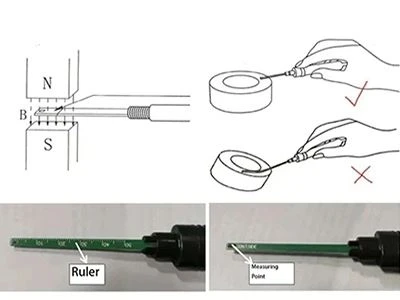
A magnetic separator is equipment that uses magnetic force to capture and remove ferrous metal from a material flow. It is used with materials such as powders, granules, liquids, and bulk solids.
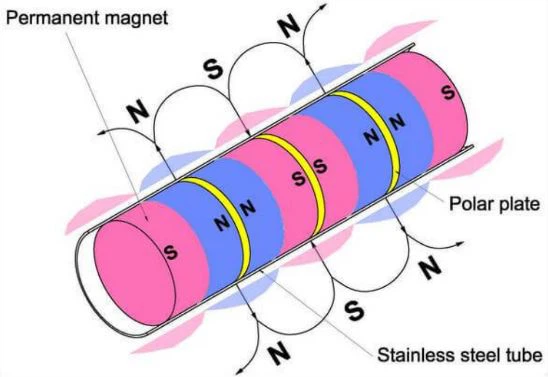
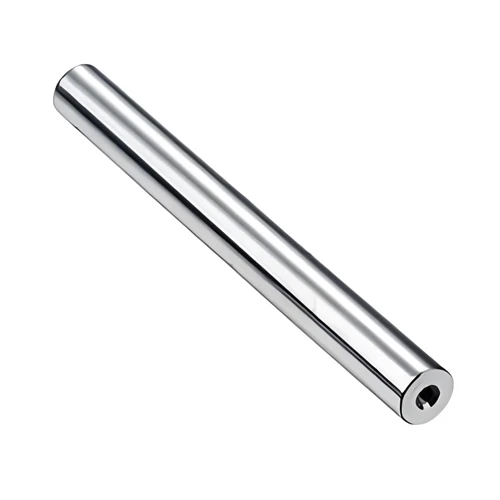
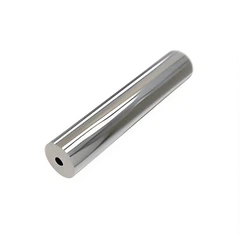
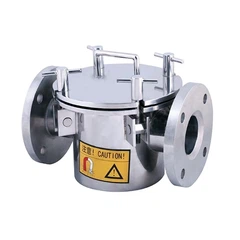
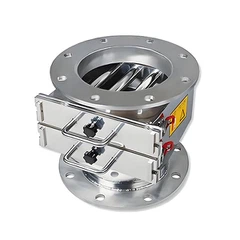
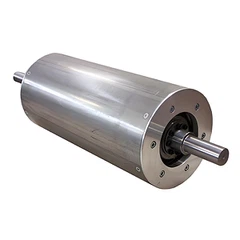
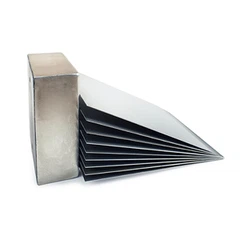
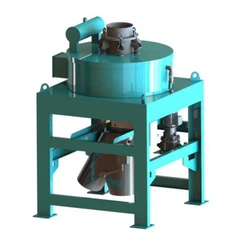
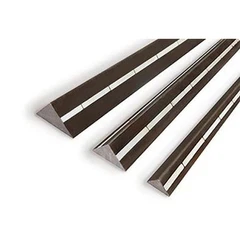
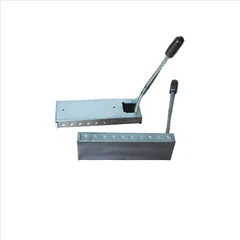
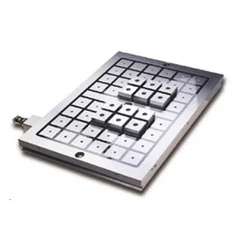
The captured metal is usually iron, steel, or other magnetic particles. Common magnetic separation equipment includes magnetic bars, drawer magnets, drum magnets, plate magnets, grate magnets, and magnetic liquid traps. The right structure depends on how the material moves through the system.
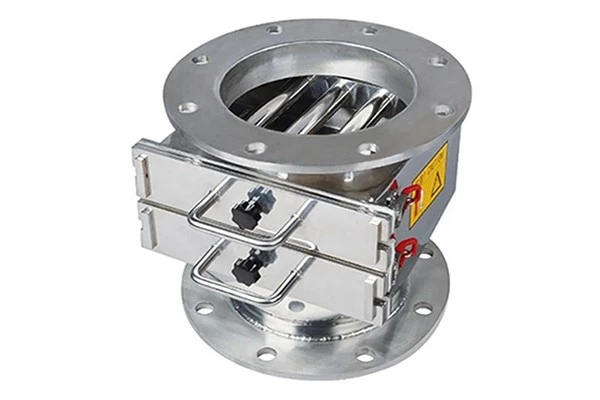
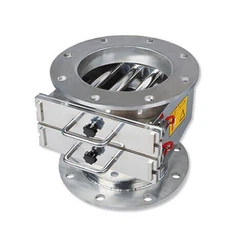
Drawer Magnet
Send Inquiry Now
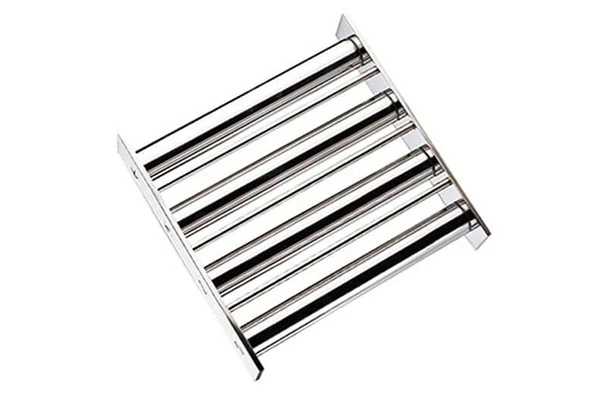
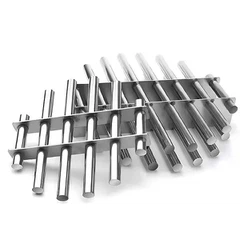
Magnetic Grill
Send Inquiry Now
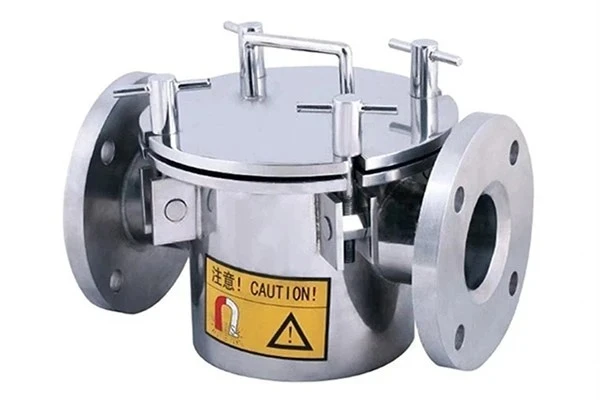
Magnetic Liquid Trap
Send Inquiry Now
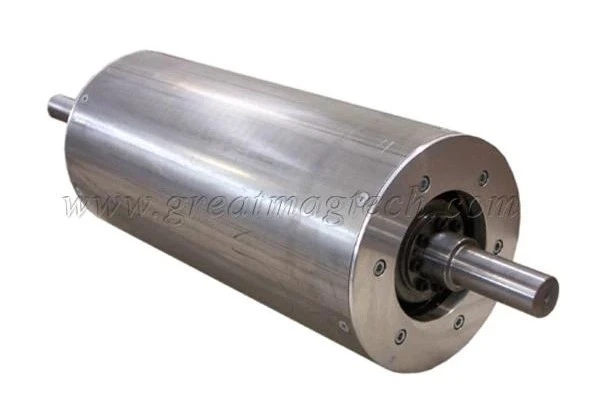
Magnetic Pulley
Send Inquiry Now
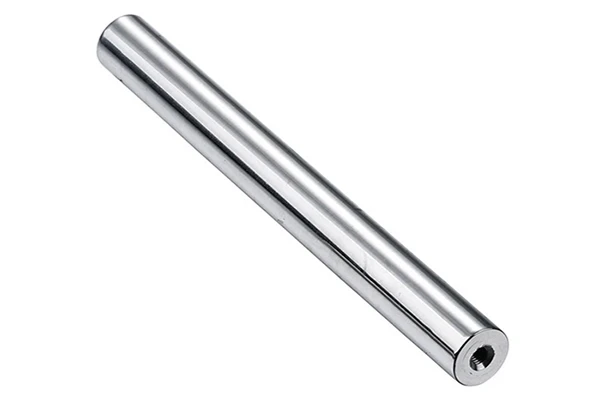
Magnetic Rod
Send Inquiry Now
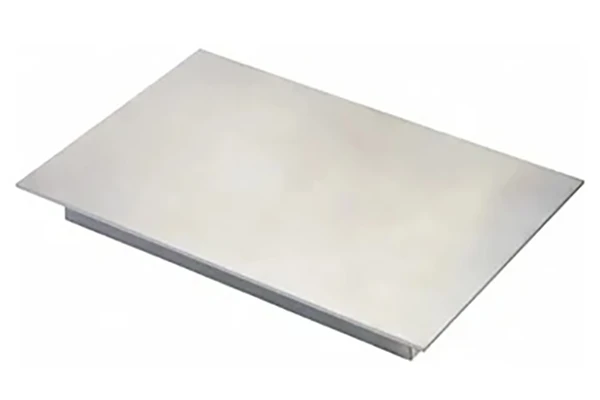
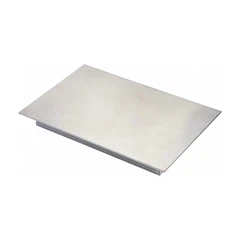
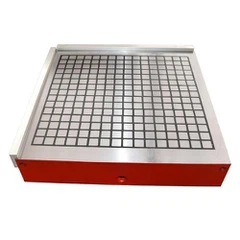
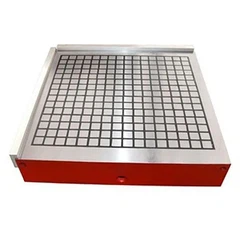
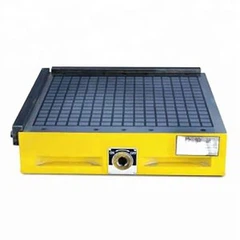
Plate Magnets
Send Inquiry Now
What Is a Metal Detector?
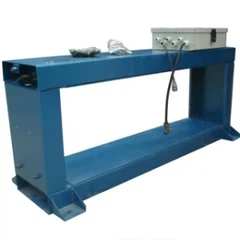
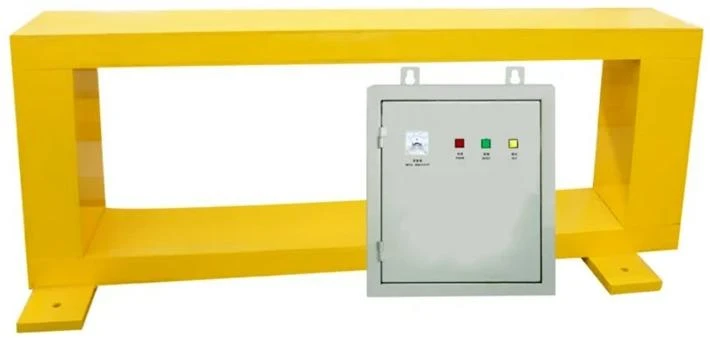
A metal detector is equipment used to find metal contamination in raw materials, semi-finished materials, or finished products. It works through an electronic detection field. When metal passes through the sensing area, the system sends a signal.
In many production lines, a metal detector is connected with an alarm, stop function, or rejection device. It can be used to detect ferrous metal, non-ferrous metal, and some types of stainless steel, depending on the product and detector settings.
What Types of Metal Can They Detect or Remove?
Metal type is one of the main differences between a magnetic separator and a metal detector. Some metals are easy to capture with magnetic force. Others can only be detected or need another separation method.
Ferrous Metal
Ferrous metal includes iron and steel. These metals are magnetic, so a magnetic separator can capture and remove them from powders, granules, liquids, or bulk materials. A metal detector can also detect ferrous metal.
Non-Ferrous Metal
Non-ferrous metals include aluminum, copper, brass, and similar metals. Standard magnetic separators cannot attract these metals. A metal detector can be used to detect them in the material or finished product. If the goal is to separate larger non-ferrous metals from bulk materials, an eddy current separator may also be considered.
Stainless Steel
Stainless steel is more complex. Some grades are weakly magnetic, while others are not. The result depends on the stainless steel type, shape, size, and whether it has been cut or worn.
Fine Metal Particles
Fine metal particles are harder to handle than larger pieces. For magnetic separation, contact distance and material flow matter. For metal detection, particle size and sensitivity settings affect the result.
Magnetic Separator vs Metal Detector Comparison
| Comparison Item | Magnetic Separator | Metal Detector |
|---|---|---|
| Main Function | Removes magnetic metal from the material flow | Detects metal contamination in materials or finished products |
| Metal Type | Mainly captures ferrous metals, such as iron and steel | Detects ferrous, non-ferrous, and many stainless steel contaminants |
| Removal Ability | Captures and removes magnetic metal automatically | Detects metal only; removal requires a reject system or manual action |
| Common Position | Installed at raw material intake, hoppers, chutes, conveyors, or before processing equipment | Commonly installed before packaging, after processing, or at the final inspection stage |
| Best Use | Removing ferrous contaminants from powders, granules, liquids, and bulk materials | Detecting metal contamination in finished products or where different metal types may be present |
| Limitations | Cannot remove most non-ferrous metals, such as aluminum or copper | Detection performance may be affected by product moisture, temperature, conductivity, and sensitivity settings |
| Typical Industries | Food processing, plastics, chemicals, recycling, mining, ceramics, and bulk material handling | Food processing, packaging, pharmaceuticals, plastics, consumer goods, and quality inspection |
When to Use a Magnetic Separator
A magnetic separator is suitable when the main task is to remove magnetic metal from the material flow, not just find it.
Ferrous Metal Is the Main Contamination
Use a magnetic separator when the main contaminants are iron, steel, rust particles, nails, screws, wire, or other magnetic metal pieces. These materials can be captured by magnetic force.
Metal Needs to Be Removed Before Processing
A magnetic separator is often used before machines such as crushers, grinders, mills, mixers, or extruders. At this point, the goal is to remove metal before it moves further into the process.
Material Can Contact the Magnetic Surface
Magnetic separation works better when the material passes close to the magnetic surface. Thin material layers, steady flow, and suitable contact distance all matter. If the material bed is too thick, buried metal may be harder to capture.
When to Use a Metal Detector
A metal detector is used when the main task is to find metal contamination, especially when the metal cannot be removed by magnetic force.
Final Product Inspection Is Required
Use a metal detector when you need to check finished products, packed products, or final material before discharge. It is often placed near the end of the line.
Non-Ferrous Metal May Be Present
A metal detector is also used when aluminum, copper, brass, or weakly magnetic stainless steel may appear in the product. These metals are not removed by standard magnetic separators.
Rejection or Alarm Control Is Needed
Metal detectors can work with an alarm, stop signal, reject flap, or reject bin. When metal is detected, the system can mark or separate the affected product for further checking.
When to Use Both a Magnetic Separator and a Metal Detector
Some production lines use both machines because they do different jobs. A magnetic separator can remove ferrous metal earlier in the process. A metal detector can check for remaining metal, non-ferrous metal, or stainless steel later.
A common layout may look like this:
Raw material → magnetic separator → processing equipment → metal detector → final product
This setup is often used when the material source is mixed, the product has higher inspection requirements, or the line handles both magnetic and non-magnetic metal risks. The exact position still depends on the material flow and process design.
Where to Install Them in a Production Line
The installation position depends on where metal may enter the process and what type of check you need.
Raw Material Stage
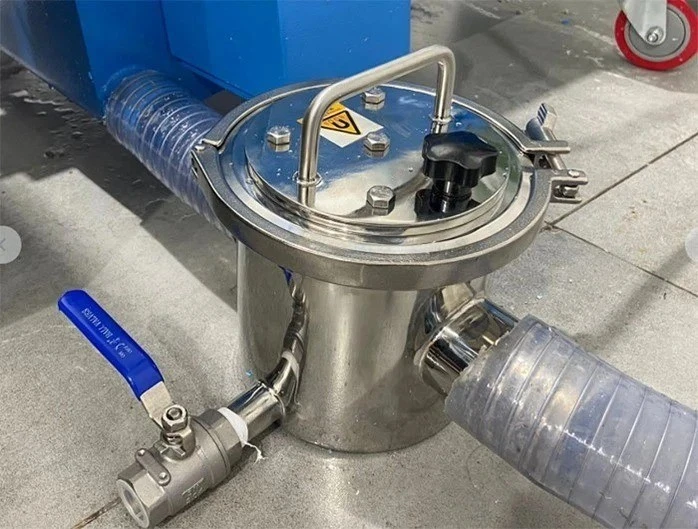
At the raw material stage, magnetic separators are often placed near intake points, conveyors, hoppers, or chutes. This position is used when incoming materials may carry iron or steel pieces.
Before Processing Equipment
Before crushers, grinders, mixers, mills, or extruders, magnetic separation can be used to remove ferrous metal from the material flow before it enters the machine.
After Screening or Size Reduction
After screening, grinding, or crushing, metal may become smaller and mix with the processed material. This position can be used as a middle checkpoint.
Transfer Points and Enclosed Lines
Transfer points, discharge points, pipelines, and enclosed conveying lines can also hold magnetic separators or metal detection systems, depending on the material form.
Before Packaging or Final Discharge
Before packaging or final discharge, a metal detector is often used to check finished or near-finished products.
Industry Application Examples
Magnetic separators and metal detectors are used in many production lines, but the reason for using them is not always the same.
Food Processing
In food processing, metal may appear in flour, sugar, grains, spices, sauces, or finished packaged products. A magnetic separator may be used in raw material or powder handling areas, while a metal detector is often used near the final product stage.
Plastic Recycling
In plastic recycling, screws, wire, blades, or small iron pieces may enter with mixed plastic waste, flakes, regrind, or pellets. Some lines use magnetic separation before shredding or extrusion, and metal detection after processing.
Powder and Bulk Material Handling
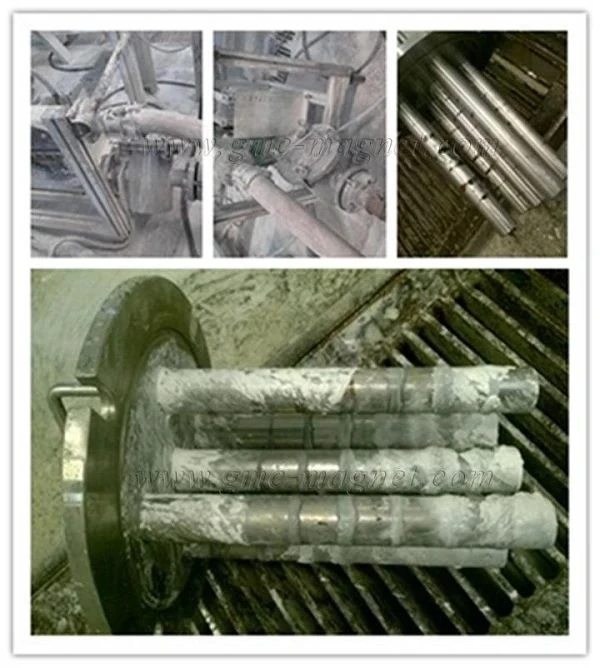
For chemical powders, minerals, additives, and bulk solids, metal contamination may come from screens, mixers, conveying equipment, or storage systems. Equipment choice depends on the material form and flow path.
Recycling and Mining
In recycling and mining, metal contamination is often mixed with crushed materials, ore, scrap, or conveyor-fed bulk materials. These lines may need metal removal, metal detection, or both at different points.
What to Check Before Choosing Equipment
Before choosing a magnetic separator or metal detector, check the real working conditions of your line. This helps avoid a mismatch between the equipment and the material.
Start with the material itself. Is it powder, granules, liquid, slurry, bulk solid, or a finished product? Then confirm the likely metal type, such as iron, steel, aluminum, copper, brass, or stainless steel.
You should also check particle size, flow rate, material depth, moisture level, dust level, and working temperature. These details affect equipment structure and detection or separation results.
Installation details matter too. Check the available space, inlet and outlet size, conveying direction, cleaning access, and whether you need an alarm, stop signal, or rejection system.
If you are replacing old equipment, drawings or photos of the current line can make selection easier.
Conclusion
A magnetic separator and a metal detector are used for different parts of metal contamination control. A magnetic separator removes ferrous metal from the material flow. A metal detector finds metal contamination and usually works with an alarm or rejection system.
The right choice depends on your metal type, material form, process stage, and inspection purpose. In some lines, one device is enough. In others, both may be used at different points.
Great Magtech provides magnetic separators for powders, granules, liquids, bulk materials, and recycling lines. Custom size, magnetic strength, inlet and outlet design, and cleaning structure can be adjusted based on your working conditions.
You can share your material and process details with Great Magtech for equipment suggestions.
FAQ
Q: Can a metal detector remove metal from the product?
A: No. A metal detector only finds metal contamination. Removal usually requires a reject device, a stop function, or a manual check.
Q: Can a magnetic separator detect non-magnetic metal?
A: No. Standard magnetic separators do not detect metal. They only attract and capture magnetic metals.
Q: Which equipment is easier to clean?
A: It depends on the structure. Drawer magnets, grate magnets, and liquid traps may have manual-clean or easy-clean designs. Metal detectors usually need less product-contact cleaning.
Q: Is stronger magnetism always better?
A: No. The magnet must match the material flow, metal size, contact distance, and cleaning method.
Q: Do magnetic separators and metal detectors need the same maintenance?
A: No. Magnetic separators need regular cleaning of captured metal. Metal detectors need sensitivity checks, test pieces, and setting confirmation.
Q: Can a metal detector be used before a magnetic separator?
A: Yes, but it is less common. In many lines, magnetic separation is placed first if ferrous metal is expected in the raw material.
Q: Can both machines be connected to an automatic line?
A: Yes. Magnetic separators can be built into chutes, hoppers, or conveyors. Metal detectors can connect with alarms, reject systems, or line controls.
Q: What causes poor results after installation?
A: Common causes include wrong position, thick material flow, poor cleaning access, high speed, unsuitable sensitivity settings, or choosing equipment without testing real material.