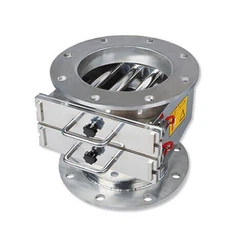
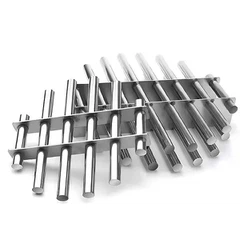
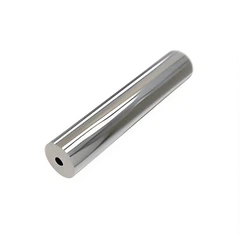
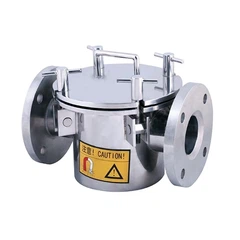
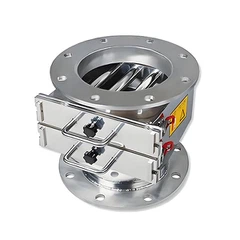
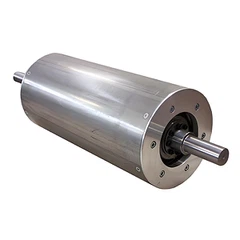
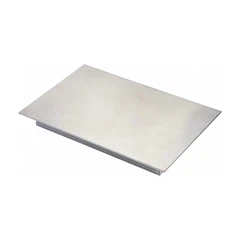
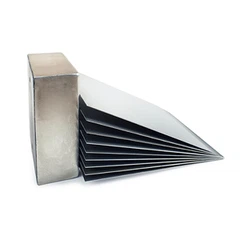
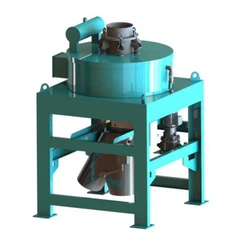

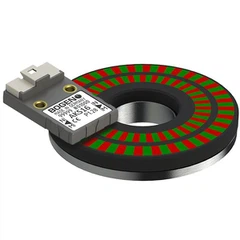
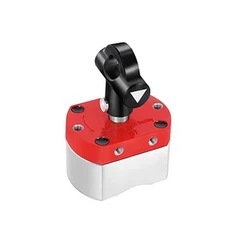

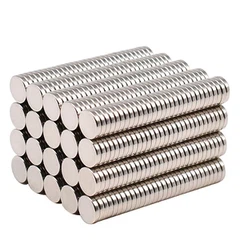
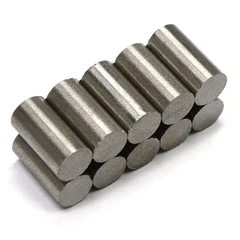
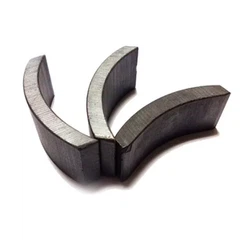
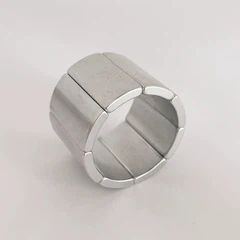

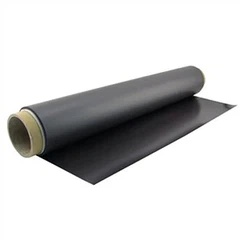
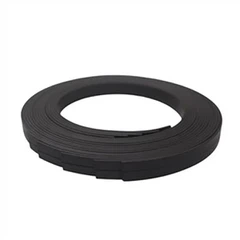

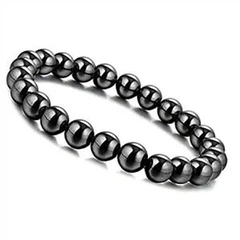


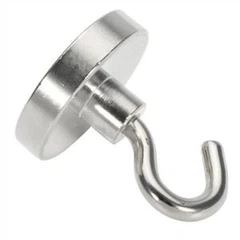
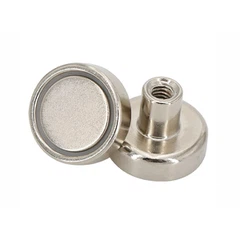
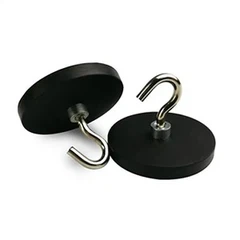
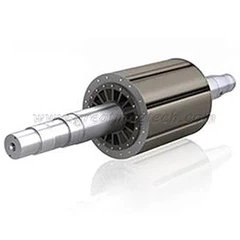


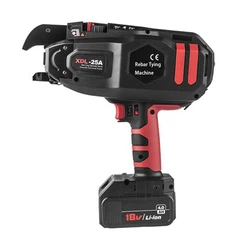
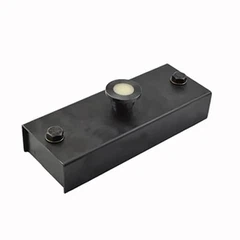
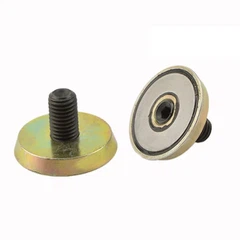
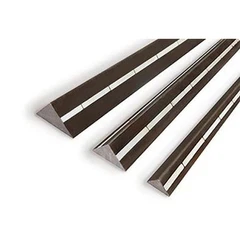
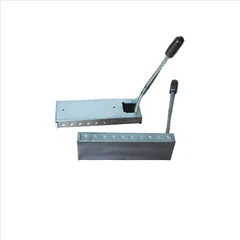


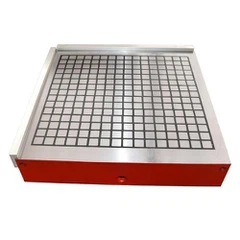
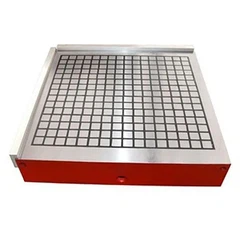
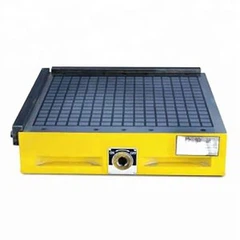
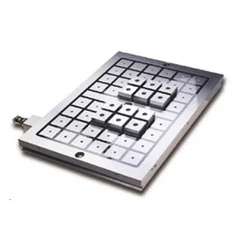


NdFeB magnet materials have high energy products, high coercivity, and good stability, and are suitable for the manufacture of miniature and efficient permanent magnet devices. NdFeB permanent magnet material is composed of rare earth metal neodymium 32%, metallic element iron 64%, and non-metallic element boron 1%.
The third-generation rare earth permanent magnet NdFeB is the most powerful permanent magnet in contemporary magnets. Its BHmax value is 5-12 times that of ferrite magnets and 3-10 times that of AlNiCo magnets; its coercivity is equivalent to 5-10 times that of ferrite magnets and 5-10 times that of AlNiCo magnets. 15 times, its potential magnetic performance is extremely high, and it can absorb heavy objects equivalent to 640 times its own weight.
Advantage
NdFeB magnet materials have high energy products, high coercivity, and good stability, and are suitable for the manufacture of miniature and efficient permanent magnet devices. It is widely used in motors, electroacoustics, magnetic suction, magnetic therapy, etc.
Maximum performance is relative to size. Ideal for tight spaces and compact applications.
Can be used in low-temperature conditions (liquid nitrogen, etc.).
Standard NdFeB magnets have a maximum output of 80°C (176°F). Higher Hci versions are available in ratings of 100 (212F), 120 (248F), 150 (302F), 180 (356F), 200 (392F) and 220/230°C (428/446F).
High coercivity (Hci) resists demagnetization.
Disadvantages
Because the material contains a lot of neodymium and iron, it is easy to rust and it is also a major weakness. Therefore, NdFeB magnets must be surface coated. Can be electroplated with nickel (Ni), zinc (Zn), gold (Au), chromium (Cr), epoxy resin (Epoxy), etc.
The disadvantage of NdFeB magnets is that their temperature performance is not good, the magnetic loss is large when used at high temperatures, and the maximum working temperature is low. Generally, it is about 80 degrees Celsius, and the maximum working temperature of magnets that have undergone special treatment can reach 200 degrees Celsius.
It is harmless to the human body if it is in contact with the magnet all year-round. But pay attention to a few points when using it: first, when the magnetism is strong, be careful not to get your hands caught; second, to prevent working beyond its working temperature, each brand is different; third, the NdFeB material is brittle and fragile, so pay attention when using it Anti-drop.