








Two magnetic rods can look almost identical, yet one keeps your product clean, and the other lets fine iron slip through. You've probably seen this on a line before. The difference is often inside the tube: neodymium (NdFeB) vs ferrite.
A neodymium magnetic bar usually pulls harder and holds tiny metal dust more reliably. A ferrite rod can still make sense in hotter, rougher conditions, but it may miss the small stuff that causes rejects.
In this guide, you'll learn what really changes when you switch magnet type, so you can choose with confidence:
Magnetic strength and real capture results.
Temperature limits and demagnetization risk.
Cleaning time and maintenance habits.
Total cost, not just magnet rod price.
What "Neodymium Bar" and "Ferrite Rod" Actually Mean
Before we get into which one is better, let's be clear about what each one really is. It starts with the material inside.
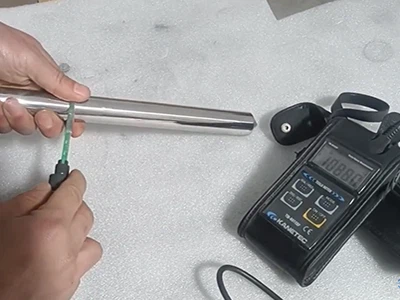
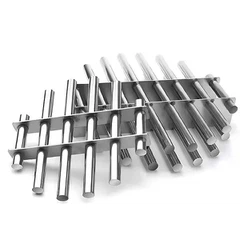
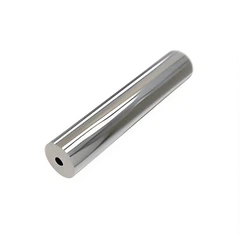
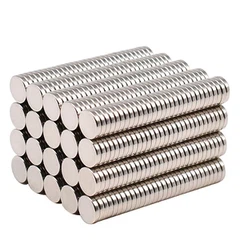
A neodymium magnetic bar. Its core is made from a combination of neodymium, iron, and boron, a type of rare-earth magnet. a stainless steel tube with a neodymium (NdFeB) core inside. From the outside, it looks like any other magnetic rod, but the field it produces is usually much stronger in the same size. That stronger pull helps you catch fine iron dust, small chips, and wear particles that can slip past weaker magnets. Because the core material is brittle and can rust, it's always sealed inside a rugged, polished stainless steel tube for protection.
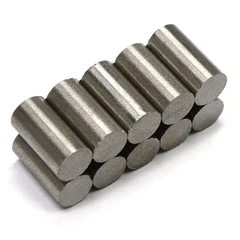
A ferrite magnetic rod also utilizes a stainless steel tube, but the core is made of ferrite (a type of ceramic magnet). Ferrite rods are typically lower in magnetic strength, making them better suited for basic separation tasks where contamination is more prevalent or less frequent. They're often chosen when you want a more cost-controlled option, or when the process environment is tougher, and you prefer a magnet that's less sensitive to heat-related performance loss.
Key Difference #1 - Magnetic Strength: Why Neodymium Bars Pull Harder
The most obvious difference is strength. Put simply, a neodymium bar generates a significantly more powerful magnetic field than a ferrite rod of the same size. In practical terms, a neodymium bar can be five to ten times stronger.
Gauss Isn't the Whole Story
You'll often see specs like a 12000 gauss magnet on a magnetic rod. That number can be useful, but only if you know how it was measured. A strong reading on the surface doesn't always mean the rod performs the same inside your product flow, especially if there's a gap, thick material buildup, or fast movement.

Why Stronger Pull Change the Results
When the field is stronger, you typically get:
Better "first-pass" capture, so less iron keeps circulating.
It can grab much finer particles, think micron-sized iron dust that ferrite might miss.
Stronger holding force, so particles are less likely to wash off and re-enter the line.
Ferrite rods can still remove larger tramp metal, but if your process creates fine contamination, neodymium bars usually give you a bigger safety margin.
Key Difference #2 - Separation Results: Fine-Iron Control and First-Pass Capture
The real test isn't what the magnetic rod looks like. It's what your product looks like after it passes the separator. When you switch from ferrite to a neodymium magnetic bar, the biggest change you notice is fine-iron control, the tiny metal dust that causes specks, scratches, and quality complaints.
What "First-Pass Capture" Means
First-pass capture is simple: iron gets caught the first time it reaches the magnetic bar, instead of traveling further and coming back later. If fine particles slip past on the first pass, they often:
move into valves, pumps, or dies
break down into even smaller fines
spread contamination through the next batches
Where neodymium usually shows a clear advantage
You'll see better separation results when you deal with:
Powders (flour, additives, pigments, chemical powders).
Plastic pellets and regrind (wear dust and tiny chips).
Slurry or liquid lines where fines keep moving with the flow.
Ferrite rods can still stop larger tramp metal. But if your problem is fine iron, neodymium bars typically give you cleaner output and fewer surprises downstream.
Key Difference #3 - Temperature & Harsh Environments: Where Ferrite Has an Edge
To be fair, we need to talk about where ferrite rods still make sense. Neodymium is powerful, but it does have a key vulnerability: heat.
Standard neodymium magnets begin to permanently lose strength if they operate consistently above 80°C (176°F). In very hot processes, this is a real limitation.
This is the ferrite rod's main advantage. Ceramic ferrite material is much more resistant to high temperatures. It can often operate continuously at 150°C (302°F) or higher without significant damage to its magnetic properties.
If your application involves a high-heat environment, like certain drying processes or pre-heating stages, a ferrite rod can be the more reliable and durable choice. It won't offer the same pulling power, but it will perform consistently under thermal stress where a standard neodymium bar would fail.
So, consider your operating temperature first. In extreme heat, ferrite has a clear edge.
Key Difference #4 - Cost vs Value: Why "Cheaper" Can Be More Expensive
It's true. If you just look at the price tag, ferrite rods almost always cost less than neodymium bars. These upfront savings are the main reason many people choose them initially.
But the real question isn't about purchase price. It's about the total cost over time. A cheaper magnet can sometimes lead to more expensive problems.
Think about what happens if a magnet underperforms. Fine iron contamination gets through. This can cause hidden costs you didn't plan for:
Product recalls or downgrades if contamination is found.
Wear and tear on machinery like extruders or pumps.
Unscheduled downtime for cleaning or repairs.
Damage to your brand's reputation for quality.
A eodymium bar has a higher upfront cost because you're investing in a much higher level of protection. You're buying a stronger "safety net" for your entire production line.
In many cases, the value of avoiding just one of these problems can easily cover the price difference. Over the lifespan of the equipment, the neodymium bar often proves to be the more economical choice. You're not just buying a magnet; you're buying insurance for your process.
Key Difference #5 - Cleaning & Maintenance: Stronger Magnets Need Smarter Handling
A stronger magnetic bar doesn't just catch more iron. It also holds it tighter. That's good for separation, but it changes how you clean and maintain your magnetic rod over time.

What You'll Notice in Real Use
With a neodymium magnetic bar, fine metal dust can build up faster, especially in powders and regrind. If you wait too long, the layer gets thick and reduces capture performance.
How to Keep Performance Steady
You don't need complicated rules. You need a routine that fits your line:
Clean on a schedule based on contamination level, not "when it looks bad."
Wipe from one end to the other so particles don't drop back into the product.
Use sleeves or quick-clean designs if your team is cleaning multiple rods per shift.
Check seals and tube surfaces during cleaning (dents and leaks create headaches later).
Ferrite rods may feel easier to clean because the pull is weaker, but you often trade that convenience for lower fine-iron control.
Real-World Examples
Example 1: Injection Molding Line (Recycled Pellets)
On an injection molding line using recycled pellets, operators kept seeing black specks in finished parts. A ferrite magnetic rod was already installed, but it mainly caught larger bits. After switching to a neodymium magnetic bar (12,000 gauss class) and tracking performance for 30 days, the team recorded about 3.1 kg of fine iron collected on the rod. Scrap dropped from 1.4% to 0.6%, and unplanned mold cleaning went from 2–3 times per week to about once per week.
Example 2: Powder Processing (Additives/Chemicals)
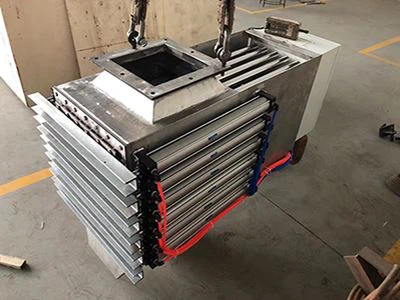
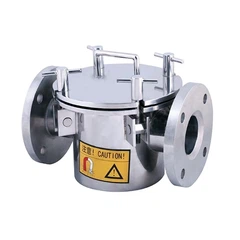
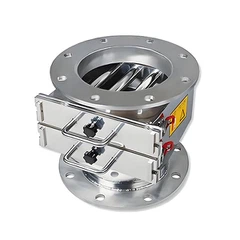
In a dry powder system, screen cleaning was happening constantly. Ferrite rods removed flakes, but fine dust still reached the screen. After installing NdFeB magnetic filter rods in a compact grid, the line logged 18–30 g of fine metal per shift during the first week. Screen cleaning frequency fell from 3 times/day to 1 time/day, and short stoppages reduced noticeably.
Example 3: Slurry Line Before a Pump
For a slurry transfer line, a ferrite rod was placed before the pump, yet downstream filters still loaded up quickly. Replacing it with a neodymium tube magnet changed the pattern: cleaning moved to every 24 hours instead of every 48 hours because more debris was captured. But filter replacement extended from weekly to every 3–4 weeks, and seal-related issues dropped from 2 per month to 0–1 per month.
FAQs
Q: Do you need one rod or a multi-rod grid?
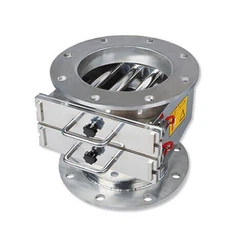
A: If your flow is wide or fast, a grid (multiple magnetic bars) often performs better because it increases contact opportunities. One rod is usually best for narrow chutes or point protection.
Q: Which stainless tube is better: 304 or 316L?
A: Use 304 for general industrial environments. Choose 316L when you have more corrosion risk, frequent washdown, or stricter hygiene requirements.
Q: What details should you include when requesting a quote from magnetic rod suppliers?
A: At minimum: rod size (diameter/length), core type, operating temperature, stainless grade, end style (threaded/plain), target gauss level, quantity, and application (powder/pellet/liquid).
Q: If neodymium captures more, why do some lines complain it's "harder to use"?
A: Because stronger rods hold fine dust tighter. Without a quick-clean sleeve or good cleaning access, the job takes longer, and teams postpone cleaning, then performance drops.
Conclusion
Let's review what we've covered. Neodymium magnetic bars offer far greater strength, leading to superior separation of fine particles and higher first-pass capture rates. Ferrite rods, while more affordable upfront and better suited for high-heat environments, often fall short in performance for demanding applications.
The right choice protects your product quality, safeguards your machinery, and saves you money in the long run. It's an investment in the reliability of your entire process.
At Great Magtech, we specialize in manufacturing high-performance neodymium magnetic bars designed for real industrial challenges. We don't just sell magnets; we provide solutions. Let our team help you select the right tool for your specific needs.
Ready to ensure your product purity? Contact our experts today for a free consultation and see the difference quality magnetic separation can make.