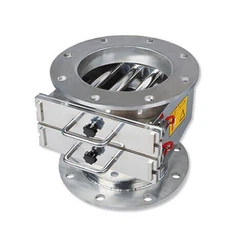
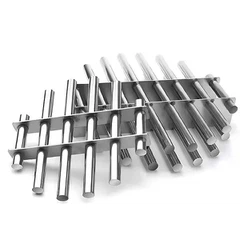
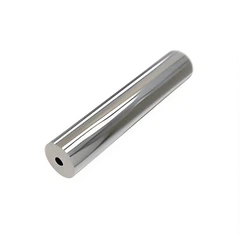
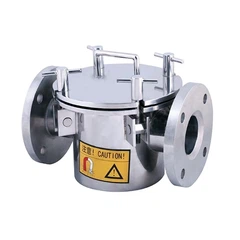


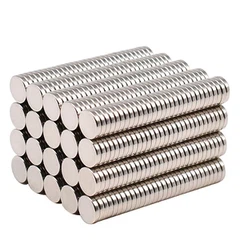
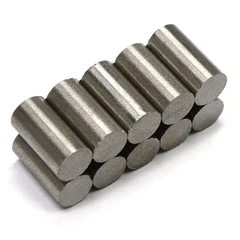
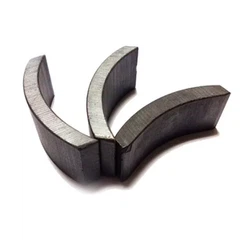
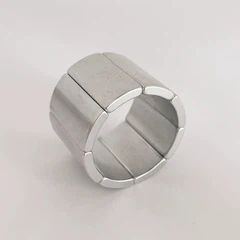

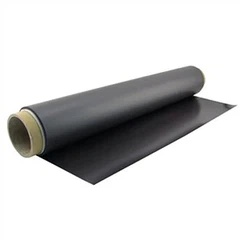
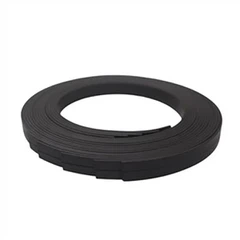

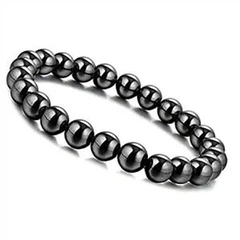


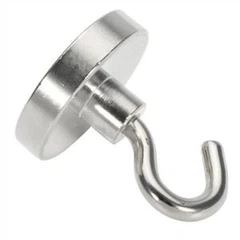
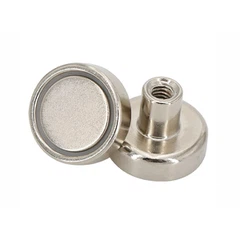
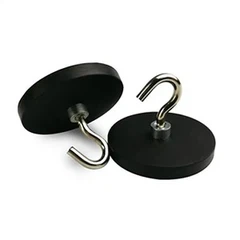






SmCo magnets perform better than NdFeb magnets in higher temperatures and more corrosive environments. Neodymium magnets have a stronger magnetic field-the highest BH Max of any permanent magnet available today-and they are cheaper than SmCo.
Corrosion resistance
SmCo magnets are composed of approximately 65% cobalt. Cobalt is the main component of stainless steel, so it is easy to see that cobalt is an important reason for the good corrosion resistance of samarium cobalt magnets. NdFeB magnets contain about 65% iron. Unless corrosion-resistant metals are added, iron has very poor corrosion resistance. NdFeB magnets can be coated with electroplating, epoxy resin, and other coatings, and they can provide excellent corrosion resistance even in very challenging environments.
Magnet strength
Neodymium iron boron magnets are the strongest permanent magnets available at room temperature and temperatures up to about 180 degrees Celsius-measured by their remanence (Br). But their strength decreases rapidly with increasing temperature. As the operating temperature starts to approach the 180 degrees Celsius region, the performance of samarium cobalt magnets begins to be better than that of NdFeB.
Application
1. NdFeB magnets are very suitable for powerful motors and generators, or where miniaturization is the main driving force. Here are some places where NdFeB magnets may be found:
Electroacoustic applications, such as speakers
Automotive EV drive motor
Automobile matching motor
Mobile phone
Sensor
2. SmCo magnets are usually used for heavy-duty high-temperature applications:
Railway locomotive traction motor
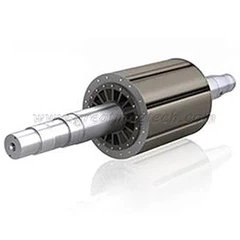
Heavy industrial motors and generators
Marine motors and generators
Downhole applications in oil and gas