













Whether you're designing a bridge or building a floor slab, your choice between prestressed and post-tensioned concrete affects cost, strength, and safety. Prestressed concrete uses tensioned steel placed before casting. In contrast, post-tensioned concrete applies tension after the concrete cures. Understanding both methods helps you select the right approach for your project's size and load needs. You'll avoid surprises like cracking, schedule delays, or extra maintenance down the road. Projects using the optimal concrete method can save up to 20 percent in material costs and trim construction time by days. Knowing these differences gives you the confidence to plan smarter and build stronger.
What Is Prestressed Concrete?
Prestressed concrete is a method that puts steel under tension to strengthen concrete before it faces any load. By doing this, you help the concrete resist cracks and carry heavier weights without bending or breaking.
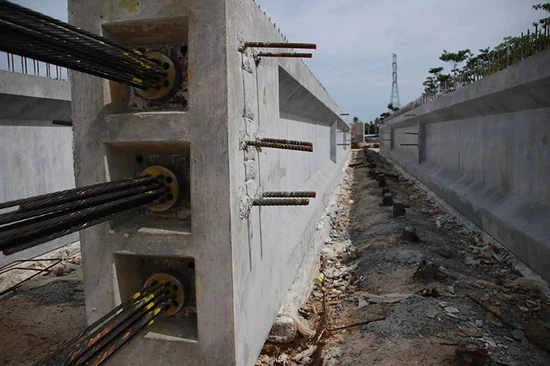
Pre-tensioning Process
In pre-tensioning, steel strands are stretched between anchors in a casting bed. You pour concrete around these tensioned strands. Once the concrete hardens, you release the anchors. The steel tries to shorten, compressing the concrete and locking in extra strength.
Bonded vs Unbonded Systems
With bonded systems, grout fills the space around the strands after tensioning. This grout bonds the strands to the concrete, ensuring forces transfer smoothly.
In unbonded systems, each strand stays coated in grease and wrapped in plastic. The strands can move slightly, which helps absorb shrinkage and temperature changes without causing cracks.
Common Applications
You'll find prestressed concrete in bridge girders, where long spans need extra support. It also appears in floor slabs for parking garages, reducing cracks under heavy traffic. Large storage tanks benefit too, since the compressive force keeps walls tight against leaks.
What Is Post-Tensioned Concrete?
Post-tensioned concrete is a technique where you add tension after the concrete hardens. Instead of stretching steel before you pour, you cast concrete with empty ducts. Once the concrete reaches strength, you thread steel tendons through those ducts, pull them tight, and anchor them to compress the slab or beam.

Post-Tensioning Workflow
First, you place plastic or metal ducts in your formwork. You pour and cure the concrete normally. After it reaches the specified strength-usually 75–85 percent of its design strength-you insert high-strength steel strands into the ducts. Using hydraulic jacks, you tension the strands to the required force. Finally, you lock them in place with anchors and usually grout the ducts to protect the steel from corrosion.
Equipment & Material Selection
You need hydraulic jacks, calibrated pressure gauges, and anchorage devices rated for your design load. Choose strands with the correct grade-commonly that 250 ksi is common for prestressing strands, 270 ksi for post-tensioning-and ducts sized to allow grout flow around the tendons. Select grout that matches local mix standards to ensure full coverage and long-term durability.
Typical Use Cases
You'll see post-tensioned systems in high-rise building floors, where thinner slabs save weight and height. Long-span warehouse roofs use it to avoid intermediate supports. Tunnels and parking garages also benefit, as post-tensioning helps control cracking and leaks in harsh environments.
Prestressing vs. Post-Tensioning: A Quick Look at the Core Differences
When you compare prestressing and post-tensioning, the first thing to notice is when tension happens.
Construction Timing Comparison
Prestressed construction involves stretching the steel strands before pouring the concrete. Once the concrete cures, the strands are released, locking in the compression force. This process is done in a factory environment. Post-tensioned construction is the opposite; concrete is poured in an empty tube, and once it hardens, the steel bars are tightened and anchored, and post-tensioned on site.
Material Usage
Prestressed members use pre-tensioned strands held by casting-bed anchors. You need fewer ducts and grout, but you must coordinate a tensioning bed at the plant. Post-tensioned systems use ducting, grout, and anchorage hardware on-site. That means you carry extra materials-plastic or metal ducts, grout tubes, and field jacks.
Structural Performance Differences
You'll see excellent crack resistance in both methods, but post-tensioning often offers better long-term control of deflection because you can adjust tension after curing. Prestressing gives uniform compression but can lose some force over time from creep and shrinkage. Both systems last for decades when you follow proper maintenance.
Total Cost of Ownership & Sustainability
When you choose between prestressed and post-tensioned concrete, it's smart to look at long-term costs and environmental impact, not just the price tag.
Comparative Material, Labor & Formwork Costs
Prestressed concrete typically costs more at the plant because you need tensioning beds and specialized strands. However, on-site labor and formwork are simpler-no ducts or grout lines to install. Post-tensioned systems save on plant work but add costs in the field for ducts, grout, hydraulic jacks, and extra labor. Over a large project, you might spend 5–10% more on field setup with post-tensioning but save 3–5% on factory work.
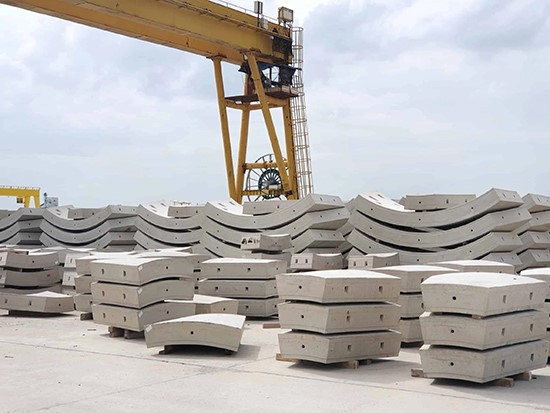
Prestress Losses & Re-tensioning Costs Over Time
Both systems lose some tension as concrete cures and ages. Prestressed strands can lose 5–8% of their force over the first year due to creep and shrinkage. You build this loss into the original tension, so there's no extra cost later. Post-tensioned tendons can be re-tensioned if losses exceed limits, but retensioning requires labor, grout repair, and equipment rental. Plan for a possible 2–4% budget increase in maintenance.
Carbon Footprint & Recyclability of Tendons & Concrete
Prestressing often reduces concrete volume by improving load capacity, cutting CO₂ emissions by up to 10% per project. Post-tensioned structures use more grout and ducts but allow thinner slabs, which can also lower cement use. Steel tendons in both methods are fully recyclable. At the end of life, you can crush concrete for aggregate and recycle steel strands, keeping waste out of landfills.
ROI Case Study: 50-Year Service Life Analysis
Imagine a three-story parking garage. A prestressed design costs $1.2 million upfront, while a post-tensioned version is $1 million. Over 50 years, the prestressed garage saves $250,000 in maintenance and energy due to fewer cracks and tighter joints. That means a net gain of $50,000, boosting your ROI and showing that the slightly higher initial investment pays off over time.
Advanced Comparison: Advantages, Challenges & Decision Guide
When you pit prestressed against post-tensioned concrete, you want a clear side-by-side look, plus a simple way to pick the right system for your project.
Performance vs. Cost Trade-Offs
Prestressed concrete gives you uniform compression with minimal field work, but you pay more up front for casting-bed equipment and specialized strands. Post-tensioning cuts factory costs and lets you pour thinner slabs on site, yet you invest in ducts, grout, and jacking gear.
Site Logistics & Schedule Impacts
With prestressing, you depend on plant schedules and transport times, but on-site crews are smaller and placement is fast. Post-tensioning frees you from plant availability, letting you cast in place. Be ready for extra days of tensioning operations and the need for skilled jack operators.
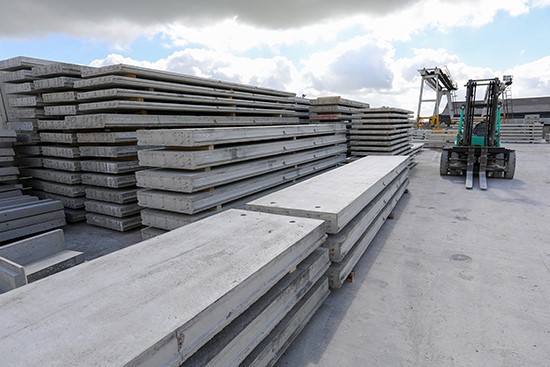
Selecting the Right System
< 30 ft → Prestressing is cost-effective and simple.
30–60 ft → Post-tensioning offers thinner slabs and better deflection control.
60 ft → Post-tensioned beams handle heavy loads best.
Assess Site Access
Limited plant proximity → Choose post-tensioning.
Tight schedule, minimal crews → Lean on prestressing.
Evaluate Budget Priorities
Lower initial plant cost → Post-tensioning wins.
Fewer on-site tasks → Prestressing wins.
Use this quick guide to balance performance, cost, and logistics, so you always pick the concrete system that fits your needs.
Prestressed Concrete Design Considerations
When you design a prestressed member, two big factors guide your choices: the tendon profile and how you handle tension losses.
Tendon Profile Types & Selection Criteria
You can choose a straight profile when loads are uniform or only small compressive forces are needed. A draped (harped) profile follows the shape of the bending moment diagram, boosting efficiency where loads peak in the middle.
Pick straight if spans are short (under 20 feet) and bending is minimal. Use draped strands for longer spans or where you expect higher moments. Also, consider cover requirements-deeper drapes need more concrete cover to avoid corrosion.
Prestress Loss Mechanisms & Mitigation Strategies
After you tension and anchor the strands, the concrete slowly loses force through elastic shortening, creep, and shrinkage. Elastic shortening happens right away when you transfer the load. Creep and shrinkage unfold over months or years.
To offset these losses, you can over-tension by a calculated amount at casting. Choosing low-creep, high-strength concrete also helps. Another trick is using unbonded systems that let strands move slightly, reducing stress on the concrete.
By understanding profiles and losses, you make sure your prestressed element stays strong and crack-free for decades.
Durability & Maintenance Over Service Life
Concrete elements can last for decades, but only if you protect and inspect them regularly.
Corrosion Protection Methods
Steel tendons face corrosion if water or chlorides reach them. You can fill ducts with grout to seal out moisture. For extra protection, use grease-filled, plastic-coated strands in unbonded systems. Adding corrosion inhibitors to the concrete mix also helps slow down rust.
Inspection & NDT Techniques
To catch problems early, use visual inspections and simple tools like sounding hammers. For hidden defects, non-destructive testing (NDT) methods work well. Ultrasonic testing can locate cracks or voids inside. Magnetic flux leakage helps you see steel corrosion without drilling. Regularly check anchor zones and grout quality.
Recommended Maintenance Intervals & Checklists
Year 1: Inspect for leaks and grout condition every three months.
Years 2–5: Do visual NDT surveys and test anchor loads.
Use a checklist: grout integrity, strand tension readings, visible cracks, and water drainage.
By following these steps, you keep your prestressed or post-tensioned members sound, safe, and durable for years to come. and NDT checks twice a year.
Every 5 Years: Perform full NDT surveys and test anchor loads.
Use a checklist: grout integrity, strand tension readings, visible cracks, and water drainage.
By following these steps, you keep your prestressed or post-tensioned members sound, safe, and durable for years to come.
Industry Applications
Before diving into specific use cases, it helps to see why these methods matter in real projects. Whether you're spanning the open water or supporting heavy machinery, the right concrete system gives you strength, crack resistance, and longer service life. In the next sections, you'll discover how prestressed and post-tensioned concrete performs in bridges, buildings, and industrial floors.

Bridges and Cross-Sea Bridges
You'll see prestressed and post-tensioned concrete in long-span bridges and cross-sea viaducts. These structures demand high strength and crack control under heavy traffic and wind. By tensioning steel before or after casting, you keep bridge decks thin yet durable.
Prestressing helps you cast beams off-site and transport them long distances.
Commercial and Residential Buildings
In parking garages and office floors, prestressed and post-tensioned slabs let you span wide areas without columns. You get open layouts and faster construction because fewer beams and supports are needed. That means you can finish projects sooner and give tenants more usable space.
Heavy-Duty Floors and Industrial Platforms
Factories and warehouses demand floors that resist heavy loads from forklifts and machinery. Post-tensioned slabs handle these stresses by keeping the concrete in constant compression. You'll see fewer joints and cracks, which reduces maintenance and keeps operations running smoothly. Sometimes a prestressed design works too, especially when you need quick panel installation.
Whether you're building a bridge, a high-rise floor, or a warehouse deck, these concrete methods give you the strength and durability your project requires.
Risk Management & Safety Best Practices
When you work with tensioned concrete, keeping everyone safe is just as important as getting the structure right.
Common Failure Modes
Steel tendons can snap, or anchors can slip if overload or corrosion weakens them. Concrete may crack at anchor zones if stress concentrates there. Duct grout can leak, allowing rust to form. Knowing these risks helps you watch for warning signs.
Site Safety Protocols for Tensioning Operations
Before tensioning, cordon off the area at least 10 feet from your formwork. Only trained operators should handle hydraulic jacks, and they must follow the manufacturer's sequence for pressurizing and releasing tension. Always check gauge readings twice, and never stand directly behind a tendon during jacking.
Recommended PPE & Emergency Procedures
Wear a face shield, heavy-duty gloves, and cut-resistant sleeves to protect against snap-back. Hard hats and safety boots are mandatory. Keep a first-aid kit and eye-wash station nearby. In an emergency, shut off jacks immediately, evacuate the area, and call onsite medical support.
By understanding failure modes, enforcing strict protocols, and equipping your team properly, you'll reduce accidents and keep your prestressed or post-tensioned project on track.
Summary
You've seen how prestressed and post-tensioned concrete works: one tensions steel before casting, the other after the concrete hardens. Each method brings its benefits-prestressing offers uniform compression from the start, while post-tensioning gives you flexibility and thinner slabs on site. You learned about material costs, durability measures, safety protocols, and real-world uses in bridges, buildings, and industrial floors. By weighing factors like codes, lifecycle costs, and maintenance, you can choose the right system for your project. Armed with this knowledge, you're ready to plan smarter, build stronger, and ensure long-term performance.