









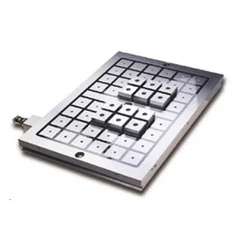


With modern technology and increasing awareness of the purity of products, magnetic separators have grown to be one of the important tools of many industries. Great Magtech Electric Co., Ltd. leads the industry with top-quality magnetic separators catering to all needs.
The working and types of magnetic separators, together with an account of their application, are the topics embraced in this section of the article. It shall establish why Great Magtech Electric Co., Ltd. remains the foremost supplier of these paramount tools.
What are Magnetic Separators?
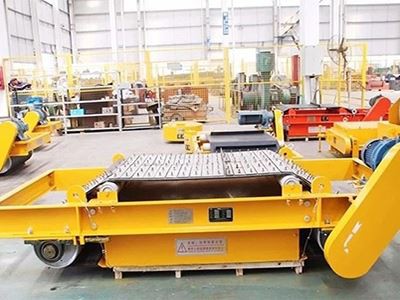
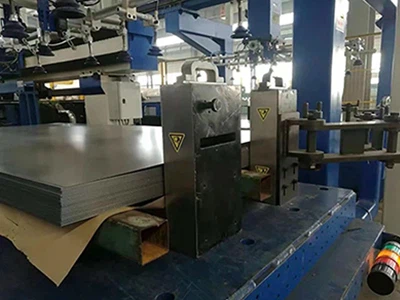
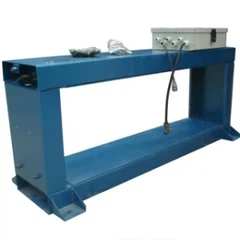
Magnetic separators are appliances that help to remove non-magnetic parts of a mixture containing ferromagnetic and paramagnetic materials. They use magnetic forces to attract and hold particles, which in turn repel the other non-magnetic particles. The latter is especially true for industries such as mining, recycling, food processing, pharmaceuticals, and chemicals, where high purity is required.

Basic Principles of Magnetic Separation
Magnetic separation works in simple terms, whereby magnetism is used to cause a force on magnetic materials, thus separating them from non-magnetic ones. The rate at which these separations are effective depends on the strength and direction of the field, as well as the properties exhibited by such particles. In addition, some other factors, such as particle size, velocity of medium, and its magnetic susceptibility, greatly affect the efficiency with which this can be done.
Types of Magnetic Separators
Magnetic Tubes
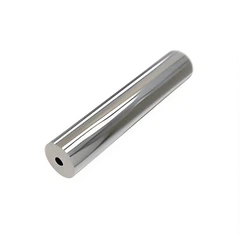
Magnetic tubes consist of a cylindrical bar made of rare earth permanent magnets enclosed in a stainless steel tube and sealed-welded. They are used to catch ferromagnetic impurities in powders and pulps, thus offering a high level of purity to the end product.
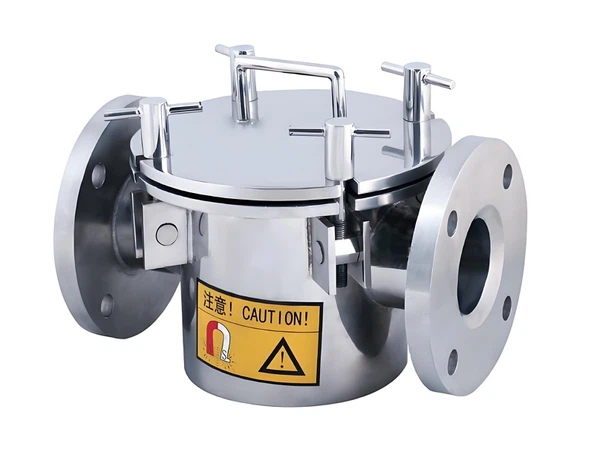
Magnetic Liquid Traps
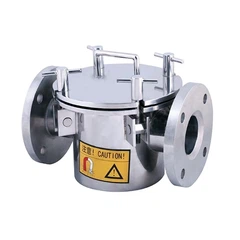
These are intended to remove ferrous contamination from liquid or semi-fluid materials having a wide range of viscosities. It ensures that the material is pure and protects equipment from damage by metal impurities.
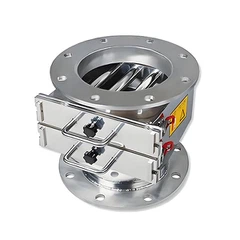
Grate Hopper Magnets
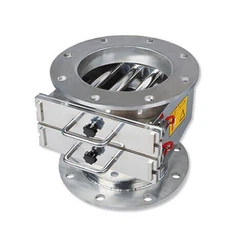
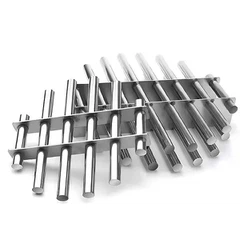
The separators, also called magnetic grates or grid magnets, are used in food processing, plastics, and many other applications for removing iron contamination from free-flowing products like grains, flour, sugar, and powders.
Bullet Magnets
The bullet magnets, also known as magnetic bullet separators, are interceptors attached to pipelines to remove nuts, bolts, washers, and rust-ferrous elements from pneumatic systems to protect downstream equipment.
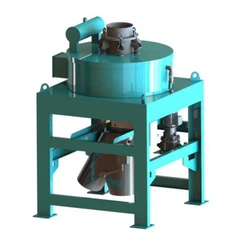
Wet and Dry Electromagnetic Separators
These separators separate materials either in wet or dry conditions by the use of electromagnetic fields. They find very extensive use in industries related to mineral processing, battery materials, and ceramics.

Magnetic Coolant Separators
The separator cleanses the coolant of magnetic iron contamination, hence extending the life of the cutting tools and grinding wheels. This will help reduce machine downtime and operating costs.
How Does a Magnetic Separator Work?
The magnetic separator works with a simple mechanism that generates a magnetic field attracting magnetic particles towards it. Depending on the type of separator, this process may involve different methods:
Magnetic tubes and Grains: These are put into the material's flow path. This helps magnetic particles, on their interaction with the magnetic surfaces, to get attracted by them and thus retain them, but non-magnetic materials continue to flow freely.
Bullet Magnets: In this type of magnet, the material flows through a central magnetic core. The magnetic particles are then attracted to the core, which holds them there until a manual cleaning or automatic ejection has been conducted.
Electromagnetic Separators: These are separators using an electric current to generate a magnetic field. When the current is applied, magnetic particles get attracted and, thereby, are separated from the non-magnetic material. In some designs, the separated particles can be removed automatically, enhancing the efficiency of the process.
Design and Components of Magnetic Separators
Magnetic separators are designed with some components that optimize their performance:
Magnetic Core: The core produces the magnetic field; in permanent magnetic separators, it is constructed from rare earth magnets; in electromagnetic separators, it is made of wire coils where a magnetic field appears on electrification.
Housing: This is where the magnetic core is enclosed; it is constructed of stainless steel, which protects it from corrosion and wear.
Flow Path: The flow path is designed in such a way that the material comes very close to the magnetic field to be separated efficiently. No metallic circuit or any other material can interfere with the performance because there are no coils and no pole pieces.
Cleaning Mechanism: Some separators have an automatic cleaning mechanism, which helps to remove magnetic particles captured by them, reducing maintenance.
Advantages of Electromagnetic Separators
Magnetic separators offer a host of benefits to consumers, without which they would become useless in their sectors. Some major advantages are mentioned below:

Product Purity
Magnetic separators efficiently remove ferromagnetic contaminants from materials so the final product does not contain metal impurities. This is critical in industries such as food processing, where product purity is directly related to quality and safety, pharmaceuticals, and chemicals.
Protection of Equipment
The magnetic separators will trap the ferrous contaminants, preventing them from doing any damage to downstream machinery and equipment. This is of particular concern in industries such as mining, where metal fragments may cause major wear and tear or even fatal failures, generally seen in the recycling and manufacturing industries.
Improved Product Quality
Even minute ferrous contaminants affect the appearance, texture, and performance of the final product in industries such as ceramics, plastics, and food processing. Magnetic separators maintain high product quality by removing impurities.
Cost Savings
Costs can be saved by preventing equipment damage and reducing the frequency of maintenance to almost nil. The magnetic separators are also largely low-cost in terms of energy to operate, hence helping to cut down on operational costs.
Versatility
They can separate a wide array of materials, powders, liquids, and slurries. Therefore, they can be set to different industries and various applications, making them a flexible contamination control tool.
Speed and Efficiency
The magnetic separators offer efficient and fast removal of contaminants from large volumes of materials. This high efficiency ensures that with not much loss of time, processes are able to continue, hence increasing productivity.
Enhancing Safety
Eliminating the ferrous contaminants may aid in enhancing workplace safety by avoiding some hazards, such as metal-induced sparks in explosive environments or metal fragments that might cause injuries.
Longer Life of Consumables
By preventing the ingress of ferrous contaminants into the production line, magnetic separators will increase the life of consumables like cutting tools, grinding wheels, and filters. All this translates to reduced replacement costs and less frequent disruptions.
Better Process Efficiency
The magnetic separators clean the product during the process so that only clean material proceeds through various stages of manufacturing or processing. This leads to smoother operations and reduces the risk of expensive mistakes or product recalls.
Magnetic Separator Applications
Magnetic separators play their roles in industries that range from the most diversified to various other applications. Ferromagnetic contamination removal thus safeguards product purity, protects equipment, and overall operational efficiency. Some of the principal applications of magnetic separators include:
Mining and Mineral Processing
Ore Beneficiation: Magnetic separators are used for the separation of valuable minerals from ores. For example, in iron ore processing, magnetic separators extract iron-rich minerals, increasing the value and purity of the final product.
Magnetic dewatering is used in the dewatering process to recover magnetic particles from slurry, reducing water content and raising handling efficiency.

Food Processing
Contaminant Removal: Ensures that ferrous contaminants are removed from food products like grains, flour, sugar, and powdered spices to sustain food safety standards.
Ingredient Purity: It safeguards food processing equipment from probable damage by metal pieces or fragments, thereby ensuring the purity of the ingredients used in the production of food.
Ceramics and Glass
Raw Material Processing: This ensures the removal of iron particles from raw ceramic and glass materials, hence producing defect-free and quality finished products.
Quality Control: It results in better quality control through the assurance of finished products being free of ferrous contaminants.
Plastics and Rubber
Material Purification: Removes metal impurities from plastic resins, rubber compounds, and other raw materials to assure the quality and safety of finished products.
Equipment Protection: It helps to protect molding and extrusion equipment from damage caused by metal fragments.
New Developments and Trends
The field of magnetic separation has been very dynamic, with the latest developments and trends being:
Advanced magnetic materials: Advances in magnetic materials, such as neodymium magnets, have increased efficiency and strength in magnetic separators.
Innovations in automated cleaning systems have reduced losses due to downtime and decreased labor costs from manual cleaning.
Compact designs: Compact and mobile magnetic separators have expanded the possibilities of applications in small-scale and remote operations.
IoT Integrated Magnetic separators enable real-time monitoring and control, thus increasing operational efficiency.
Selection Criteria of Magnetic Separators
The selection of an appropriate magnetic separator to suit your requirements needs to consider several factors to perform optimally in service and achieve efficiency. The following are the key selection criteria:
Type of Material to be Separated
Ferromagnetic vs. Paramagnetic: Determine if the materials you are trying to separate are strongly magnetic, ferromagnetic, weakly magnetic, or paramagnetic.
Particle Size: The size of the particles to be separated affects the type and intensity of the magnetic separator utilized.
Material Flow Rate
Calculate the volume of material that will be processed in a given amount of time. High flow rates typically require more powerful or larger magnetic separators.
Operating Environment
Whether the magnetic separator can work over the temperature range of the environment.
Humidity and Exposure: Moisture, dust, and other corrosive elements that may hamper the separator's performance or life are to be noted.
Magnetic Strength
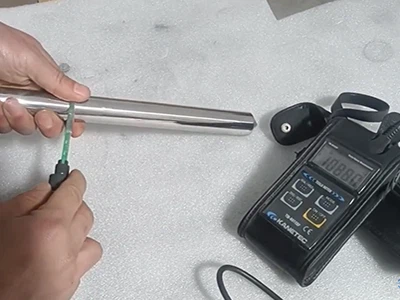
The power of the magnetic field is measured in terms of Gauss or Tesla. This is yet another parameter in specifying the effective separation of impurities. Poorly magnetic or small particles require a higher magnetic strength.
Type of Magnetic Separator
Permanent Magnets vs. Electromagnets: Permanent magnets do not require a power source and save energy, while electromagnets can be shut on/off and have adjustable magnetic strength.
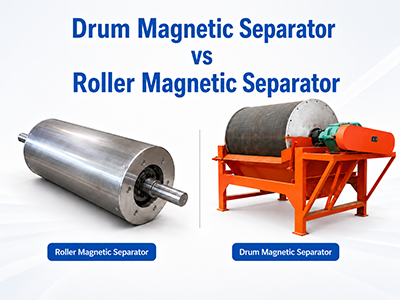
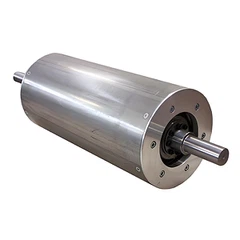
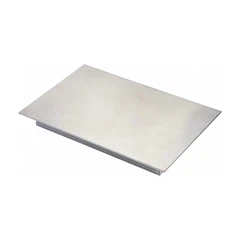
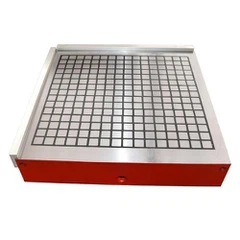
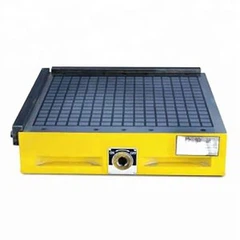
Configuration: Find magnetic tubes, grids, plates, drum separators, bullet magnets, and others in various sizes and materials to suit your application and the required way of mounting/installation.
Product Consistency
Dry vs. Wet Material: Not all magnetic separators are designed for either dry or wet material. Be sure to choose the separator according to the nature of your product.
Viscosity: In liquids or semi-liquids, some separators can help employers deal with varying levels of viscosity in the product.
Installation Space and Configuration
Always calculate the space where you can install the magnetic separator. Sometimes, due to space constraints, compact designs are essential.
It should be easy to integrate with other machinery and integrate into the process.
Compliance with Industry Standards
The magnetic separator shall meet all the latest standards and certifications required by the different industries, specifically the food processing and pharmaceutical industries.
Cost and ROI
Weigh the upfront cost of the separator against the long-term benefits: not only improved purity but also less intensive wear and tear on downstream equipment and less maintenance cost.
Consider the total cost of ownership through installation, operation, and maintenance expenses.
Supplier Reputation and Support
Go for a reputable supplier known for offering high-quality products and customer support.
Check available technical support, warranty, and after-sales service for continuous performance and assistance.
Why Great Magtech Should Be Your Choice for Magnetic Separation?
Great Magtech is a top magnetic separator supplier, backing quality with innovation and customer satisfaction. The compelling reasons for choosing Great Magtech are discussed below.
Quality Products: Great Magtech offers a wide range of top-of-the-line magnetic separators fabricated from quality raw materials that assure durability and high performance.
Innovative Solutions: The firm continues to invest in research and development to bring fresh innovations into its products, thereby offering customers leading-edge solutions.
Customization Options: Great Magtech recognizes that the needs of each industry are different and offers customized solutions for the same.
Expert Support: With an experienced team of professionals, expert support and guidance are provided right from choosing the correct separator down to installation and maintenance.
Competitive on Pricing: Owing to the delivery of quality products, Great Magtech has been able to offer quite competitive pricing, which would certainly give value for money.
Global Presence: The company supplies to many clients globally and delivers effective and efficient magnetic separation solutions.
Conclusion
Magnetic separators provide an assurance of product purity and protection of processing equipment against contamination in various industries. Great Magtech offers a diversified portfolio of magnetic separation solutions with high efficiency and reliability in operational execution. Look no further than GME for top-quality magnetic separators and enjoy the accruable benefits enhanced through product purity and equipment protection.
Contact us at Great Magtech today for more information about our magnetic separation solutions and discuss how we can help improve your production processes.