
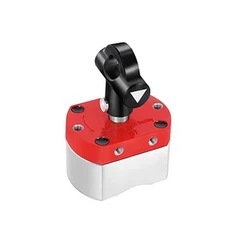

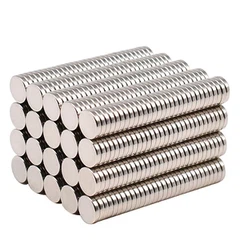
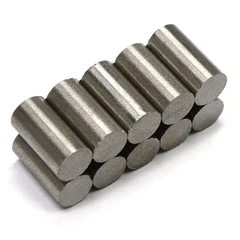
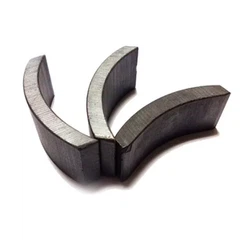
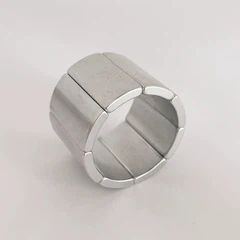


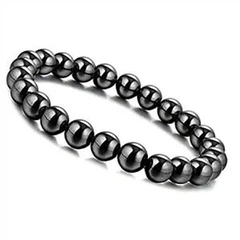


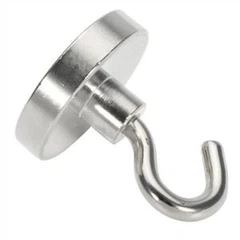
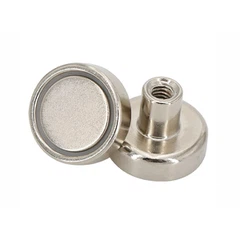

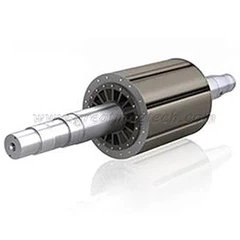








You might have wondered whether copper is magnetic when you see it used in wires, motors, or electronics. The truth is, copper behaves very differently from materials like iron or nickel that easily stick to magnets. Understanding why copper isn't magnetic helps you see why it's such a valuable metal in industries that need stable, interference-free performance. Before diving deeper, it's helpful to know how copper compares to stronger magnetic materials such as neodymium magnets and other rare-earth magnets.
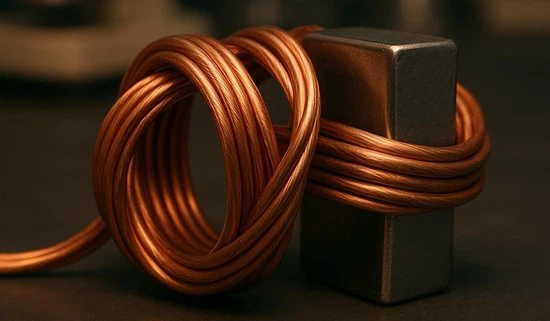
Is Copper Magnetic or Non-Magnetic?
Copper is a non-magnetic metal. When you bring a magnet close to a piece of copper, it won't stick or show any attraction. This is because copper doesn't have the unpaired electrons needed to create a magnetic field like iron or nickel does. Instead, copper is classified as diamagnetic, meaning it slightly repels magnetic fields rather than attracting them. You might notice this weak effect only under strong laboratory magnets, but in everyday use, copper behaves as a completely non-magnetic material. This property is one reason copper is widely used in electrical systems where magnetic interference needs to be avoided.

Understanding the Magnetic Properties of Copper and Its Alloys
Copper and its alloys behave very differently from typical magnetic metals. To understand why, it helps to look at how magnetism works at the atomic level.
How Copper's Electrons Affect Magnetism
Copper atoms have all their electrons paired, which means there are no unpaired electrons to create a magnetic moment. Without this, copper cannot become magnetized in the way iron, nickel, or cobalt can. This is why you won't see copper sticking to a magnet in your everyday environment.
Copper Alloys and Magnetic Behavior
When copper is mixed with other metals to form alloys, such as bronze or cupronickel, it generally keeps its non-magnetic characteristics. Even if a small amount of magnetic elements is added, copper usually dominates the overall behavior. That's why many copper alloys are preferred in applications where magnetic interference must be avoided.
By understanding these properties, you can see why copper is ideal for electrical systems, sensors, and environments where stable, non-magnetic performance is critical.
Why Is Copper Non-Magnetic?
Copper's non-magnetic nature comes from the way its atoms are structured and how its electrons are arranged. Unlike ferromagnetic metals, copper lacks the unpaired electrons necessary to produce a strong magnetic field, which is why it behaves differently around magnets.

Why Isn't Copper Magnetic Like Iron or Nickel?
Iron and nickel have unpaired electrons in their outer shells that act like tiny magnets. These electrons can align with an external magnetic field, creating a strong, cumulative magnetic effect. Copper, in contrast, has all its electrons paired. Each pair spins in opposite directions, effectively canceling out any magnetic influence. This is why copper cannot become magnetized or retain magnetic properties the way iron or nickel can.
How Does Copper React to a Magnet?
When you bring a magnet near copper, you won't see it attract like magnetic metals. Instead, copper exhibits diamagnetism, meaning it creates a very weak opposing magnetic field. This repulsion is subtle and usually only noticeable under strong magnets. In everyday use, copper behaves as completely non-magnetic, which makes it ideal for electrical systems, sensitive equipment, and applications where magnetic interference must be avoided.
Magnetic Behavior in Metals: Quick Guide
Metals respond differently to magnetic fields depending on their atomic structure. The table below summarizes the main types of magnetic behavior and examples:
|
Magnetic Type |
Description |
Examples |
Behavior Around Magnets |
|
Ferromagnetic |
Strong attraction; unpaired electrons align to create permanent magnetism |
Iron, Nickel, Cobalt |
Strongly attracted; can become magnets |
|
Paramagnetic |
Weak attraction; does not retain magnetism after the external field is removed |
Aluminum, Platinum, Magnesium |
Slightly attracted; temporary effect |
|
Diamagnetic |
Weakly repelled by magnetic fields; no permanent magnetism |
Copper, Bismuth, Lead |
Very slight repulsion; appears non-magnetic |
How Does Copper React to Magnetic Fields?
Although copper is non-magnetic, it still interacts with magnetic fields in interesting ways. When a changing magnetic field passes near copper, it induces small circular currents called eddy currents. These currents generate their own magnetic fields that oppose the original field, creating a subtle repulsive effect.
This reaction is a key part of electromagnetic induction. For example, if you drop a strong magnet through a copper tube, the magnet falls more slowly than it would through a non-conductive tube because the eddy currents resist its motion.

In practical applications, this behavior allows copper to be used in electrical generators, transformers, and magnetic braking systems. Even though copper doesn't stick to magnets, its ability to interact with magnetic fields makes it invaluable in many engineering and electronic systems.
Copper Alloys and Non-Magnetic Performance
Copper alloys inherit much of copper's natural non-magnetic behavior, making them suitable for applications where magnetic interference must be minimized. By combining copper with other metals, you can achieve specific mechanical properties without sacrificing its diamagnetic nature.
Common Non-Magnetic Copper Alloys
Some widely used copper alloys include cupronickel (copper-nickel), aluminum bronze, and beryllium copper. These alloys maintain low magnetic permeability even when alloyed with small amounts of magnetic elements. For instance, cupronickel is often used in marine and electrical systems where non-magnetic performance is critical.
Why Non-Magnetic Performance Matters
Using non-magnetic copper alloys prevents interference in sensitive equipment such as sensors, control systems, and underwater electronics. Even in challenging environments, these alloys remain largely unaffected by external magnetic fields, ensuring reliable operation.
Specialized Alloys
High-performance alloys like Hiduron 130 combine strength, corrosion resistance, and non-magnetic behavior, making them ideal for subsea connectors, pump shafts, and other components where magnetic interference could compromise safety or performance.
By choosing the right copper alloy, you get the best of both worlds: mechanical durability and minimal magnetic response.
Industrial Applications of Non-Magnetic Copper Alloys
Non-magnetic copper alloys are widely used in industries where magnetic interference can affect performance, safety, or accuracy. Their unique combination of strength, corrosion resistance, and diamagnetic behavior makes them essential in specialized engineering applications.

Marine and Offshore Engineering
In marine environments, copper-nickel alloys are frequently used for seawater piping, pump shafts, and valve components. Their non-magnetic nature prevents interference with navigation and communication equipment while resisting corrosion from saltwater, ensuring long-term reliability.
Electrical and Electronics Applications
Copper alloys are vital in electrical systems and sensitive electronics. Non-magnetic properties prevent distortion of signals in sensors, transformers, and control systems. Components such as connectors, coils, and shielding materials benefit from copper's ability to conduct electricity efficiently without introducing magnetic interference.
Medical and Scientific Equipment
In medical devices like MRI machines, non-magnetic copper alloys are critical. They allow components to operate safely within strong magnetic fields without disrupting imaging accuracy. Similarly, scientific instruments often rely on these alloys to maintain precise measurements.
Industrial Machinery
High-performance copper alloys like aluminum bronze or Hiduron 130 are used in pump components, gear parts, and subsea connectors. Their combination of mechanical strength, corrosion resistance, and non-magnetic behavior ensures smooth operation even in demanding industrial environments.
By selecting the right non-magnetic copper alloy, you ensure that your equipment performs reliably while avoiding unwanted magnetic interference in critical systems.
Copper and Electrical Conductivity
Copper is one of the best conductors of electricity, second only to silver. Its excellent conductivity allows electrons to flow freely, making it the backbone of electrical wiring, circuits, and power distribution systems.
Because copper is non-magnetic, it doesn't interfere with nearby magnetic components, which is essential in sensitive electronics, transformers, and motors. You can rely on copper to carry current efficiently while minimizing energy loss and avoiding unwanted magnetic effects.
Even in applications involving changing magnetic fields, copper generates eddy currents that can be used for electromagnetic induction, braking systems, and induction heating. This combination of high conductivity and non-magnetic performance makes copper an invaluable material for a wide range of electrical and electronic systems.
Can Copper Be Made Magnetic?
Pure copper cannot be made permanently magnetic due to its atomic structure. All of its electrons are paired, which prevents the formation of a magnetic moment needed for ferromagnetism. This means copper will always remain diamagnetic and weakly repel magnetic fields.
You can, however, create weak magnetic behavior by alloying copper with magnetic elements like iron or nickel. Even then, the magnetic properties come from the added metals, not the copper itself, and remain much weaker than those in ferromagnetic materials.
Copper can also exhibit temporary magnetic effects through electromagnetic induction. When current flows through copper, it generates a magnetic field, but this field disappears as soon as the current stops. So, while you can influence copper with magnets or electricity, it cannot become a permanent magnet.
Common Misconceptions About Copper and Magnetism
Several misunderstandings about copper's relationship with magnetism often confuse people. Let's clear them up so you can better understand how copper behaves.
Copper Is Magnetic if It's Pure
Some believe that pure copper can become magnetic. This isn't true. Copper's electrons are all paired, which prevents it from developing a permanent magnetic field. No amount of external magnets can make pure copper attract like iron or nickel.
Copper Alloys Are Always Non-Magnetic
While most copper alloys remain non-magnetic, this isn't universal. Alloys containing magnetic elements like iron or nickel can show weak magnetic behavior. However, the magnetic effect comes from those added elements, not copper itself.
Copper Does Not Interact With Magnetic Fields
Another common misconception is that copper ignores magnetic fields. In reality, copper interacts through electromagnetic induction. Changing magnetic fields near copper can create eddy currents and temporary opposing magnetic fields, which are useful in applications like induction heating or braking systems.
Understanding these misconceptions helps you make informed choices when working with copper in electrical, industrial, or scientific settings.
FAQs
Q: Can you use magnets to separate copper from other metals?
A: No, magnetic separation does not affect copper. This is why different methods, like eddy current separation, are used in recycling and industrial processing.
Q: Where is copper's interaction with magnets useful?
A: Copper's interaction with changing magnetic fields is useful in electromagnetic induction applications, such as braking systems, induction heating, and generators.
Q: Why is copper preferred in medical and scientific equipment?
A: Because it doesn't affect nearby magnetic fields, copper is ideal for MRI machines, sensors, and other sensitive devices that require stability and precision.
Q: How is copper used in energy and industrial systems?
A: Copper's combination of high conductivity and non-magnetic behavior makes it perfect for renewable energy systems, electric motors, and generators, allowing efficient energy transfer without unwanted magnetic interference.
Conclusion
Copper is a unique metal because it is non-magnetic yet highly conductive. Its diamagnetic nature prevents interference with nearby magnetic components, while its excellent electrical conductivity makes it essential for wiring, motors, transformers, and more.
By understanding copper's magnetic properties, you can make smarter choices in electrical, industrial, and scientific applications, ensuring reliable performance where magnetic interference must be avoided. Whether working with pure copper or copper alloys, knowing how it interacts with magnetic fields helps you use it more effectively.
Want to learn more about magnetic materials and industrial applications? Explore our magnetic product insights at Great Magtech.