















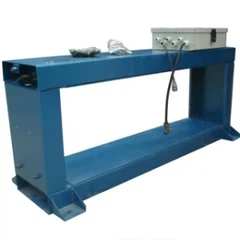
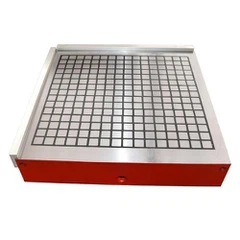
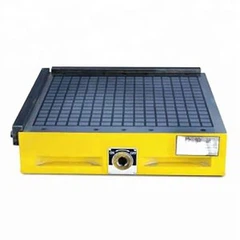
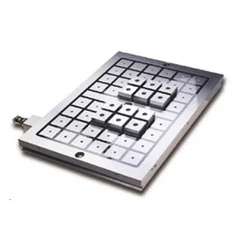


What is a Magnetic Belt Conveyor?
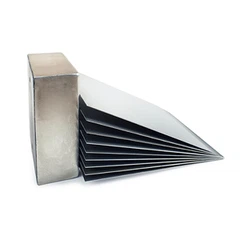
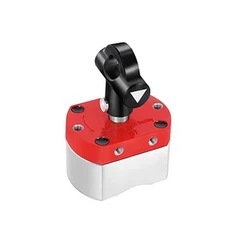
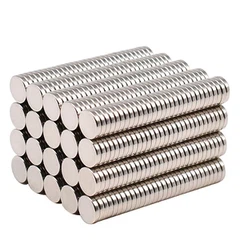
Magnetic conveyors are similar to other conveyors, which carry the product from one side to another with the help of a trough or on top of a reciprocating belt. These conveyors utilize conveyor magnets, enabling them to leverage materials' magnetic properties.
The bed of the conveyor has evenly spaced electromagnetics. These magnets convey ferromagnetic products while powered and timed. By utilizing the strength of magnetic attraction that is large enough to withstand gravity, the magnetic belt conveyor can be used in any orientation, horizontal to vertical or upside down. The magnetic strength can also be altered, which allows the light and heavy items to be conveyed because they are magnetic.

Importance of Magnetic Belt Conveyors
You must always pay attention to the importance of a Magnetic Belt Conveyor in many industries. It has a significant magnetic conveyor system that can efficiently handle and transport ferrous materials, essential in industries including recycling, manufacturing, mining, and food processing. The primary advantage is that it has the potential to hold and move the ferrous material securely, leveraging the magnetic force and ensuring complete control over the speed and trajectory of the material. This can reduce the chances of spillage and equipment damage and improve production effectively.
Furthermore, Magnetic Belt Conveyors help a cleaner and safer working environment by minimizing material accumulation on the conveyor belt and enabling automated control via modern technologies. As a result, they improve operating efficiency and lower maintenance requirements, making them essential instruments for companies that rely on effective ferrous material handling.
Components of a Magnetic Belt Conveyor
Follow the below vital components of a Magnetic Belt Conveyor:
1. Conveyor Belt
The conveyor belt is typically manufactured with durable materials and proactively designed to fulfill the significant demands of the application. Each end of the conveyor carries the ferrous material.
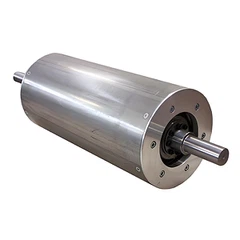
2. Magnetic Pulleys
These are magnetized pulleys strategically placed along the length of the conveyor, creating a magnetic field that attracts and securely retains ferrous items to the conveyor belt.
3. Drive System
The conveyor has a drive system, usually consisting of an electric motor, gearbox, and bearings. The motor generates the necessary power to move the conveyor belt and transfer items.
4. Control System
Magnetic belt conveyors have a robust control system, including programmable logic controllers (PLC), sensors, and a human-machine interface (HMI). Indeed, this control system performs the conveyor’s operations, such as speed adjustments and starts or stop functionalities.
Types of Magnetic Conveyors
Many types of magnetic conveyors are available in the industry. So let’s discuss only the main types of magnetic conveyors.
1. Magnetic Belt Conveyor
Magnetic belt conveyors can be the widely used type because these conveyors perform operations efficiently. This conveyor type has a sheet metal belt with a magnet underneath, enabling any magnetic material to stick to the belt. You can utilize this conveyor for daily purposes with the extra advantage of being conveyed in almost any direction. Undoubtedly, you can move parts, canned goods, ores, and any other magnetic products with the help of a magnetic belt conveyor.

2. Magnetic Separator
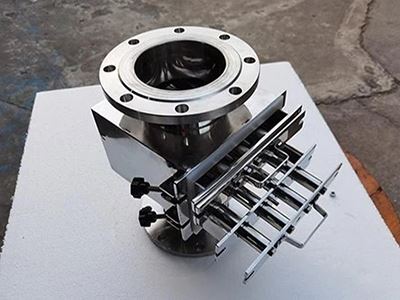
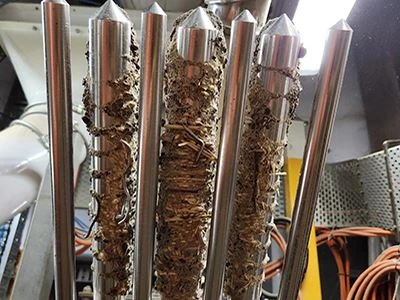
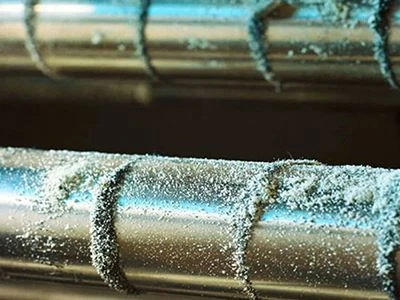
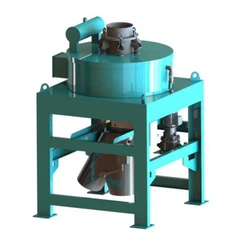
A magnetic separator is a device similar to magnetic conveyors, serving a specific purpose in numerous industrial operations. A magnetic separator isolates and removes unwanted magnetic elements from a material stream. These separators are critical in businesses where product purity and quality are crucial.

Different designs of magnetic separators can perform the same functionality of removing the ferromagnetic product from the non-magnetic mixture. These magnetic separators are commonly used in various industries, including mining and chemicals, where purity is paramount.
3. Beltless Magnetic Conveyor
A beltless magnetic conveyor is a type of conveyor system that does not employ a standard conveyor belt to transfer products. Instead of using a belt to move items, it uses magnetic attraction and repulsion to transport items along a fixed or semi-stationary route. This conveyor is ideal for applications where regular conveyor belts are unfeasible or where eliminating belt-related maintenance and wear is preferred.
Indeed, the surface of the conveyor is often made of powerful magnets or magnetic rails that generate a magnetic field throughout its length. To move ferrous materials through the conveyor, this magnetic field interacts with them.
Working Principle of a Magnetic Belt Conveyor
Follow the detailed explanation for the working principle of the Magnetic Belt Conveyor:
1. The magnetic belt conveyor operates on the magnetic attraction concept. Magnetic pulleys or magnetic rails are used beneath the conveyor belt in the conveyor system. Permanent magnets or electromagnets can be used as magnetic components.
2. Ferrous materials are loaded onto the conveyor belt at one end of the process. These materials include metal bits, scraps, and other ferrous objects.
3. The electric motor is used to power the conveyor belt. It also produces a magnetic force on the ferrous materials.
4. The magnetic field attracts ferrous materials to the conveyor belt. They strictly remain on the surface of the belt and are moved down the conveyor's path. Undoubtedly, the magnetic force has enough force to keep the materials in place and prevent them from slipping off.
5. Depending on the purpose, the Magnetic Belt Conveyor transfers items to a location where they can be discharged. This may include automatic mechanisms, chutes, or other machinery.
6. The conveyor can be stopped once the items have been unloaded, and the operation can be resumed for the following batch of materials.
Advantages of Magnetic Belt Conveyors
Here are some key benefits of Magnetic Belt Conveyors:
• Precise Material Control
Magnetic Belt Conveyors provide precise control over the movement of ferrous materials. The magnetic force ensures that materials stay securely in place on the conveyor belt.
• Elimination of Carryback
Unlike traditional conveyors, Magnetic Belt Conveyors effectively eliminate the problem of carryback, which refers to residual material adhering to the belt's surface.
• Environmental Benefits
By preventing material spillage and reducing waste, Magnetic Belt Conveyors contribute to a cleaner and safer working environment. They also support environmentally friendly practices by minimizing the release of materials into the surrounding area.
• Enhanced Safety
Using magnets for material control enhances safety by reducing the risk of accidents associated with material spillage and conveyor jams. Additionally, Magnetic Belt Conveyors can be equipped with safety features and automation controls for safe operation.
• Cost Efficiency
While the initial investment in Magnetic Belt Conveyors may be higher than that for some traditional conveyors, their long-term cost efficiency is evident through reduced maintenance, increased operational uptime, and improved material handling.
Applications of Magnetic Belt Conveyors
Here are some typical applications of Magnetic Belt Conveyors:

• Recycling Industry
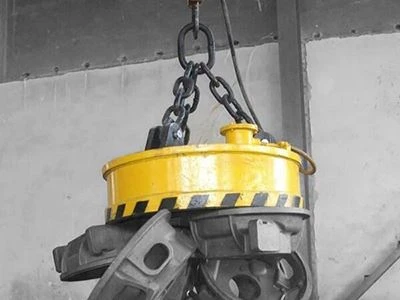
Magnetic Belt Conveyors transport shredded or crushed metal scrap from one processing stage to another. With the help of this magnetic belt, ferrous metals can be separated from non-ferrous materials, which improve the quality of recyclable metals.
• Mining and Aggregate Industry
Magnetic Belt Conveyors can efficiently move iron ore, coal, and other magnetic minerals from mining sites to processing facilities or loading docks. In quarries and aggregate processing plants, these conveyors transport crushed stone, gravel, and sand, helping to separate ferrous contaminants from the final product.
• Food Processing Industry
Magnetic Belt Conveyors are used in food processing facilities to ensure that raw materials and finished products are free from metal contaminants. They are crucial for maintaining product quality and safety in meat processing, baking, and grain milling industries. Moreover, magnetic conveyors help remove ferrous impurities from grains and cereals during production and packaging.
• Manufacturing Industry
In metal fabrication and machining operations, these conveyors transport metal parts and chips while separating ferrous contaminants, reducing equipment wear and maintenance. Magnetic Belt Conveyors assist in the automated assembly of vehicles, moving metal components along the production line.
• Material Handling and Sorting
Magnetic conveyors are employed to sort electronic waste (e-waste) to extract valuable ferrous components. In logistics and distribution centers, they help sort packages and parcels by detecting and removing items with magnetic components.
• Agriculture and Pharmaceutical
Magnetic Belt Conveyors transport grains and seeds while removing ferrous contaminants in grain elevators and storage facilities. In pharmaceutical manufacturing, these conveyors assist in handling and inspecting tablets and capsules for ferrous contaminants.
• Ceramics and Glass Manufacturing
Magnetic Belt Conveyors separate and transport ferrous metal contaminants from recycled glass cullets. They assist in handling ceramic components in the manufacturing process, preventing contamination.
• Plastics Industry
Magnetic conveyors transport plastic waste, helping remove metal contaminants from the plastic recycling stream.
Conclusion
Finally, Magnetic Belt Conveyors are essential instruments in various sectors where efficient material handling, product quality, and safety are critical. Their ability to use magnets to move ferrous materials along a regulated path has multiple benefits, including precise material control, elimination of carryback, decreased maintenance, environmental benefits, and increased safety.
Indeed, Magnetic Belt Conveyors have many applications, from recycling facilities and mining operations to food processing plants and manufacturing lines, contributing to higher productivity, product purity, and operational efficiency. As industries evolve, these conveyors remain critical, demonstrating their adaptability and importance in modern industrial processes.