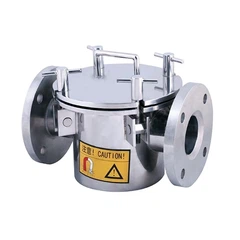
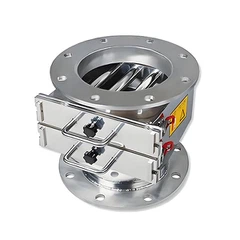
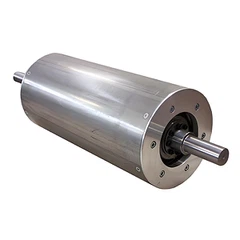
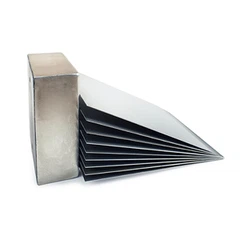
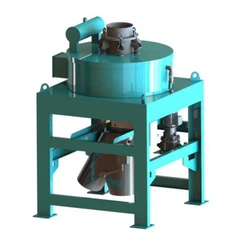

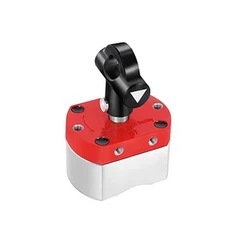







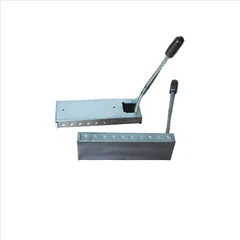
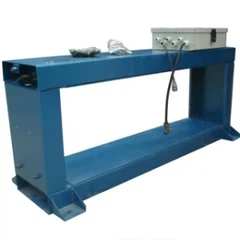
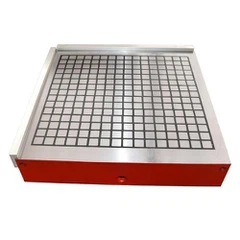
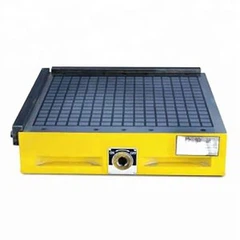
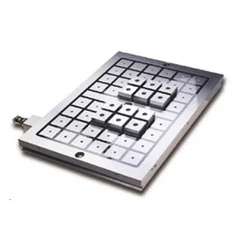


In the realm of material purification, the magnetic separator stands tall as a stalwart guardian, wielding the power to rid substances of ferromagnetic impurities. But amidst the array of options, a crucial question looms: Which type of equipment - electromagnetic or permanent magnet - is best suited for your needs?
1. Principles and Characteristics
Electromagnetic Separator
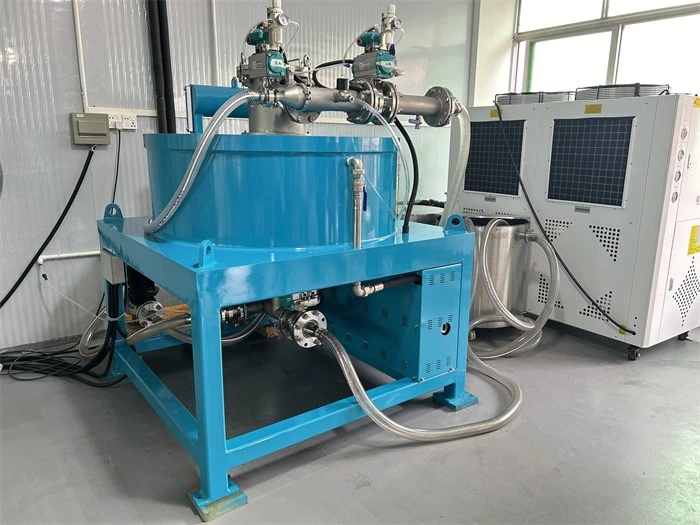
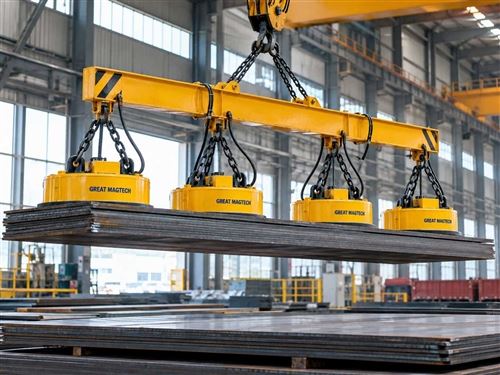
The electromagnetic separator operates on the fundamental principle of electromagnetism. Through the flow of current within its electromagnetic coil, it conjures an immensely potent magnetic field. As materials traverse this field, ferromagnetic impurities are magnetically attracted and subsequently removed, thus achieving the goal of iron elimination.

Permanent Magnetic Separator
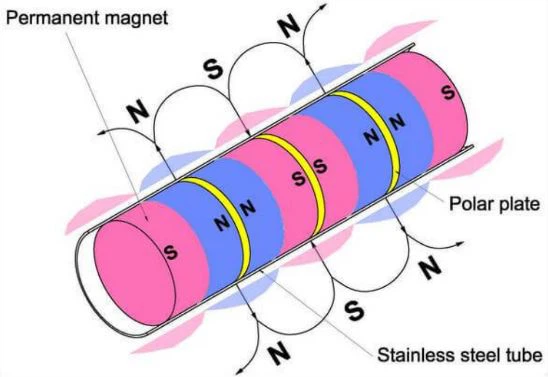
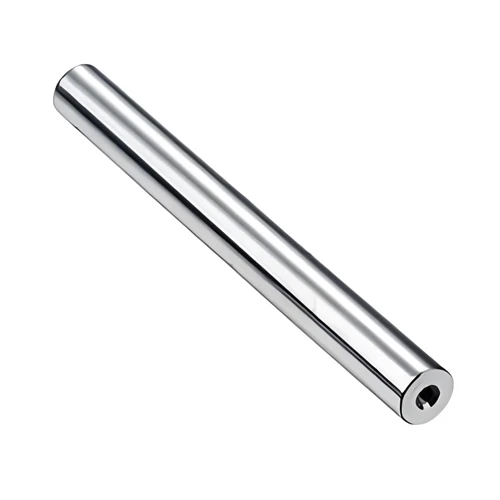
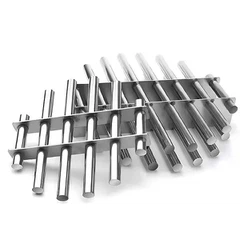
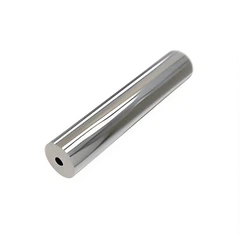
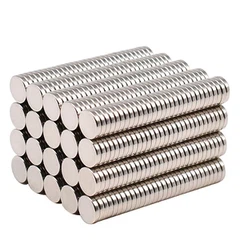
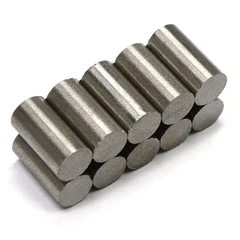
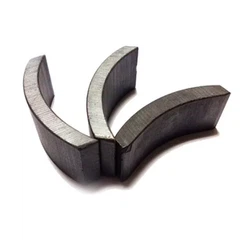
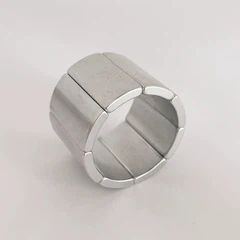
In contrast, the permanent magnetic separator harnesses the inherent magnetism of high-performance NdFeB (Neodymium Iron Boron) to ensnare ferromagnetic impurities. Its operation relies on the magnetic prowess of this material, providing a robust and enduring solution for iron removal.

2. Usage Environment
Electromagnetic Separator
Due to its reliance on electromagnetism, this type of separator demands a controlled operational milieu. It imposes specific environmental prerequisites:
Altitude restriction: Not exceeding 4,000 meters above sea level.
Temperature range: Maintained between -20°C and 40°C.
Hazard constraints: Exclusion of explosive or corrosive atmospheres.
Humidity limit: Below 90% at 25°C.
Permanent Magnetic Separator
The permanent magnetic separator, powered by NdFeB, exhibits versatility in usage environments. It thrives in dusty, humid, and corrosive settings, both indoors and outdoors. Unlike its electromagnetic counterpart, it operates sans electricity, making it an ideal choice for varied applications, including coal transportation ports, mines, and thermal power plants.
3. Magnetic Range
Electromagnetic Separator
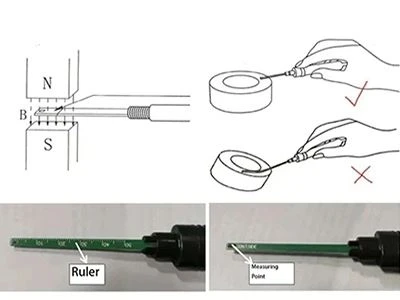
With a magnetic force surpassing 30,000 Gauss and maintaining stability over time, the electromagnetic separator boasts formidable prowess in magnetism.
Permanent Magnetic Separator
Constrained by the properties of NdFeB, the magnetic force of the permanent magnetic separator reaches upwards of 12,000 Gauss. However, this force diminishes gradually with the depletion of the magnetic source material.
4. Work Efficiency
Electromagnetic Separator
Demonstrating robust magnetism capable of lifting materials ranging from 0.1 to 35 kilograms, the electromagnetic separator excels in work efficiency. Yet, its continuous operation necessitates sustained power consumption, limiting prolonged usage.
Permanent Magnetic Separator
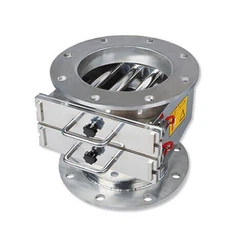
While comparatively weaker in magnetic force, the permanent magnetic separator finds its niche in scenarios with minimal ferromagnetic content. Historically, manual intervention was required for impurity removal, but advancements have birthed self-discharging iron removers, enhancing operational efficiency for both electromagnetic and permanent magnet variants.
Conclusion
In the landscape of industrial operations, the magnetic separator emerges as an indispensable ally, safeguarding against equipment damage and operational hitches caused by ferromagnetic contaminants. The choice between electromagnetic and permanent magnetic variants hinges on nuanced factors such as operational environment, material composition, and desired efficiency levels. Selecting the apt magnetic separator ensures seamless production processes and augments workplace safety.
FAQs
Which type of magnetic separator is more energy-efficient?
The permanent magnetic separator, owing to its independence from electrical power, is inherently more energy-efficient.
Can the electromagnetic separator be used in outdoor environments?
While feasible, the electromagnetic separator necessitates controlled conditions due to its reliance on electricity.
What are the key advantages of self-discharging iron removers?
Self-discharging iron removers automate the removal process, enhancing operational efficiency and minimizing manual intervention.
Is the permanent magnetic separator suitable for high-altitude operations?
Yes, the permanent magnetic separator is not subject to altitude restrictions, unlike its electromagnetic counterpart.
How do I determine the appropriate magnetic separator for my facility?
Consider factors such as operational environment, material characteristics, and desired efficiency levels when selecting a magnetic separator.