









If you need to remove iron particles from powders or granules, should you install a simple magnetic grate or a complete drawer magnet? Both separators can capture ferrous particles, but they differ in structure, installation, and cleaning access.
A grate magnet is often a practical choice for existing hoppers and chutes, while a drawer magnet suits enclosed processing lines that need a housing and pull-out magnetic assembly. Understanding these differences helps you choose the right setup for your operation.
What Are Drawer Magnets and Grate Magnets?
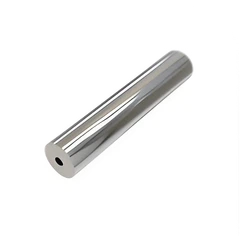
Drawer magnets and grate magnets both use magnetic bars to remove ferrous contaminants from dry powders and granules. The main difference is how the magnetic bars are arranged and installed. When choosing between them, you need to consider your existing equipment and how you want to access the magnets for cleaning.
Drawer Magnet
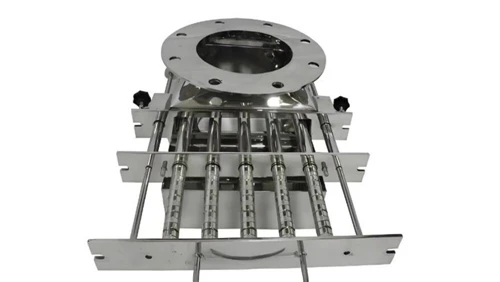
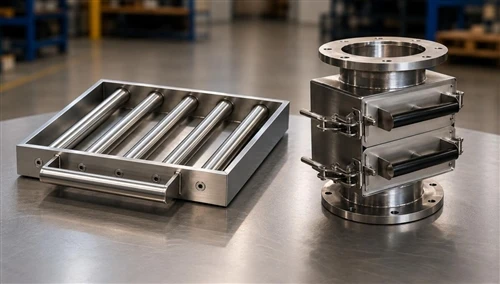
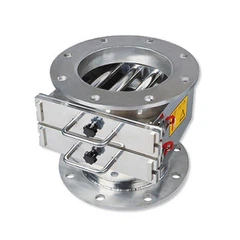
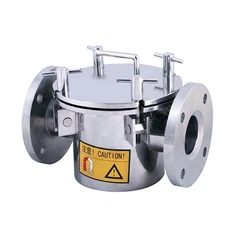
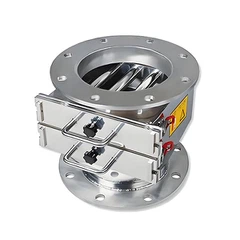
A drawer magnet consists of magnetic bars arranged inside a stainless steel housing. You install it in a processing line, usually between equipment or beneath a hopper. As your material passes through the housing, ferrous particles are attracted to the magnetic bars.
Depending on your requirements, you can choose a single-layer or double-layer design. The magnetic drawer can also be pulled out for cleaning, making it easier to remove collected metal contaminants.
If you need different housing sizes, connections, or magnetic arrangements, you can explore Great Magtech's Drawer Magnet products.
Grate Magnet
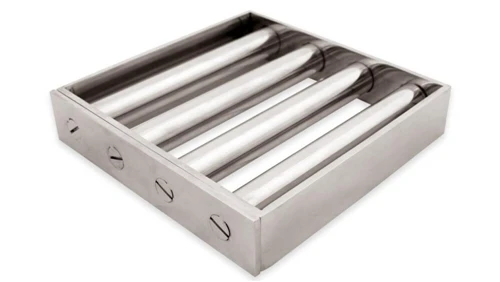
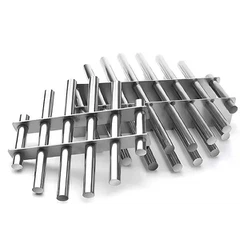
A grate magnet, also called a magnetic grate or magnetic grill, consists of magnetic bars fixed in a frame to form a grid. You typically install it inside a hopper, chute, or bin where dry materials flow by gravity.
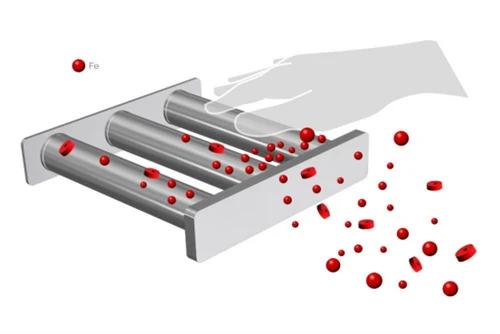
As your material passes through the grate, the magnetic bars attract ferrous particles and hold them on their surfaces. You can remove the grate for cleaning when enough contaminants have collected.
Grate magnets are available in different shapes and sizes to match your equipment. You can select a suitable configuration based on your hopper opening, material flow, and cleaning requirements.
Explore Great Magtech's Grate Magnet product range to see the available designs.
Drawer Magnet vs. Grate Magnet: Key Differences
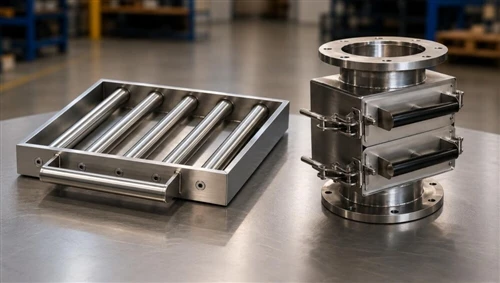
Although both separators use magnetic bars to remove ferrous contaminants, their designs serve different installation needs. A drawer magnet gives you a magnetic assembly inside a housing, while a grate magnet provides a removable grid that you can fit into a suitable hopper or chute.
Here is how they compare across the main features:
| Feature | Drawer Magnet | Grate Magnet |
| Structure | Magnetic bars arranged inside a housing | Magnetic bars arranged in a grid frame |
| Housing & Connections | Integrated housing with defined inlet and outlet connections | Usually installed directly in an existing hopper or chute |
| Magnetic Bar Arrangement | Single or multiple rows, often staggered | Single or multiple grid layers |
| Cleaning Method | Pull-out drawer with manual or easy-clean options | Removable grate with manual or easy-clean options |
| Installation | Requires space for the housing and connections | Requires a suitable opening and support |
| Initial Cost | Generally higher due to the housing and assembly | Often lower for a basic grate configuration |
| Best Fit | Enclosed processing lines | Hoppers, chutes, and accessible gravity-fed openings |
The main difference comes down to installation and design. A drawer magnet gives you a more complete magnetic separation unit, while a grate magnet offers a simpler grid arrangement for an existing material flow point.
However, neither design is automatically more effective. Your actual separation results depend on the magnetic bar design, spacing, field strength, material flow, and the type of metal contaminants you need to remove.
5 Key Factors to Compare Before Choosing
Before choosing between a drawer magnet and a grate magnet, look beyond the product design. Your material, installation space, cleaning needs, and separation requirements all affect which option will work better in your production line.
1. Material Flow and Blockage Risk
Start by checking how your material moves through the equipment. Both drawer magnets and grate magnets work with dry powders and granules, but material flow can affect their performance.
If you handle fine powders or small granules, check the spacing between magnetic bars. The gaps must allow material to pass through while giving ferrous particles a chance to contact the magnetic surfaces.
For materials that tend to clump, bridge, or stick to surfaces, you also need to consider the risk of buildup. A poorly matched grate or drawer arrangement can restrict material flow and cause blockages.
2. Installation Space and Connection
Your existing equipment often determines which magnetic separator is easier to install.
A grate magnet fits directly into a suitable hopper, chute, or bin. You need an opening that matches the grate dimensions and enough support to hold it securely.
A drawer magnet requires more space because it includes a housing with an inlet and outlet. You also need room to pull out the magnetic assembly for cleaning.
If you are adding a separator to an existing production line, check the available space, connection dimensions, and material flow direction before selecting a model.
3. Cleaning and Maintenance
How often you clean your magnetic separator affects daily operation.
With a grate magnet, you usually remove the grid from the hopper or chute to clean the magnetic bars. This requires enough room to lift and handle the grate safely.
A drawer magnet allows you to pull the magnetic assembly out of its housing. Depending on its design, you can also choose an easy-clean mechanism that makes it easier to remove collected metal particles.
For example, an E-Style Magnetic Drawer provides an easy-clean design for applications where regular cleaning is needed.
When comparing the two, consider cleaning frequency, labor time, and whether you need to stop material flow during cleaning. Also plan how to collect removed metal particles so they do not fall back into your production line.
4. Magnetic Strength and Separation Performance
Magnetic strength is important, but a higher Gauss rating does not always mean better separation.
You should also check:
• Magnetic bar arrangement: Bar spacing and layout affect how material passes through the magnetic field.
• Contaminant size: Small iron particles may need different separation conditions from larger metal pieces.
• Material flow speed: Material that moves too quickly may have less contact with the magnetic bars.
• Magnetic field distribution: The field must be suitable for the contaminants you need to remove.
Both drawer magnets and grate magnets can use high-strength magnetic bars. Your choice should depend on the actual separation requirements, not just the product type or Gauss rating.
For difficult applications, test the separator with your actual material before confirming the final design.
5. Initial Cost and Long-Term Value
When comparing drawer magnet vs. grate magnet prices, look at more than the initial purchase cost.
A basic grate magnet often costs less because it has a simpler structure and does not require a complete housing. A drawer magnet may cost more due to its housing, connections, and pull-out assembly.
However, your total operating cost also depends on installation and maintenance.
Consider these expenses:
• Equipment purchase and installation
• Cleaning labor and frequency
• Maintenance and replacement parts
• Production downtime during cleaning
• Changes needed to fit your existing equipment
If you already have a suitable hopper opening, a grate magnet may offer a lower-cost solution. If your production line needs a complete housed unit with specific connections, a drawer magnet may be worth the additional investment.
The better value is the separator that fits your production setup without creating extra installation or maintenance work.
Which Magnetic Separator Should You Choose?
Your choice depends on your existing equipment, material flow, and cleaning requirements. Neither design is right for every production line.
When to Choose a Grate Magnet
A grate magnet may be the better fit if:
You already have a suitable hopper, chute, or bin opening.
You need a simple magnetic grid that you can remove for cleaning.
You have enough space to access and lift the grate during maintenance.
It is a practical option when you want to add magnetic separation without installing a complete housing.
When to Choose a Drawer Magnet
A drawer magnet may suit your production line better if:
You need a complete housing with defined inlet and outlet connections.
You prefer a pull-out magnetic assembly for easier cleaning access.
Your process requires a specific magnetic bar arrangement, multiple layers, or custom dimensions.
You can also consider a customized drawer magnet if standard sizes or connections do not match your equipment.
Before placing an order, prepare your material type, flow rate, inlet dimensions, metal contamination details, and cleaning requirements. These details help you identify a suitable design and avoid installation problems later.
3 Common Mistakes When Selecting Drawer and Grate Magnets
Choosing the wrong magnetic separator can lead to poor separation or extra maintenance work. Before ordering, watch out for these three common mistakes.
1. Selecting a Magnet Based Only on Gauss Rating
A higher Gauss rating does not always mean better metal removal. If you focus only on magnetic strength, you may overlook bar spacing, magnetic field distribution, material flow, and contaminant size. Check these factors together to make sure the separator suits your application.
2. Leaving Too Little Space for Cleaning
A separator may fit your production line but still be difficult to clean. Check the manufacturer's drawings for the space needed to remove the grate or drawer before approving the installation.
3. Ignoring Material Buildup
A separator that works well with dry granules may clog when handling damp or sticky powders. If you process materials that tend to build up, test their flow through the proposed magnet design before ordering.
Conclusion
Choose a grate magnet when your hopper or chute can hold a removable magnetic grid. Choose a drawer magnet when your production line needs a complete housing with inlet and outlet connections. Your material flow and cleaning requirements will help you confirm the right configuration.
Before making your decision, check your material flow, magnetic separation requirements, and available maintenance space.
Not sure which design fits your production line? Contact Great Magtech with your material details, flow rate, and installation dimensions. Our team can help you select a suitable magnetic separator or develop a custom design for your application.
FAQ
Q: Can a grate magnet replace a drawer magnet?
A: Yes, if your existing hopper or chute can support a grate magnet and provides enough space for installation and cleaning. However, if your production line requires a complete housing with specific inlet and outlet connections, a drawer magnet may be a better fit.
Q: Do drawer magnets remove smaller metal particles than grate magnets?
A: Not necessarily. The size of metal particles you can capture depends on magnetic field strength, bar spacing, material flow, and the magnetic properties of the contaminants. You should compare the actual magnetic bar design rather than assume one type performs better.
Q: Can both separators remove stainless steel contamination?
A: Both can remove stainless steel particles if the material has magnetic properties. Ferritic and martensitic stainless steels are generally magnetic, while common austenitic grades such as 304 and 316 are usually weakly magnetic or non-magnetic. If you need to remove stainless steel fragments, test your actual material first.
Q: Can drawer magnets and grate magnets be customized?
A: Yes. You can customize both types to match your equipment and processing needs. Options may include housing or frame dimensions, magnetic bar arrangement, stainless steel grade, connection type, and magnetic strength.
Q: Can drawer magnets and grate magnets handle wet materials?
A: Standard drawer magnets and grate magnets are mainly used for dry, free-flowing materials. For wet or sticky products, you may need a different separator design. Confirm compatibility with your supplier before ordering.
Q: Where should a drawer magnet or grate magnet be installed in a production line?
A: You can install a grate magnet inside a suitable hopper, chute, or bin where material flows by gravity. A drawer magnet is usually installed at a processing line connection, such as beneath a hopper or between equipment. In either case, choose a location where material passes through the magnetic bars and you have enough space for cleaning and maintenance.