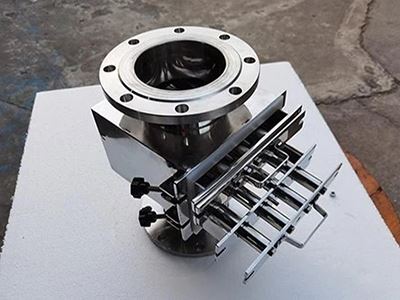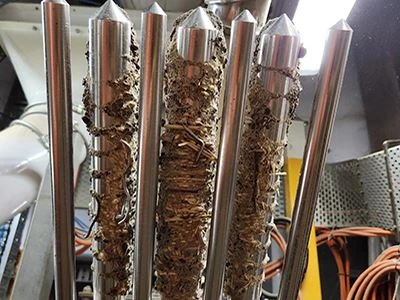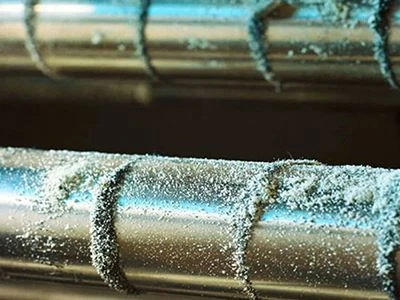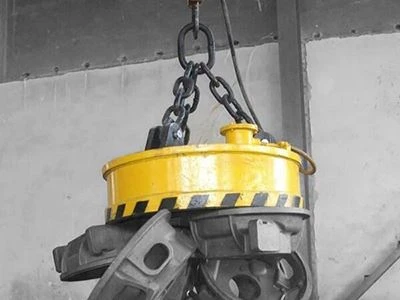







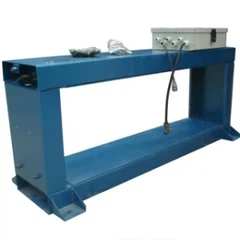
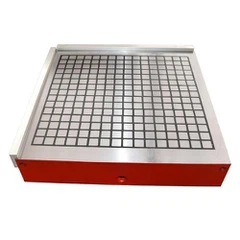


Electromagnetic separators play a vital function in a variety of industries that deal with materials with various degrees of magnetic characteristics. They are specifically designed to eliminate unwanted magnetic particles from the materials improving the purity of products and ensuring equipment longevity.
Industries like the mining industry, battery manufacturing, and ceramics heavily depend on electromagnetic technology separators to ensure that no trace amounts of magnetic impurities are effectively removed. These devices increase the quality of products and streamline production processes by reducing the time it takes to repair contamination.
Importance of Choosing the Right Separator
Choosing the correct electromagnetic separator could have a major impact on operation efficiency. Dry and wet separators have been made to deal with various material conditions. Picking the wrong one can cause unnecessary expenses as well as inefficient separation. Here are some important factors to think about:
Material Type: Wet separators are excellent for liquid-based or slurry materials, whereas dry separators work best for powders and granular materials.
Magnetic Strength Requirements: Depending on the properties of the material the magnetic field strength required could be different. Wet separators typically handle high-intensity tasks, whereas dry separators are made for more precise adjustments.
Operating Environment: Wet separators are more suitable in industries with semi-liquid or liquid substances, while dry separators are better suited to dry or powder-based processes.
Maintenance and Cleaning: Wet separators typically come with automated cleaning systems, which means they are low maintenance for large-volume processes. Dry separators require more hands-on cleaning but are less difficult to maintain.
Cost Efficiency: Selecting the wrong separator could cause higher operational expenses, such as maintenance costs and time spent in downtime. Ensuring the correct fit is a key factor in both efficiency and effectiveness in processing materials.
Wet Electromagnetic Separator

Key Features of Wet Electromagnetic Separator
The wet electromagnetic separator effectively removes tiny magnetic particles from liquid substances. Its stable magnetic induction and capability to handle weak magnetic materials make it extremely reliable for industries that require high purity.
Removes weak magnetic particles
Stable magnetic induction field
Customizable options for screen settings
Application Areas
This separator is employed in battery manufacturing and ceramics to ensure that materials such as lithium slurry and kaolin are contamination-free. It's perfect for industries that require the precise elimination of magnetic particles from the liquid.
Purification of battery material
Processing of quartz and ceramics
Handling liquid slurries
Performance Characteristics
The separator is effective in magnetic fields with high gradients that can be used to capture even the smallest impurities. It also has a robust cooling system to prevent overheating and provides consistent magnetic power.
High-grade magnetic fields
Affordable cooling system
Large slurry volumes are handled
Working Principle of Wet Electromagnetic Separator
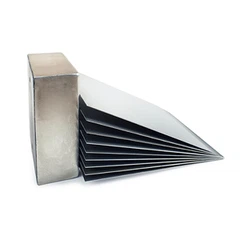
The separator employs an electromagnetic coil to generate the magnetic field. When slurry flows through stacked screens, the magnetic material is trapped. When the screen is filled with water, the system is de-magnetized and cleaned to ensure continuous operation.
Electromagnetic coils in steel shell
Screens are used to capture magnetic material
Quick cleaning cycle
Dry Electromagnetic Separator

Key Features of Dry Electromagnetic Separator
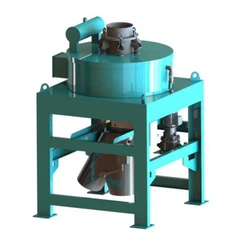
This Dry Electromagnetic Separator efficiently handles powdered material and removes the impurities of magnetic particles at a micron level, making it perfect for industries that require purity to be essential. It's adaptable due to its adjustable screen gaps that allow it to deal with different material characteristics.
Removal of micron-sized impurities
System of Variable Frequency Vibration
Filter cylinder with low-maintenance
Application Areas
The machine excels in mineral processing, chemical materials for new energy, and mineral processing. It is ideal for handling fine powders such as graphite, lithium iron, and zirconium oxide. Even trace impurities could be a problem.
Mineral and energy-related materials
Medical and chemical industries
Applications that are focused on purity
Performance Characteristics
The magnetic field optimization guarantees an efficient separation of magnetic particles while sustaining a high output. The robust excitation coil can last for the capacity to last for more than ten years, providing long-term reliability with very few maintenance interruptions.
Magnetic field strength is optimized
Manages large amounts of material
Long-lasting coil design
Working Principle of Dry Electromagnetic Separator
The separator generates a strong magnetic field that catches magnetic particles while allowing non-magnetic substances to pass through. Dual-symmetric vibration motors ensure that the material moves smoothly, eliminating iron-related impurities.
Effective magnetic particle capture
Smooth material flow and vibrations
Easy cleaning, low maintenance
Comparison: Wet vs. Dry Electromagnetic Separator
|
Feature |
Wet Electromagnetic Separator |
Dry Electromagnetic Separator |
|
Magnetic Field Strength |
3500 - 24,000 Gs |
3500 - 24,000 Gs |
|
Processing Capacity |
5-25 m³/h |
300-1300 kg/h |
|
Weight |
2.9 - 4.2 tons |
2.6 - 3.6 tons |
|
Power Consumption |
11 - 24 KW |
12 - 25 KW |
|
Size (Largest Model) |
1600×1600×1720 mm |
1640×1722×1845 mm |
|
Material Type |
Slurries (e.g., lithium, alumina) |
Powders (e.g., graphite, ceramics) |
|
Best Suited For |
Liquid materials, battery manufacturing |
Dry powders, mineral processing |
|
Similarities between Wet and Dry Electromagnetic Separators Both wet and dry electromagnetic separators share several key similarities that make them effective tools for separating magnetic particles: Magnetic Field Strength: Both types use strong magnetic fields to remove impurities, including weak magnetic substances at the micron level. They ensure high-intensity magnetic fields that allow precise separation. Energy Efficiency: Each separator has energy-efficient systems that maintain a constant current, ensuring stable output despite power fluctuations. This helps reduce power loss and optimize energy usage. Control Systems: Both devices feature advanced PLC control systems with touch screens that allow for fully automated operation and adjustable settings. This ease of operation is crucial for meeting diverse material handling requirements. High Precision: Both wet and dry separators are designed to remove magnetic substances with high precision, enhancing the overall purity of the materials being processed. Their ability to handle fine materials with accuracy ensures effective separation. |
Differences between Wet and Dry Electromagnetic Separators Although they share many similarities, the wet and dry electromagnetic separators have distinct distinctions that are appropriate for specific uses: Material Handling: Wet separators have been specifically designed to handle liquid and slurry materials, making them suitable for industries that deal with fluids, like battery production and ceramics. Separators made of dry material are more appropriate for handling powders and small dry particles, such as graphite and lithium. Maintenance: Wet separators typically require frequent maintenance to manage fluid systems. This contrasts with dry separators, which have simpler maintenance needs. Cooling System: Wet separators often need advanced cooling systems, such as oil or water-based circulation systems, to maintain consistent performance during operation. On the other hand, dry separators have simpler cooling requirements. Material Flow: Wet separators process materials in liquid form, allowing for a smoother and more precise separation process. In contrast, dry separators rely on vibration to move powder materials. |
Choosing the Right Separator for Your Industry
Factors to Consider
Materials Types: A wet electromagnetic separator, such as lithium slurry or alumina-based slurry, would be the best option for liquid products. The dry electromagnetic separator is more efficient for dry powders, such as ceramics or graphite. Separators that are wet process up to 25m3/h, while dry separators can handle up to 800 kg/h.
Magnetic Sensitivity: Separators of wet materials manage small magnetic particles more precisely, particularly within liquid slurries. Dry separators eliminate small impurities from powdered materials with magnetic fields that range from 24,000 Gs.
Operating Costs: Dry separators have larger cooling systems and more fluid handling, making them ideal for larger installations. Dry separators with an estimated weight of 3.6 tonnes and a power usage of around 25 KW are less maintenance-intensive and ideal for small areas.
Industry Recommendations
Batteries Manufacturing: To manufacture substances such as lithium slurry and wet separators work best with their 20-25 m3/h capacity.
Ceramics and Minerals: Dry separators are ideal for kaolin and zirconium oxide powders. They can handle 600-1300 kg/h with ease.
Conclusion
In the end, dry and wet electromagnetic separators can effectively achieve different separation tasks. Wet separators are perfect for handling liquid slurries within industries such as battery manufacturing, and dry separators are superior in processing powders like minerals and ceramics. The decision is contingent on the material's type, processing capability, and operational configuration to ensure the desired performance aligns with your specific industry requirements.