


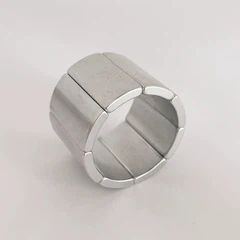


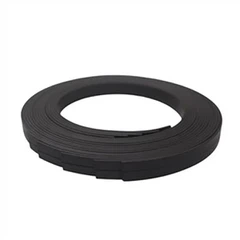

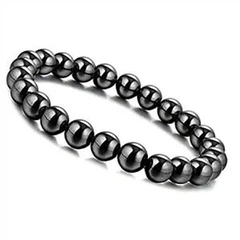



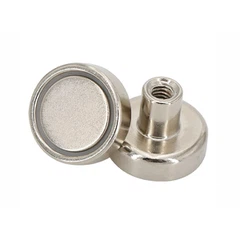

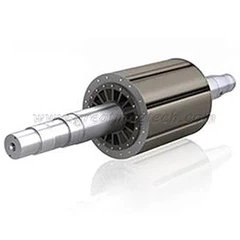



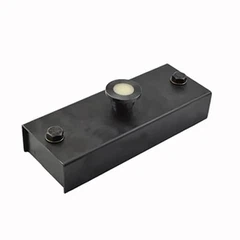

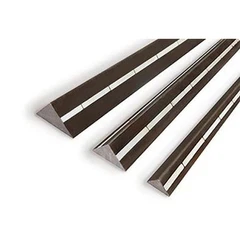






What is Neodymium Magnet?
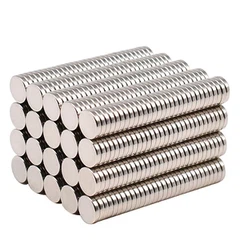
Neodymium magnets have the properties neodymium, iron, and boron. It is a permanent magnet. This alloy consists of tetragonal crystalline Nd2Fe14B. Unlike most commercial magnets, these magnetic magnets are available at a lower cost. Hence magnetic materials can replace many other magnet types in current equipment including motors in cord-operating tools. Neodymium is a ferromagnetic substance that allows us to create magnets. Nevertheless, the Curie temperature (the material that is lost to magnetic force) for this element is very low. The magnetrons exhibit an extremely high magnetic force even at low temperatures. They are used in a variety of applications, from consumer electronics and automotive products to industrial tools and medical devices.
Neodymium magnets are often referred to as rare earth magnets because they contain elements from the rare earth series, such as neodymium, praseodymium, and dysprosium. They are also known as NdFeB magnets (Nd for neodymium and Fe for iron). Neodymium magnets have the highest magnetic strength of all permanent magnets as well as excellent resistance to demagnetization. Their high coercivity makes them more difficult to demagnetize than regular magnets. However, they can be damaged by contact with other magnets and hard surfaces. Neodymium magnets are also more expensive than regular magnets due to their rare earth composition and production process. Overall, neodymium magnets have a superior level of magnetic strength compared to regular magnets and are used in many different applications.
Compared to ferrite magnets, which are made of iron oxide, neodymium magnets are much stronger and have a greater resistance to demagnetization. They can be used in a variety of applications including home appliances, automotive components, medical equipment, industrial machinery, and electronics. Neodymium magnets are also more expensive than ferrite magnets due to the rare earth elements used in their production. Regardless, the strength and versatility of neodymium magnets make them an ideal choice for many applications.
In conclusion, neodymium magnets are stronger than ferrite magnets and offer greater resistance to demagnetization. They are more expensive due to the rare earth elements used in their production, but they can be used in a variety of applications where strength and durability is essential. Understanding the differences between neodymium magnets and ferrite magnets can help you choose the right type of magnet for your project.
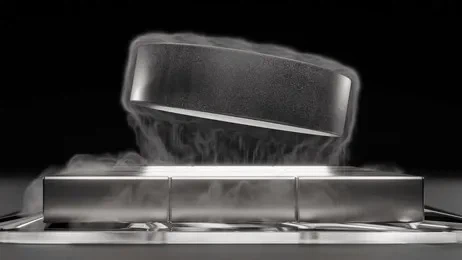
What are the differences between neodymium magnets and ferrite magnets?
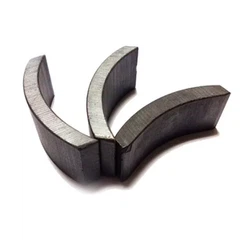
Neodymium magnets and ferrite magnets are two types of permanent magnets. Ferrite is a ceramic material composed mainly of iron(III) oxide. Ferrite magnets are made from a ceramic material and are not as strong as neodymium magnets. Neodymium magnets have exceptionally high remanence, coercivity, and energy product while the regular magnets have a low remanence and energy product, comparatively. But there are two types of ferrite magnets hard ferrites and soft ferrites according to the coercivity (high and low respectively).

Ceramic magnets have long been the preferred choice among manufacturers. Regular magnets, on the other hand, are ceramic magnets that contain ferrite as the major compound. It contains a large percentage of iron(III) oxide along with some other metals such as barium. The primary difference between rare earth magnets and regular magnets is that rare earth magnets are permanent magnets made from rare earth alloys, whereas regular magnets are composed mainly of iron. In terms of power, a rare earth magnet is about 2-7 times stronger than a standard magnet. Permanent magnets are materials that possess a strong magnetic field, with no external source of energy needed to maintain the magnetism.
The magnetic field of a ferrite magnet is weaker than that of a neodymium magnet but they are more resistant to corrosion and can handle higher temperatures. Ferrite magnets are also less expensive than neodymium magnets. Depending on the application, one type of magnet may be better suited than the other. For example, neodymium magnets are ideal for applications that require very high levels of magnetic force while ferrite magnets might be more suitable for situations where cost and temperature resistance an important factors. Ultimately, it's important to consider all factors when deciding which type of magnet to use.
Neodymium magnets and ferrite magnets offer many different advantages, so it's important to consider all factors before making a decision on which type of magnet is best suited for an application. Knowing the differences between these two types of permanent magnets can help you make the right choice for your project. In comparison, a neodymium magnet of the same size as a ferrite magnet is far stronger, so it is recommended in cases where space is limited. The neodymium magnet shows an adhesion up to ten times stronger than the ferrite magnet.
Applications of Rare Earth Neodymium
Rare Earth Neodymium is used in various applications due to its unique magnetic properties. It is often used to produce permanent magnets composed of Neodymium iron boron, allowing for the production of strong magnets that can be used in a variety of industries. One common application of these high-strength magnets is in motor design and electric vehicles, where they are used to create an efficient, powerful motor.
Neodymium magnet is also often used in the production of loudspeakers and headphones, due to their ability to produce a strong magnetic field that can be channeled into sound waves. Moreover, they have applications in medical imaging equipment such as MRI scanners, which use strong magnets to produce images of the body. Lastly, Neodymium magnets are also used in electronic devices such as hard disk drives and computer memory components, where they help control data storage and retrieval. As such, the applications of Rare Earth Neodymium are wide-ranging and its magnetic properties make it an invaluable resource for many industries.

The Disadvantages of Rare-Earth Magnets
Rare-earth magnets provide much higher magnetic energy than other types of magnets and are therefore used in many electronic devices. However, this power comes at a cost. Rare-earth magnets are expensive to produce and require more complex manufacturing processes as compared to other magnet materials such as barium ferrite or ceramic magnetics.
Additionally, rare-earth magnets are brittle and can be easily shattered if exposed to sudden shock or vibration. As a result, they cannot be used in many applications that require strong shock resistance, such as in hard drives for magnetic media storage. The fragility of rare-earth magnets also makes them more challenging to work with than other magnet materials, requiring higher levels of expertise from engineers and technicians who must handle them.
Finally, while rare-earth magnets provide high magnetic power, this power can lead to problems in devices where too strong of a field is undesirable. This can cause interference with other components or create safety risks in consumer products. As such, rare-earth magnets should be used with caution in any application that requires precise and delicate control of magnetic fields.