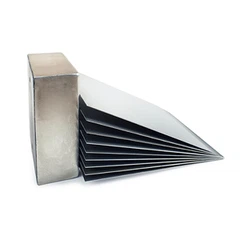
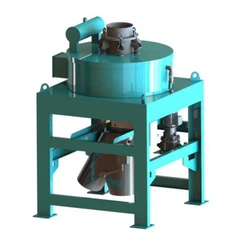

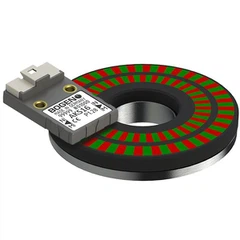
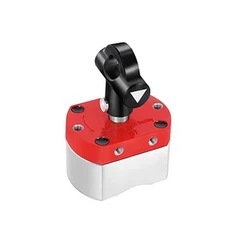

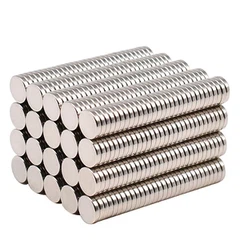
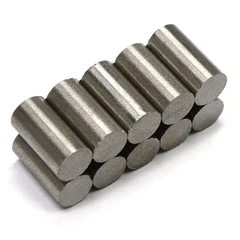
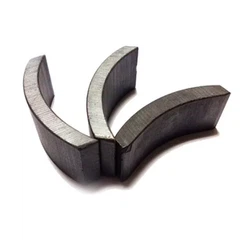
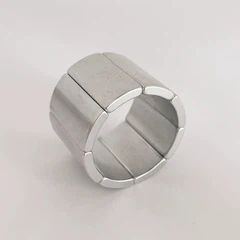

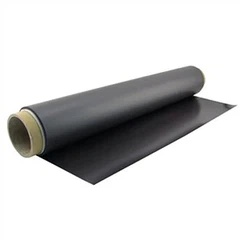
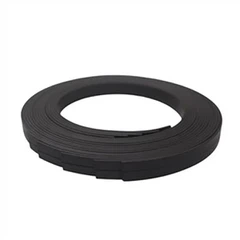

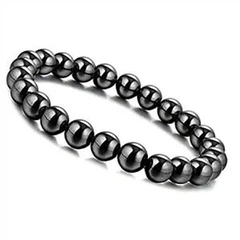





Magnetic materials are very special materials widely used in fields such as magnetic disks and electric vehicle motors. There are quite a lot of types of magnetic materials, and NdFeB magnets are one of the important magnetic materials. NdFeB magnets are widely used in many fields, but people need to clarify a very important question before using them: What are the differences, advantages, and disadvantages of sintered NdFeB and bonded NdFeB?
Types of NdFeB Magnets
NdFeB magnets can be divided into two types according to different manufacturing processes: sintered NdFeB and bonded NdFeB. Below we will introduce in detail the difference between sintered NdFeB and bonded NdFeB.
Sintered NdFeB
Sintered NdFeB can be said to be the earliest method of manufacturing NdFeB magnets. The raw materials of the magnets are neodymium, iron, boron, etc. First, the powders of neodymium, iron, and boron are mixed in a certain chemical ratio to obtain a mixture. A mixture sample is then added to a mold and subjected to pressure processing until the sample gradually changes into a needle shape. This shape can provide sufficient surface area and gaps between each other to provide a better adsorption capacity for the sample to facilitate the subsequent calcining step. In this step, one of the processes is called sintering. In this process, the sample is heat treated under high temperature and pressure to sinter it into a block, thereby completing the purification of the shape and the formation of the microstructure. This treatment, based on furnace temperature, is a critical manufacturing step that determines the magnet's structure and properties.

Bonded NdFeB
The manufacturing method of bonded NdFeB is slightly different from that of sintered NdFeB. First, raw materials such as neodymium, iron, and boron are mixed to form small-particle magnetic powder, which is easier to operate and process into various shapes than sintered neodymium-iron-boron powder. The magnetic powder sample is then added to a mold, pressed, and dried at 350 to 400°C. The next process is called bonding. In this process, the magnet sample in the mold continues to be heated to 1000°C. Under high temperature and high pressure, the sample is melted and formed into a specific shape in the stainless steel mold.

The Difference Between Sintered NdFeB and Bonded NdFeB
1. The mechanical properties of bonded NdFeB magnets are relatively weak, but they have better processing properties and can be processed into various shapes, especially parts with complex shapes. The mechanical properties of sintered iron boron are relatively strong, but its shape is generally simple.
2. The performance of bonded NdFeB magnets is relatively more reliable because the sample undergoes fewer links during processing, so its manufacturing process is more stable. Sintered NdFeB is more demanding in the manufacturing process, especially the sintering step, which will significantly affect the magnetic properties of the sample.
3. The process cost of sintered NdFeB magnets is higher, while the cost of bonded NdFeB magnets is lower because it can achieve mass production and reduce the specific need for customized substitutes in manufacturing.
4. Sintered NdFeB magnets have strong corrosion resistance. Compared with bonded NdFeB magnets, their ability to resist oxidation and corrosion is better.
5. The magnetic properties of sintered NdFeB magnets are more stable, while the performance of bonded NdFeB magnets has certain differences due to different processing and manufacturing processes.
6. Bonded NdFeB magnets have better heat resistance at high temperatures and can withstand higher operating temperatures, while sintered NdFeB magnets have lower heat resistance.
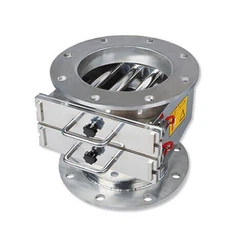
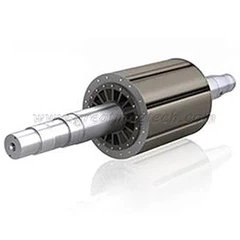
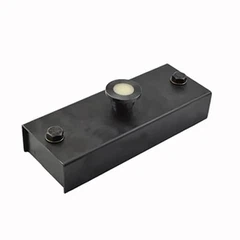
Sintered NdFeB is mainly used in electronics, motors, medical equipment, toys, packaging, hardware machinery, aerospace, and other fields, such as permanent magnet motors, speakers, magnetic separators, computer disk drives, magnetic resonance imaging equipment and instruments, etc. Bonded NdFeB is widely used in automobiles, electronics, communications, medical equipment, and other fields, such as office automation equipment, electrical machinery, audio-visual equipment, instrumentation, small motors, and measuring machinery.
Overall, the choice of material depends on the specific application scenario and performance requirements. Sintered NdFeB is widely used in fields requiring high-performance magnets due to its high magnetic properties. At the same time, bonded NdFeB is suitable for permanent magnet devices with complex shapes and high dimensional accuracy requirements due to its low cost and good processing performance.