









Plastic recycling lines often handle mixed and unpredictable materials. Bottles, films, containers, flakes, regrind, and plastic pellets may carry screws, wire, staples, or small iron pieces from collection, sorting, or crushing.
If these metals stay in the material flow, they can damage shredders, granulators, extruders, and molds. They may also lower the quality of recycled plastic.
That is why many recycling plants use a magnetic separator for plastic recycling. The right equipment helps remove ferrous metal before it causes problems. In this guide, you will learn how to choose a plastic recycling magnetic separator based on your material, process, and line layout.
Key Takeaways
Magnetic separation protects equipment and improves product quality. Even small metal particles can cause defects or damage if not removed.
Choose a separator based on your material, contamination level, and process. Matching the right type to your workflow ensures stable performance without unnecessary complexity.
Why Metal Removal Matters in Plastic Recycling
Metal in the plastic stream can affect both equipment and recycled material quality. Screws, nails, wire, staples, and small iron pieces often enter with mixed waste plastics. After shredding or grinding, some pieces become smaller and harder to notice.
If they stay in the process, they may chip blades, block screens, scratch extruder screws, or leave dark marks in recycled pellets. These problems are not always serious at first, but they can build up over time and increase maintenance work.
For this reason, many plastic recycling lines use magnetic separators before shredding, after grinding, or before extrusion, depending on where metal is most likely to cause problems.
Understand Your Plastic Recycling Process First
Before choosing a magnetic separator for plastic recycling, look at where the plastic is in the process. Metal problems are different before shredding, after grinding, and before extrusion.
Before Shredding or Crushing
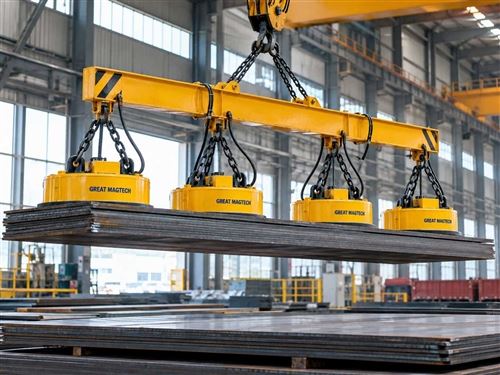
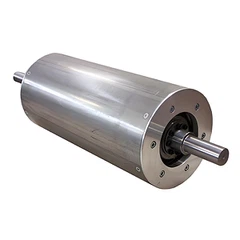
At this stage, plastic waste may still contain screws, wire, nails, clips, or other larger metal pieces. An overband magnet or magnetic drum is often used near the conveyor to remove ferrous metal before it reaches the shredder or crusher.
After Grinding or Granulation
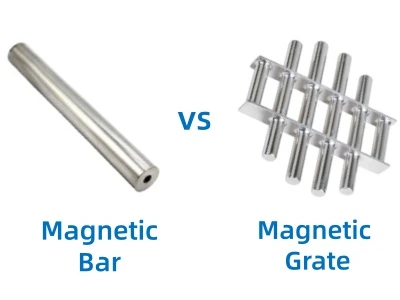
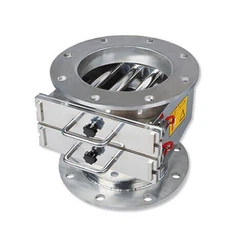
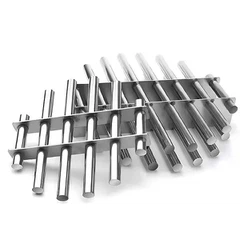
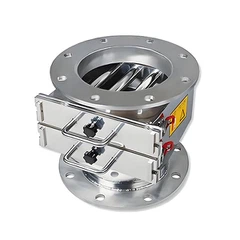
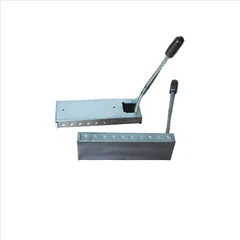
After size reduction, metal pieces may become smaller and mix with plastic flakes or regrind. A drawer magnet, magnetic grate, or drum separator can be used here to catch smaller iron particles from the material flow.
Before Extrusion or Pelletizing
Before extrusion, the material is closer to final processing. Fine ferrous particles may affect screens, screws, or pellet quality. Many lines add magnetic separation before the extruder or pelletizer as a final check for iron contamination.
Match the Separator to Plastic Material Type
Plastic materials behave differently in a recycling line. Check the material form before choosing a magnetic separator.

Food Grate Magnet
Send Inquiry Now

Grate Hopper Magnet
Send Inquiry Now

Magnetic Drawer
Send Inquiry Now

Magnetic Liquid Traps
Send Inquiry Now

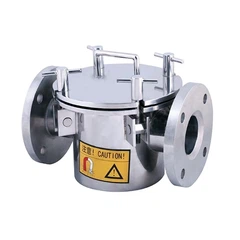
Pipeline Magnetic
Send Inquiry Now

Suspended Plate Magnet
Send Inquiry Now

Drum Magnetic Separator
Send Inquiry Now

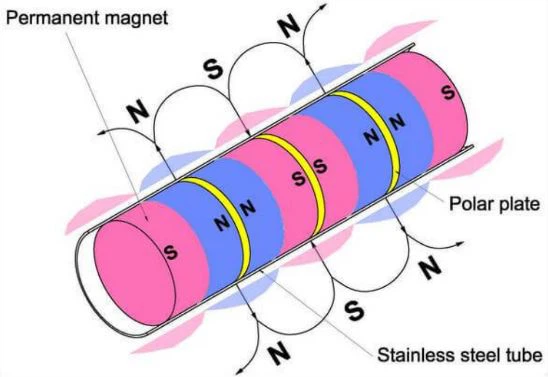
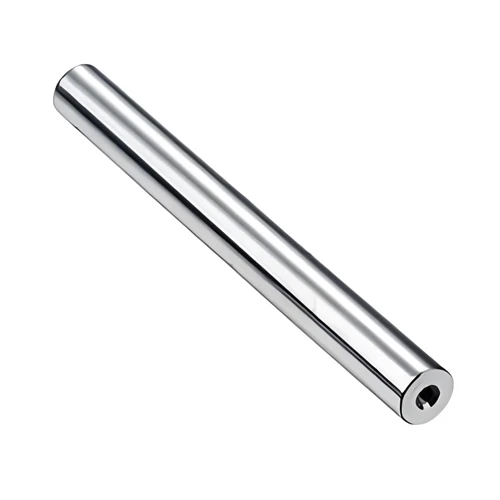
Magnetic Rods
Send Inquiry Now
Plastic Flakes: Plastic flakes are flat and uneven, often from crushed bottles, films, or packaging. Magnetic grates, drawer magnets, or drum separators can remove small iron pieces, depending on flow and space.
Plastic Regrind: Plastic regrind often comes from sprues, runners, rejected parts, or crushed plastic scraps. It may carry fine metal from cutting, grinding, or machine wear. For this material, drawer magnets and magnetic grates are commonly used in hoppers, chutes, or feeding points.
Plastic Pellets: Plastic pellets usually flow more evenly than flakes or regrind. A hopper magnet, drawer magnet, or magnetic grate can be installed before feeding, extrusion, or molding. This helps catch ferrous particles before pellets enter the next machine.
Plastic Resin: Plastic resin may have a lower contamination risk, especially when handled in a cleaner system. Still, recycled resin or transferred resin can pick up metal from storage, conveying, or handling equipment. A simple magnetic separator is often enough for this type of material.
Plastic Powder: Plastic powder needs better sealing and dust control. If the powder moves through an enclosed conveying line, a pipeline magnet may be more suitable. The design should allow powder to pass close to the magnetic surface without leaking or building up.
Mixed Plastic Waste: Mixed plastic waste is the least predictable. It may include bottles, films, labels, caps, dirt, and larger tramp metal. At this stage, overband magnets or magnetic drum separators are often used before shredding, crushing, or sorting.
Choose by Contamination Level and Metal Size
The amount and size of metal in the plastic stream should be checked before selecting magnetic separation equipment. A line handling clean pellets does not face the same problem as a line processing dirty mixed waste.
Large Tramp Metal
Large tramp metal is easier to see, but it can cause damage quickly. Screws, nails, wire, and metal caps may enter with bottles, films, or post-consumer plastic waste. These pieces should be removed before they reach high-speed cutting parts.
Fine Ferrous Particles
Fine ferrous particles are harder to notice. They may come from worn blades, grinding friction, or earlier processing steps. These particles can stay mixed with flakes, regrind, or powder and may only appear later as black spots or quality defects.
High-Contamination Plastic Waste
High-contamination waste needs closer checking at more than one point. Metal may enter at sorting, feeding, crushing, and transfer stages.
Low-Contamination Plastic Pellets
Low-contamination pellets usually need a simpler check. The main concern is small iron picked up during storage, conveying, or material handling.
Choose by Installation Position
The installation position affects how well a magnetic separator fits into a plastic recycling line. Before choosing a model, check the available space, material direction, feeding height, and cleaning access.
Conveyor Lines
Conveyor lines are common before shredding, crushing, or sorting. If the material moves on an open belt, the separator should be placed where the plastic layer is not too thick. A thick material bed can make buried metal harder to reach.

Hoppers and Chutes
Hoppers and chutes are often used before feeding, grinding, extrusion, or storage. In these positions, the material usually falls by gravity. The separator needs enough contact area, but it should not block the plastic flow or make cleaning difficult.
Pneumatic or Enclosed Conveying Lines
For enclosed conveying lines, sealing and connection size matter. Plastic powder, resin, or pellets may move through pipes, so the magnetic separator should match the pipe diameter and allow inspection without major disassembly.
Existing Compact Recycling Lines
Older or compact lines may have limited space for new equipment. In this case, check the frame size, inlet and outlet direction, and whether daily cleaning can still be done safely.
Magnetic Separator Selection Table for Plastic Recycling
| Plastic Recycling Condition | Common Metal Problem | Possible Separator Option | Notes |
|---|---|---|---|
| Mixed plastic waste before shredding | Screws, nails, wire, caps, and other larger metal pieces | Overband magnet or magnetic drum separator | Used when material moves on a conveyor before size reduction. |
| Plastic flakes after crushing | Small iron pieces mixed with uneven flakes | Magnetic grate, drawer magnet, or drum separator | Check material thickness and flow rate before selection. |
| Plastic regrind from sprues or rejected parts | Fine metal from cutting, grinding, or machine wear | Drawer magnet or magnetic grate | Often installed near hoppers, chutes, or feeding points. |
| Plastic pellets before extrusion or molding | Small ferrous particles from storage or conveying | Hopper magnet, drawer magnet, or magnetic grate | Suitable when the material flows evenly. |
| Plastic powder in enclosed lines | Fine iron particles and dust mixed with powder | Pipeline magnet | Sealing, connection size, and cleaning access should be checked. |
| High-contamination recycling line | Metal may appear at several process points | Multiple magnetic separation points | One checkpoint may not be enough for dirty or mixed material. |
| Compact recycling line with limited space | Metal risk remains, but space is restricted | Custom magnetic separator design | Inlet, outlet, frame size, and maintenance space should be confirmed. |
Choose by Cleaning and Operation Needs
Cleaning is often ignored when choosing a magnetic separator for plastic recycling, but it affects daily use. If the separator is hard to clean, operators may delay cleaning or miss trapped metal.
Manual-clean designs are simple and usually cost less. They can work for smaller lines or low-contamination plastic materials. But they need the line to stop during cleaning, and the operator must remove the collected metal by hand.
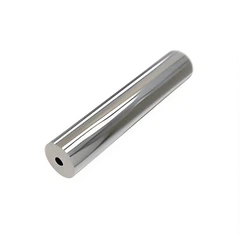
Easy-clean designs are more practical when metal needs to be removed often. The operator can pull out the magnetic core or cleaning sleeve, so trapped iron falls away more easily. This reduces cleaning time, but the separator still needs regular checking.
For high-volume recycling lines, operation time matters. If the line runs for long shifts, you should check how often the separator needs cleaning, whether it can be reached safely, and whether the collected metal will affect material flow.
FAQ
Q: Do plastic recycling lines always need more than one separator?
A: Not always. It depends on the material source, contamination level, and process layout. Cleaner materials may only need one checkpoint.
Q: Does a stronger magnetic force always mean better results?
A: No. Contact distance, material flow, metal size, and installation position also affect the result.
Q: How do I know when the separator needs cleaning?
A: Check the collected metal during operation. If buildup becomes heavy or affects material flow, cleaning should be done sooner.
Q: Can one magnetic separator handle different plastic materials?
A: Sometimes yes, but it depends on the material flow. Flakes, pellets, powder, and mixed waste may need different structures.
Q: Will a magnetic separator slow down the recycling line?
A: It should not, if the inlet, outlet, and flow area match your production capacity. Poor sizing may cause blockage or material buildup.
Q: Can magnetic separators work in high-temperature plastic processing?
A: Some can, but the magnet grade must match the temperature. High heat may reduce magnetic performance if the wrong material is used.
Q: Is stainless steel housing necessary?
A: Stainless steel housing is common in many plastic recycling lines. It resists rust and is easier to clean than painted carbon steel.
Q: Can magnetic separators be made for OEM equipment?
A: Yes. Magnetic separators can be supplied with custom dimensions, private label options, packing requirements, and structure changes for OEM or equipment integration projects.
Conclusion
Choosing a magnetic separator for plastic recycling is not always a one-time decision. Plastic type, metal size, contamination level, and installation position can all affect the result. Flakes, pellets, powder, and mixed waste often need different designs.
In many recycling lines, more than one separator may be used at different points.
Great Magtech manufactures several types of magnetic separators for plastic recycling. Custom sizes, connection designs, and cleaning structures can be made based on your material flow and installation space.
If you are comparing options, you can share your material type, process layout, and basic requirements with Great Magtech for a more suitable recommendation.