




















Magnetic Flux Density: Shaping Speaker Performance
Speaker magnetic density, often referred to as magnetic flux density or magnetic induction intensity, is one of the most significant variables influencing the performance and sound quality of speakers. It evaluates how well a speaker converts electrical impulses into audible sounds. To choose and provide high-quality goods, companies in the audio equipment sector, especially business-to-business (B2B) vendors, need to understand this idea. Speaker magnetic density influences the entire performance and design of the speaker in addition to propulsion, sensitivity, and power output.
The importance of speaker magnetic density, How it impacts speaker performance, And how it influences efficiency and design will all be covered in detail in this article. Regardless of your position in the audio industry manufacturer, distributor, or enthusiast-this knowledge will empower you to confidently choose and maximize speakers.
What is Speaker Magnetic Density?

The intensity of a speaker's internal magnetic field, expressed in Tesla (T), is known as speaker magnetic density or magnetic flux density. The speaker's capacity to transform electrical data into sound waves depends heavily on this feature. The speaker's voice coil and the magnetic field interact to cause the diaphragm to vibrate. Sound waves are created by these vibrations. The magnetic flux density is crucial to this process's effectiveness and caliber.
To maximize speaker performance across a range of applications, producers and business-to-business purchasers must comprehend the influence of magnetic density. High magnetic density guarantees clear and accurate audio output, Which is crucial for producing high-quality music in professional sound systems like those used in recording studios and concert venues. On the other hand, sound quality and energy efficiency-both of which may be impacted by magnetic density-must be balanced in home or portable audio systems.
The size, weight, and dependability of the speaker are among the other factors that are impacted by selecting the appropriate magnetic density. Compact designs without performance compromise are often made possible by higher magnetic densities. By reducing distortion and increasing energy economy, it may also increase the speaker's longevity, Which makes it an important consideration in speaker design and production.
Key Roles of Speaker Magnetic Density
Enhancing Thrust and Power
The magnetic flux density is the force behind the push of a speaker. Greater power production is produced by a larger force acting on the diaphragm due to a higher magnetic density. This guarantees lively and strong audio transmission.
Professional sound systems, for example, use high magnetic density to raise decibel levels without sacrificing sound quality. This feature is essential for applications requiring strong audio output, such as public address systems, live concerts, and theaters.
Boosting Sensitivity
Magnetic density is closely related to sensitivity, which is the capacity of a speaker to transform electrical power into sound power. Speakers may generate louder sounds with the same amount of electricity because higher magnetic densities lead to better sensitivity.
This feature is particularly useful in applications like public address (PA) systems and portable music players where energy saving is a top concern. High-sensitivity speakers are perfect for battery-operated gadgets and energy-conscious applications because they guarantee optimum performance even with low-power amplifiers.
Improving Sound Quality
A speaker's transient response, which gauges how fast it can react to audio impulses, is greatly influenced by magnetic density. Generally speaking, a greater magnetic density results in a lower overall quality factor (Q value), which enhances transient reactions.
This implies that speakers can accurately capture complex musical subtleties. This quality is especially advantageous for instruments with rapid attack and decay, like violins and drums. The speaker's high magnetic density enables it to manage abrupt signal shifts, guaranteeing that the nuances of intricate musical compositions are accurately conveyed.
Low-Frequency Performance
High-quality speakers are known for their deep, resonant bass, and magnetic density is essential to producing this sound. The diaphragm is effectively driven by a powerful magnetic field, which improves the speaker's capacity to reproduce low-frequency sounds.
High magnetic densities are necessary for home theater systems and subwoofers to provide rich sounds. The end effect is a strong bass that gives movies, music, and video games depth and richness, resulting in a realistic and captivating soundscape.
Speaker Design Considerations
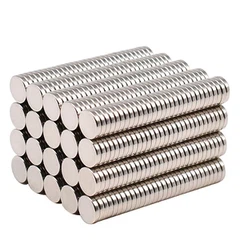
The performance and design of speakers are greatly influenced by magnetic density. Strong magnets that can generate strong magnetic fields in small spaces, such as neodymium iron boron (NdFeB), are utilized extensively. Without sacrificing sound quality, these materials allow manufacturers to design compact, portable, and fashionable speaker systems.
The need for high-performance but portable audio equipment is met by contemporary solutions. Manufacturers can achieve improved energy economy, less distortion, and consistent sound quality by using high-density magnets; these developments are crucial for today's professional and portable audio systems.
Efficiency and Distortion Reduction
Strong magnet speakers are more efficient and have less distortion. This is especially crucial for high-frequency applications where accuracy is essential, such as tweeters. Speakers with high efficiency make sure that energy is used efficiently, reducing waste and heat production.
Sound quality is further improved by distortion reduction, which guarantees clearer and more accurate audio reproduction. This is crucial for high-fidelity audio systems when preserving the original sound quality is crucial.
Comparing Magnetic Materials in Speakers
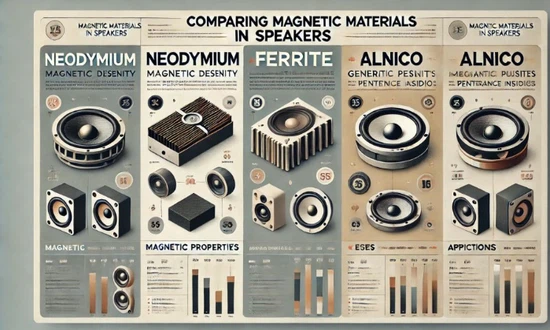
The performance and appropriateness of various magnetic materials for certain uses differ. A comparison of the most often used materials may be seen below:
| Material | Magnetic Density | Weight | Cost | Applications |
| Neodymium | High | Light | Expensive | High-end and compact designs |
| Ferrite | Moderate | Heavy | Affordable | General-purpose speakers |
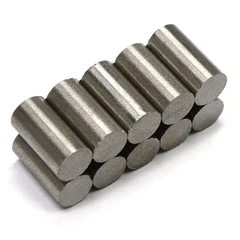
| Alnico | Low to Moderate | Medium | Expensive | Vintage and specialty designs |
Neodymium: The preferred material for high-end and portable devices, neodymium is renowned for its exceptional magnetic strength and lightweight characteristics. Advanced speaker designs that strike a balance between mobility and performance are made possible by their small size.
Ferrite: Although heavier than neodymium, ferrite is an affordable option for many uses. It is often seen in inexpensive speakers that put the economy first without compromising dependability.
Alnico: Preferred in niche markets because of its distinct tonal characteristics and mild magnetic density. Alnico magnets are often used in vintage and specialized speakers to replicate vintage sound characteristics.
Frequently Asked Questions (FAQs)
1. What is the ideal magnetic density for a high-performance speaker?
The ideal density depends on the application but typically ranges from 1.0 to 1.5 Tesla for premium speakers. Higher densities are preferred for professional-grade equipment to ensure superior performance.
2. How does magnetic density affect speaker size and weight?
Higher magnetic density allows for compact and lightweight designs without compromising performance. This is particularly advantageous for portable speakers and modern audio equipment.
3. What are the most common materials used for speaker magnets?
Neodymium, ferrite, and Alnico are the most commonly used materials, each offering unique advantages based on performance requirements, cost, and design considerations.
4. How can you measure magnetic density in a speaker?
Magnetic density can be measured using a Gauss meter, a device that provides precise readings of the magnetic field strength.
5. Why is magnetic density important for bass performance?
Higher magnetic density enhances the speaker's ability to drive the diaphragm at low frequencies, resulting in deeper and more resonant bass output.
Conclusion
Superior sound performance is mostly dependent on speaker magnetic density, which affects everything from efficiency and design to propulsion and sensitivity. Both producers and consumers may choose items that best suit their requirements by knowing how magnetic density works.
This information is crucial for B2B distributors and dealers in helping customers choose speakers that provide the best value, performance, and longevity. Using the concepts of magnetic density in your home theater, portable electronics, or professional sound system design may improve user experiences and expand your audio options.
Investigate speakers with the best magnetic density to attain unmatched sound quality and client pleasure in the cutthroat audio industry of today.