




























Magnets possess an enchanting allure, captivating our imagination with their mysterious forces. In the world of magnets, two prominent types reign supreme: permanent and temporary.
Understanding the distinctions between these magnetic powerhouses is crucial for unraveling their potential applications and unlocking their hidden potential.
In this article, we embark on a journey to demystify these magnet types, shedding light on their unique characteristics and real-world implications.
Permanent and temporary magnets each possess distinct properties and behaviors, making them suitable for diverse uses. While permanent magnets retain their magnetic field indefinitely, temporary magnets exhibit magnetism only under specific conditions.
Familiarizing With The Concepts Of Temporary And Permanent Magnets
The answer to "What is temporary magnetism?" revolves around materials that can acquire magnetic properties temporarily, whereas permanent magnetism involves substances with inherent magnetic qualities.
Throughout this article, we will delve deep into the realm of magnets, uncovering the secrets behind temporary and permanent magnetism. We will explore the defining characteristics of each magnet type, including their magnetization processes, strengths, and applications.

introducing magnets - temporary and permanent magnet
By the end, you will comprehensively understand these magnetic wonders and appreciate their significance in various fields.
So, let us embark on this magnetic odyssey, where we will unravel the captivating nature of permanent and temporary magnets.
From electromagnets to magnetic resonance imaging machines, these magnetic powerhouses leave an indelible mark in our world, forever captivating our curiosity and pushing the boundaries of technological innovation.
Click here to learn more about the types of magnets.
Understanding Temporary Magnets
Temporary magnets, as the name suggests, exhibit magnetism under specific conditions and lose their magnetic properties once those conditions cease. Let's explore the key aspects of temporary magnets and gain insight into their behavior and applications.
Definition and Concept
Temporary magnets are materials that can be magnetized when exposed to an external magnetic field but lose their magnetism when the external field is removed. This phenomenon is known as temporary magnetism.
Unlike permanent magnets, which possess their magnetic field inherently, temporary magnets require an external influence to exhibit magnetic properties.
Factors Influencing Temporary Magnetism
Materials that Exhibit Temporary Magnetism
Temporary magnetism is observed in materials with magnetic domains that align when exposed to an external magnetic field. Common materials displaying temporary magnetism include iron, nickel, and cobalt, along with their alloys.

what is temporary magnetism? Metals
Role of Ferromagnetic Substances
Ferromagnetic substances like iron play a crucial role in temporary magnetism. These substances contain unpaired electrons that can align their spins in an external magnetic field, leading to temporary magnetization.
Key Characteristics of Temporary Magnets
Low Coercivity and Remanence
Temporary magnets have relatively low coercivity, which refers to their ability to resist demagnetization. They also exhibit low remanence, indicating the residual magnetism they retain once the external field is removed. These characteristics distinguish temporary magnets from their permanent counterparts.
Magnetization Through External Influence
A temporary magnet requires exposure to an external magnetic field to induce temporary magnetism. The material aligns its magnetic domains in response to this field, resulting in temporary magnetization. The alignment dissipates once the external field is removed, and the material loses its magnetism.
Real-World Examples of Temporary Magnets
Electromagnets in Industries
Temporary magnets find extensive use in industries through the creation of electromagnets. Passing an electric current through a coil wound around a ferromagnetic core induces temporary magnetism, allowing for precise control over the magnetic field.
Electromagnets are utilized in machinery, electric relays, magnetic locks, and magnetic cranes.

Alt text - electromagnets as examples of temporary magnet
Magnetic Separators
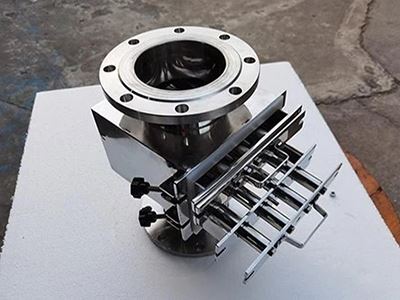
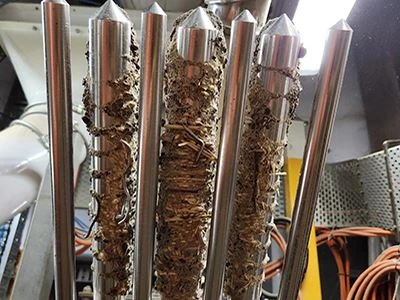
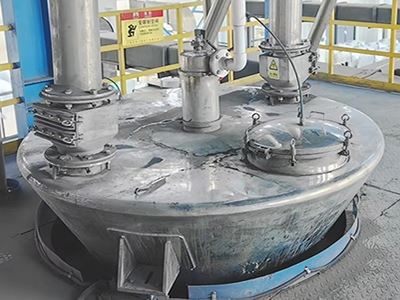
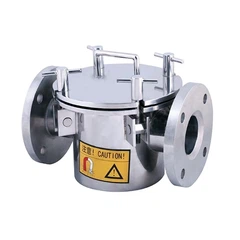
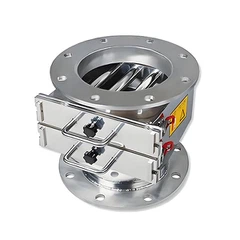
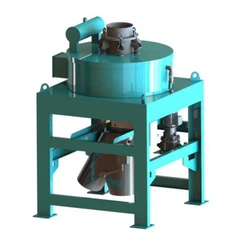
Temporary magnets play a crucial role in magnetic separators. These devices use temporary magnetism to attract and separate magnetic materials from non-magnetic substances in various industries, including mining, recycling, and food processing.
Magnetic Resonance Imaging (MRI) Machines
In the medical field, temporary magnets are integral to the functioning of MRI machines. These devices produce detailed images of internal body structures by employing powerful temporary magnetic fields, aiding in diagnosis and medical research.

MRIs as examples of temporary magnet
Temporary magnets offer versatility and control, making them indispensable in numerous applications. Their ability to manifest magnetism under specific conditions allows for precise manipulation of magnetic fields and opens doors to technological advancements across various industries.
As we dive deeper into the realm of magnets, we must now turn our attention to permanent magnets. In the next section, we will explore their characteristics, strengths, and the remarkable ways they contribute to our daily lives.
Exploring Permanent Magnets
Permanent magnets stand in contrast to temporary magnets by retaining their magnetic field even without the presence of an external magnetic influence. Let's delve into the realm of permanent magnets to understand their unique properties and applications.
Definition and Concept of Permanent Magnets:
Permanent magnets are materials that possess an intrinsic magnetic field, allowing them to generate and maintain magnetism without the need for external stimulation. Unlike temporary magnets, which require an external magnetic field to exhibit magnetism, permanent magnets are self-sustaining in their magnetic properties.
Factors Contributing to Permanent Magnetism:
Materials with Permanent Magnetism:
Permanent magnetism is observed in specific materials, with the most commonly known being certain types of iron, nickel, and cobalt alloys, such as alnico and rare-earth magnets (neodymium and samarium-cobalt magnets). These materials have aligned magnetic domains, resulting in their inherent magnetic properties.
Alignment of Magnetic Domains:
The key to permanent magnetism lies in the alignment of magnetic domains within the material. These domains are regions where atomic magnetic moments align in the same direction. The magnetic domains are naturally aligned in permanent magnets, creating a strong and sustained magnetic field.
Key Characteristics of Permanent Magnets:
High Coercivity and Remanence:
Permanent magnets exhibit high coercivity, meaning they possess strong resistance to demagnetization. This characteristic enables them to maintain their magnetic field over an extended period.
Additionally, permanent magnets have high remanence, indicating the level of residual magnetism they retain after being magnetized.
Self-Sustaining Magnetic Field:
Unlike temporary magnets that rely on external magnetic fields, permanent magnets generate and sustain their magnetic field without external aid. The alignment of magnetic domains within the material allows for a continuous and self-sustaining magnetic field.

magnetic fields and permanent Magnets
Real-World Applications of Permanent Magnets:Electric Motors and Generators:
Permanent magnets play a vital role in electric motors and generators. By utilizing the magnetic field generated by permanent magnets, these devices convert electrical energy into mechanical energy and vice versa.
They are widely used in various applications, including electric vehicles, wind turbines, and household appliances.
Magnetic Storage Devices:
Permanent magnets find application in magnetic storage devices, such as hard disk drives (HDDs) and magnetic tapes. The magnetic field of the permanent magnet is used to write and store digital information on the magnetic medium, allowing for data retrieval and storage.

Alt text - permanent Magnets used in storage devices
Loudspeakers and Headphones:
The captivating sound we enjoy from speakers and headphones is made possible using permanent magnets. They are an essential component in audio devices, providing the magnetic field required for the motion of the diaphragm, resulting in sound reproduction.

Alt text - loudspeakers as an example of Permanent Magnet
Permanent magnets showcase remarkable characteristics and find widespread application in our daily lives. Their ability to independently generate and maintain a magnetic field makes them indispensable in various industries and technologies.
In the next section, we will compare temporary and permanent magnets, highlighting their differences in strength, magnetization process, applications, availability, and environmental impact. This comparative analysis will comprehensively understand these two magnet types and their respective advantages and limitations.
Permanent Magnet vs. Temporary Magnet: A Comparative Analysis
Comparing temporary and permanent magnets allows us to appreciate each type's unique characteristics and applications. Let's explore the key differences between these magnet types, shedding light on their strengths, magnetization processes, applications, availability, and environmental impact.
Strength and Durability:
Temporary magnets generally have lower magnetic strength compared to permanent magnets. Their magnetic fields are less intense and exhibit lower coercivity, making them more susceptible to demagnetization. As a result, temporary magnets may require frequent re-magnetization or external magnetic fields to maintain their magnetic properties.
On the other hand, permanent magnets possess stronger magnetic fields and higher coercivity, allowing them to retain their magnetism for longer durations. They offer durability and stability, maintaining their magnetic properties without external influence.
Magnetization Process:
Temporary magnets are magnetized through the influence of an external magnetic field. When the external field is applied, the magnetic domains within the material align, inducing temporary magnetism. However, the alignment dissipates once the external field is removed, and the material loses its magnetism.
Permanent magnets are inherently magnetized due to the alignment of their magnetic domains during manufacturing. This alignment remains stable and persists even without an external magnetic field. Permanent magnets are typically produced using heating, cooling, or exposure to strong magnetic fields.
Applications and Versatility of Temporary and Permanent Magnets:
Temporary magnets find applications in scenarios that require temporary magnetism and precise control over magnetic fields.
They are widely used in electromagnets, magnetic separators, and devices like magnetic resonance imaging (MRI) machines. Temporary magnets offer versatility in manipulating and modulating magnetic fields for specific purposes.
Permanent magnets are extensively employed in various industries and technologies. They power electric motors, generators, loudspeakers, and magnetic storage devices like hard drives. Their sustained magnetic fields make them ideal for long-term applications, providing consistent and reliable magnetism.

Alt text - temporary and permanent Magnets and magnetism
Cost and Availability:
Temporary magnets, often made from readily available materials like iron, nickel, and cobalt, are relatively affordable and widely accessible. The materials used for temporary magnets are abundant and easily sourced, contributing to their cost-effectiveness.
Permanent magnets, especially those made from rare-earth elements like neodymium and samarium-cobalt, can be relatively more expensive due to the specialized manufacturing processes and the scarcity of these materials.
However, permanent magnets still offer cost-effective solutions considering their durability and long-lasting magnetic properties.
Environmental Impact of a Temporary and Permanent Magnet:
Temporary magnets from commonly available materials generally have a lower environmental impact.
However, the processes involved in producing and disposing of temporary magnet-containing devices should still be managed responsibly to minimize any potential adverse effects.
Permanent magnets, particularly those utilizing rare-earth elements, can have a higher environmental impact due to the extraction and refining processes involved.
Proper recycling and responsible disposal methods are essential to mitigate the environmental impact associated with permanent magnets.
In summary, temporary magnets offer versatility and precise control over magnetic fields, making them suitable for specific applications.
Meanwhile, permanent magnets provide sustained and powerful magnetic fields, offering durability and reliability in various industries and technologies.
The choice between temporary and permanent magnets depends on the application's specific requirements, considering factors such as strength, magnetization process, cost, and environmental impact.
Unique Characteristics Uncovered
In this comprehensive exploration of temporary and permanent magnets, we have uncovered the unique characteristics, magnetization processes, applications, and differences between these magnet types.
Temporary magnets exhibit magnetism under specific conditions but lose their magnetic properties when the external magnetic field is removed. On the other hand, permanent magnets maintain their magnetic field without external influence.
Further, temporary magnets, such as electromagnets and magnetic separators, offer versatility and precise control over magnetic fields.
They find applications in various industries, including manufacturing, healthcare, and research.

temporary and permanent magnet
On the contrary, permanent magnets, like those used in electric motors, generators, and magnetic storage devices, provide sustained and powerful magnetic fields, ensuring durability and reliability.
When comparing temporary and permanent magnets, factors such as strength, magnetization process, applications, availability, and environmental impact come into play.
Temporary magnets are often more affordable and readily available, while permanent magnets offer long-lasting magnetism and can be more expensive, especially when rare-earth elements are involved.
Both temporary and permanent magnets contribute significantly to our modern world, enabling technological advancements, industry, and medicine. They have revolutionized various fields, from transportation and energy production to information storage and healthcare diagnostics.
The Final Say
In conclusion, the choice between temporary and permanent magnets depends on specific requirements and the desired characteristics for a particular application.
Understanding the strengths and limitations of each magnet type allows us to make informed decisions and harness the power of magnets to drive innovation and progress in our rapidly evolving world.
With their magnetic allure and practical applications, magnets continue to shape our lives and transform how we interact with technology, providing endless possibilities for future discoveries and advancements.
To further delve into the world of magnets, you can explore additional resources and references from reputable sources like Wikipedia's Magnet page, which offers in-depth knowledge on magnetism and its various aspects.
Embrace the magnetic wonders of our world and unlock the hidden potentials within the captivating realm of magnets.