







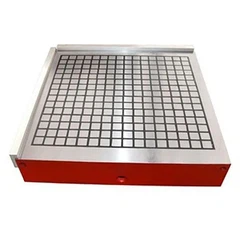
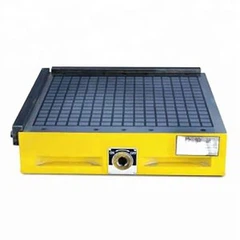


People often ask, "Is titanium magnetic?" because a quick magnet test feels like the fastest way to identify metal. You touch a magnet to a part, and you expect a simple yes or no. However, titanium doesn't always adhere to those rules. In most everyday situations, a magnet won't stick to titanium the way it sticks to iron or carbon steel.

That said, confusion is common.
Sometimes, a "titanium" item appears slightly magnetic due to surface contamination, mixed hardware, or the metal not being titanium at all. Stainless steel can also cause mix-ups, since some grades attract magnets and some don't.
In this guide, you'll get a clear answer, then we'll break down what magnetic really means, how titanium grades behave, and why magnet tests can mislead you. You'll also learn practical ways to confirm titanium, from simple density checks to professional XRF testing, plus quick comparisons with stainless steel and aluminum.
Will A Magnet Stick To Titanium?
In most cases, a magnet will not stick to titanium as it sticks to steel. If you try a fridge magnet or a basic shop magnet, titanium usually feels "dead." No snap. No grab. No hanging the part from the magnet.
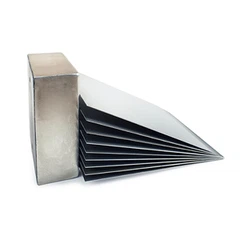
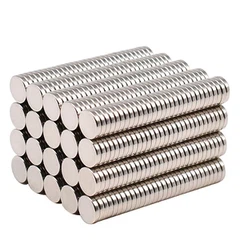
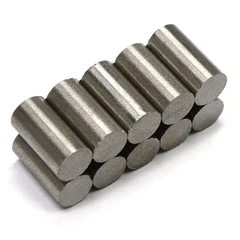
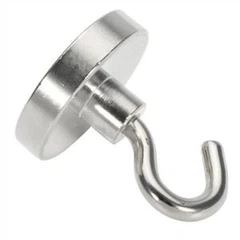
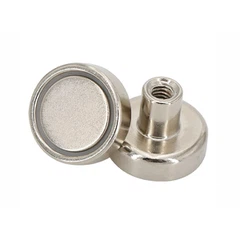
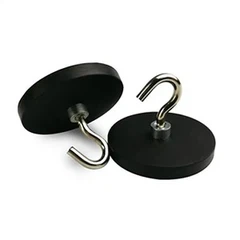
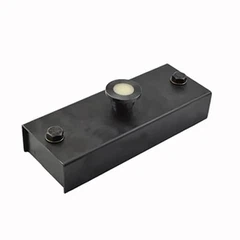
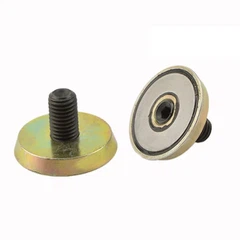
A stronger Neodymium magnet may make the test clearer, but titanium still won't "snap" onto it. At most, you might notice a very slight pull in certain setups.
If your "titanium" part grabs a magnet strongly, that's a red flag. It's often steel hardware, iron dust on the surface, or a different metal altogether.
What "Magnetic" Actually Means
When most people say "magnetic," they mean a Magnet snaps onto a metal and holds tight. That strong stick is called ferromagnetism, and it's common in iron and many kinds of steel.
But magnetism isn't just yes or no. Metals react to magnetic fields in different ways:
Ferromagnetic: strong attraction (easy to feel).
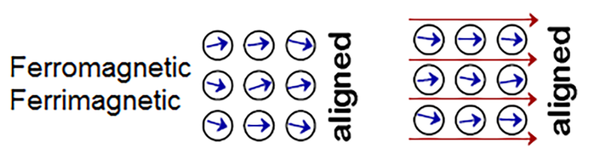
Paramagnetic: very weak attraction (often hard to notice).
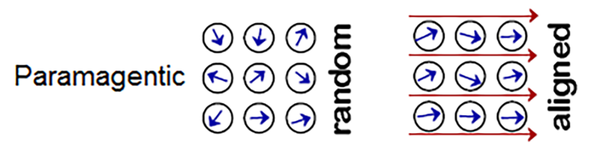
Diamagnetic: very weak push away (usually not noticeable).

Titanium is usually in the weak group, so a simple magnet test can confuse you. Also, "not sticking" doesn't prove a metal is titanium. It only tells you the metal is not strongly ferromagnetic. So a simple magnet test can be misleading. That's why good ID uses more than one check.
What Metals Will A Magnet Not Stick To?
Before you assume a part is titanium, it helps to know which common metals also show little to no reaction in a simple magnet test.
|
Metal (Common Form) |
Will a Magnet Stick? |
Quick Note |
|
Aluminum |
No |
Lightweight; common in frames, housings, and panels |
|
Copper |
No |
Used in wiring, busbars, and electrical components |
|
Brass |
No |
Copper alloy; common in valves, fittings, and connectors |
|
Titanium |
Usually no |
Very weak response; often feels "non-magnetic." |
|
Zinc |
No |
Often seen as a coating on steel, the coating itself won't stick. |
|
Lead |
No |
Heavy, soft metal; used in shielding and weights |
|
Tin |
No |
Soft metal; often used in coatings and solder alloys |
Titanium Grades and Alloys - Do They Change Magnetic Behavior?
Yes, the grade can change how titanium behaves in a test, but it usually won't turn titanium into a "magnet-sticking" metal.
Commercially Pure Titanium (Grade 1–4)
If you're dealing with Grades 1–4, a magnet typically won't grab it. These grades are often chosen for corrosion resistance and clean, stable performance.
Titanium Alloys (Like Grade 5)
Alloys can feel a bit different because the chemistry and structure change. But in normal shop checks, you still shouldn't see a strong snap like you do with steel.
One sentence to remember: a strong magnetic pull usually means something else is going on.
Common Reasons Include
Steel inserts, springs, or screws inside the "titanium" part.
Iron dust stuck on the surface after grinding or machining.
A stainless alloy is being mistaken for titanium.
How Can You Test if an Item Is Made of Titanium?
If you need a quick check, use a few simple tests together. One test alone can fool you.
Physical Testing Methods for Titanium
Density Test
Titanium feels lighter than steel but heavier than aluminum. For a better check, you can do a basic water-displacement test to estimate density. If it lands "between steel and aluminum," titanium becomes more likely.
Magnetic Properties Test
Use a strong Magnet as a fast filter. Titanium usually won't stick like steel. If it grabs hard, suspect iron dust, a steel insert, or a different metal.
Visual and Physical Inspection
When examining titanium, look for these characteristics:
|
What you check |
What you may notice |
What it suggests |
|
Color/finish |
Gray, matte, clean edges |
Could be titanium (not proof) |
|
Weight in hand |
Mid-weight feel |
Not steel-heavy, not aluminum-light |
|
Corrosion marks |
Less rust-like staining |
Often not plain steel |
Professional Testing Methods
X-ray Fluorescence (XRF) Testing
This is one of the most reliable ways to confirm titanium because it reads the metal's elements without cutting the part.
This non-destructive method provides:
Accurate element identification
Percentage composition of alloys
Quick results without sample preparation
Spark Testing
|
Material |
Spark look |
Quick note |
|
Carbon steel |
Long, bright sparks |
Strong, easy pattern |
|
Stainless steel |
Medium sparks |
Varies by grade |
|
Titanium |
Short, fine bursts |
Can be subtle; equipment matters |
Chemical Testing Methods
Acid Test
While I don't recommend this for everyday use, professional laboratories can perform acid tests. Titanium shows unique resistance to:
Hydrochloric acid
Sulfuric acid
Most organic acids
Color Anodizing Test
Titanium can be anodized to produce various colors:
|
Voltage (approx.) |
Typical color |
Limitation |
|
10–20V |
gold/purple range |
surface prep changes color |
|
20–40V |
blue tones |
not a grade test |
|
40V+ |
green/teal |
needs proper setup |
Titanium vs Stainless Steel vs Aluminum - Magnetic Comparison
If you're using a magnet test to identify metal, this quick side-by-side table helps you avoid the most common mix-ups.
|
Material |
Will a magnet stick? |
Why does it behave that way |
Common "gotcha" that causes confusion |
Best quick check (besides magnet) |
|
Titanium |
Usually no (very weak response) |
Titanium is not ferromagnetic, so it won't "snap" onto a magnet like steel |
Iron dust from grinding, or hidden steel inserts/screws |
Density feel + visual check; use XRF if you need proof |
|
Stainless Steel |
Depends on the grade |
Some stainless is more magnetic than others (structure varies by alloy family) |
People assume "stainless = non-magnetic," then misidentify it as titanium |
Check with a stronger Neodymium magnet and compare weight/density |
|
Aluminum |
No |
Aluminum is not ferromagnetic |
Light anodized finishes can look "titanium-like." |
Weight test (very light) + scratch/mark check |
|
Carbon Steel / Iron |
Yes, strongly |
Ferromagnetic metal; strong attraction |
Zinc plating or paint can hide the steel look |
Strong pull + rust tendency over time |
|
Copper / Brass |
No |
Not ferromagnetic |
Color can be hidden under coatings |
Color under scratch + weight feel |
Where "Non-Magnetic Titanium" Matters Most
Most of the time, you don't choose titanium because it's "non-magnetic." You choose it because it stays stable, doesn't rust easily, and won't interfere with nearby parts.
Medical and Imaging Areas
If you're working around MRI rooms or medical devices, strong magnetic materials can be a problem. Titanium is often used because it isn't strongly attracted to magnets, which helps reduce unwanted movement or pull.

Still, you should follow the equipment rules and do proper testing for your exact part.
High-Performance Battery Manufacturing
In lithium battery production, controlling magnetic contamination is critical. Even tiny iron or nickel particles can cause internal shorts. That's why high-end production lines use non-magnetic materials for tooling and fixtures. For manufacturers of custom battery packs, titanium's non-magnetic behavior and corrosion resistance make it ideal for specialized enclosures where magnetic interference cannot be tolerated.
Sensors, Electronics, and Test Equipment
In sensitive setups, small magnetic forces can cause noisy readings or calibration drift. Titanium hardware can be a safer choice when you want low magnetic interference near sensors, probes, or precision tools.
Aerospace and Marine Use
You may also see titanium in aircraft parts and ocean environments. Corrosion resistance matters here, but "non-magnetic" behavior can be a bonus when you're trying to keep instrument areas predictable.
FAQ
Q: What is the most reliable way to confirm titanium?
A: XRF (X-ray fluorescence) or PMI testing is one of the most reliable methods because it reads the metal's elements without guessing.
Q: What's a simple mistake that leads to a wrong titanium ID?
A: Testing right after grinding or using a steel wire brush. Tiny iron particles can stick to the surface and make a part look magnetic.
Q: Can you identify titanium by sound (tapping test)?
A: Sometimes you can notice differences, but it's not dependable. Shape, thickness, and how the part is held can change the sound more than the material does.
Conclusion
If you're checking titanium in the real world, treat magnet testing as a quick shortcut-not a final answer. It's great for catching obvious steel, but it won't prove "this is titanium." That's why the most reliable approach is to layer your checks.
Start with what you can control. Clean the part, especially if it's been machined or handled near steel. Then look at the whole assembly, not just one surface. A hidden insert or fastener can change the result.
When the material truly matters, OEM incoming inspection, medical parts, or anything near sensitive instruments, skip the guessing. Use a repeatable method like density screening, and confirm with XRF/PMI when needed.
And if your project is about magnetic force rather than metal ID, focus on the right material from the start. A purpose-built Magnet, such as a Neodymium magnet, is designed for holding, sensing, or separation; titanium is not.