










Anti-theft tags are everywhere in stores. You've probably seen them on clothing, electronics, or accessories. They're designed to prevent theft, but sometimes the tags remain on the items even after purchase.
This guide is for anyone who encounters this problem. We'll explain how to solve it using a simple yet powerful magnet. It's not magic, but rather the correct application of basic physics principles.
In this guide, you will learn:
How anti-theft tags work.
Which types of tags can be removed with a magnet?
Safe and effective methods for dealing with tags in a retail environment.
Understanding How Anti-Theft Tags Work
Let's take a closer look at anti-theft tags. Imagine the most common type: a two-piece plastic clip. One piece has a pin, and the other is a housing.
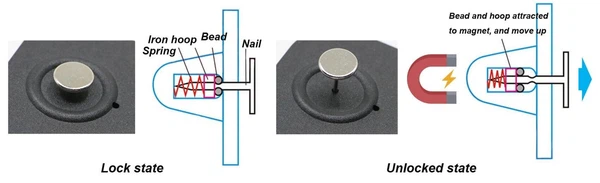
When you push the pin into the housing, it clicks and locks. Inside the housing is a tiny but ingenious mechanism that holds it securely in place. This usually involves one or two small steel balls or a spring-loaded pin. It's simple in design but strong enough that you can't easily pull the two parts apart.
This physical lock is the first line of defense. For many tags, there's also a hidden second part. Inside the plastic housing, you'll often find a tiny electronic sensor strip or circuit.
When the tag is intact, this sensor strip interacts with sensors at the store's exit gates and triggers an alarm if you pass through with the merchandise. Therefore, to completely "defeat" an anti-theft tag, you usually need to do two things: release the physical lock and disable the electronic sensor.
Why Magnets Can Remove Security Tags
So, how do magnets work? The key lies in the small metal components inside the casing.
Remember those steel balls or pins used to lock the tags? Steel is a ferromagnetic material, meaning magnets can attract it. When you place a strong magnet directly over the locking mechanism on top of the plastic casing, its powerful magnetic field penetrates the casing.
It acts on these internal metal components. The magnetic force physically pulls them back and away from the pin. Imagine moving a paperclip across a table with a magnet; the magnetic force penetrates the material.
When these locking components are pulled back, the pin is released. You'll usually hear a slight click. That's the sound of the lock disengaging.
The magnet can release the physical lock, but it doesn't disable the internal electronic alarm strip. That's a separate process.
Identifying Tag Types: Which Ones Can a Magnet Remove?
This is the key question. Magnets won't work on every tag you see. It all depends on what's inside. Knowing the type of tag you're dealing with is essential if you want to use a magnet safely.
Here are the main tag types and how they respond to magnets:
Hard Tags: These are the small, plastic tags with a metal pin inside. Most hard tags with magnetic locking mechanisms can be released with a strong magnet.
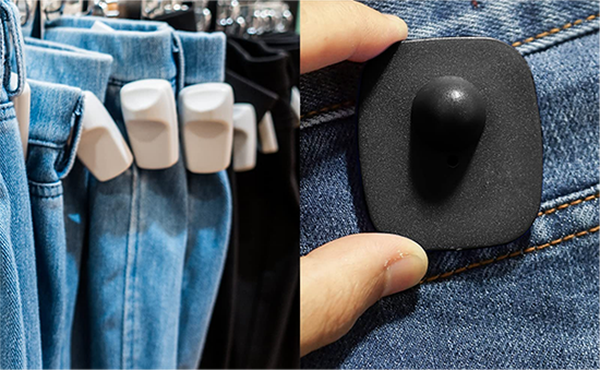
Ink Tags: Often used on clothing, these tags contain ink that can spill if removed incorrectly. Some ink tags have magnetic locks, but you need to be very careful.
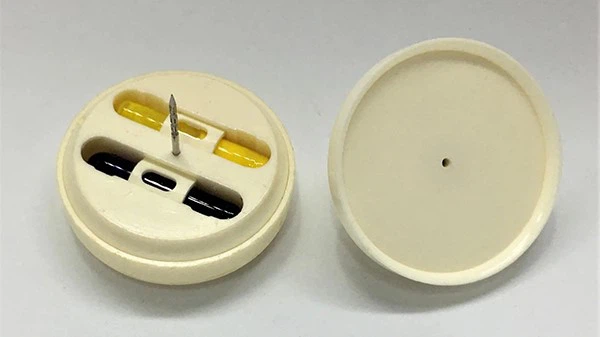
Soft or Adhesive Tags: Found on electronics, books, or small accessories, these are sometimes harder to remove with a magnet because they rely on adhesive or non-magnetic locks.
High-Security Electronic Tags: Many of these cannot be removed with a magnet. Attempting to do so may damage the item or trigger alarms.
Understanding the tag type helps you choose the right magnet and avoid damaging the product. Always check carefully before applying any magnetic force.
Magnets Commonly Used to Remove Security Tags
Different types of magnets can interact with security tags, but not all magnets are equally effective. Knowing which magnets to use helps you work safely and efficiently.
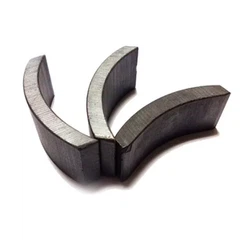
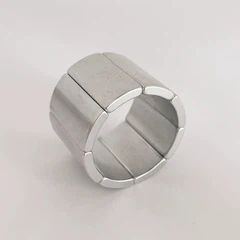
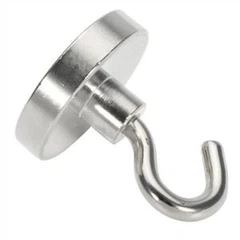
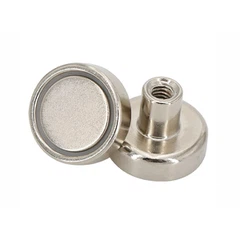
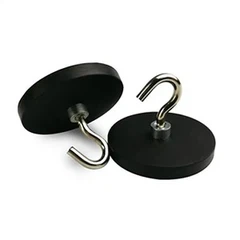
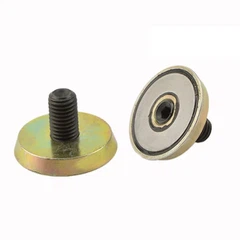
Neodymium Magnets
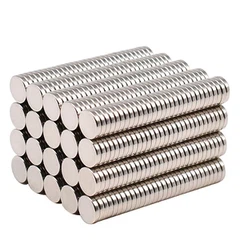
The most common and effective magnets for this are neodymium magnets. They're part of a group known as "rare-earth" magnets.
Extremely strong for their size. A small, coin-sized neodymium magnet can have a stronger pull than a much larger ceramic magnet. This strength is measured in units called gauss.
Often used in retail or industrial settings.
Can release most hard tags with magnetic locks quickly.
Caution: They are also very brittle and can chip or crack if slammed together. Handle them carefully.
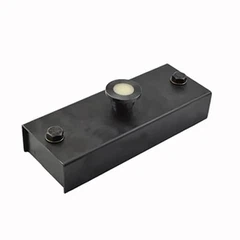
Industrial-Grade Magnets
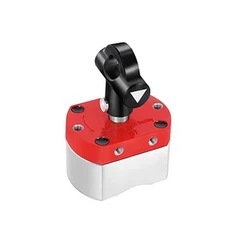
Larger and more powerful than typical household magnets.
Designed for consistent, repeated use in high-volume environments.
Often certified for safety and reliability.
Best for stores with heavy tag removal needs.
Household Magnets
Small and weak compared to neodymium or industrial magnets.
Can work on some basic hard tags, but often fails on stronger or high-security tags.
Safer for occasional use, but not recommended for commercial setups.
Other Types and Why They're Less Common
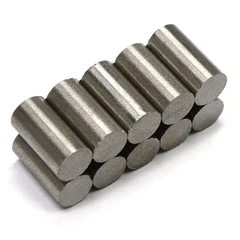
You might also hear about samarium-cobalt magnets. They're another strong,rare-earth type. They can handle higher temperatures than neodymium, but they are also more expensive. For tag removal, neodymium is the standard.

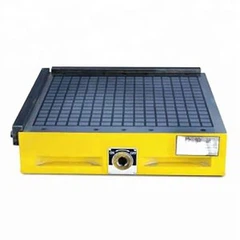
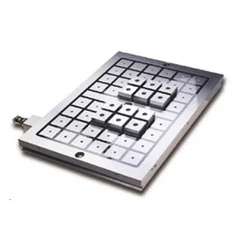
Ceramic or ferrite magnets are the kind you're more familiar with. They're weaker and much cheaper. While a very large ceramic magnet might work on a weak tag, it's generally not reliable for the task. You'd need a big, bulky magnet to get the job done.
The bottom line: for a dependable result, a strong neodymium magnet is the usual tool.
Step-by-Step Conceptual Overview
Removing a security tag with a magnet isn't complicated, but it helps to understand the concept before trying it yourself. Remember, this is for understanding the process of items you own or are authorized to handle.
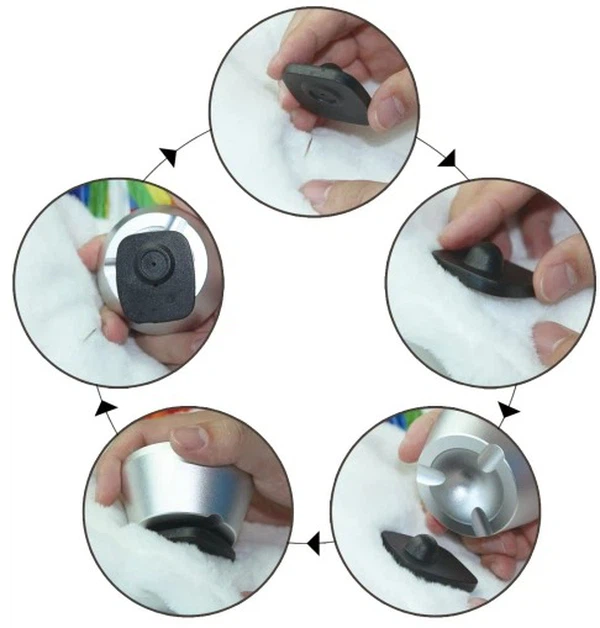
Assess the Tag
Identify the type of tag.
Check for magnetic locking mechanisms.
Avoid ink tags unless you're confident with the process.
Position the Magnet
Place a strong magnet near the locking pin or ball inside the tag.
Make sure the magnet is aligned properly to affect the metal component.
Apply Controlled Force
Slowly bring the magnet closer until the lock releases.
Do not use excessive force; it may damage the product.
Remove the Tag Safely
Once released, carefully detach the tag.
Inspect the product to ensure no damage occurred.
This conceptual overview helps you visualize the process. You'll understand the steps without needing a detailed mechanical explanation. Following these ideas keeps both the product and you safe while removing the tag.
Practical Examples of Using Magnets to Remove Security Tags
Understanding how this works is one thing. Seeing where it actually applies is another. Let's look at some real situations.
Clothing Retail Example
In a popular apparel chain in New York, staff process hundreds of jackets daily. One store reported that using neodymium magnets reduced tag removal time by 40%. Staff also use magnets for items returned by customers, ensuring tags are safely removed without damaging the garments.
Electronics Store Example
A medium-sized electronics store in California uses magnets to remove hard tags from headphones and cameras. Before adopting magnets, staff sometimes had to wait for a detacher, slowing checkout. Now, strong magnets release the locking pins quickly, saving time during peak hours.
Warehouse Inventory Management
A logistics warehouse in Texas receives large shipments of clothing and accessories. Staff use industrial-grade magnets to remove tags from hundreds of items before shipping. This allows packages to be ready faster while avoiding damage to products.
Pop-Up Shops and Temporary Events
At a seasonal pop-up shop in Chicago, the retailer didn't have access to standard detachers. Portable magnets allowed staff to safely remove tags from items sold during the week-long event, preventing bottlenecks at checkout.
Legal and Ethical Considerations
This is the most important part. The tool itself is neutral; what matters is how you use it.
Using a magnet to remove security tags can save time and streamline workflows. However, it's crucial to remember that doing so without authorization is illegal and can lead to serious trouble.
Only remove tags from items you own or are authorized to handle.
Never attempt to bypass security tags on store merchandise without permission. Doing so could be considered theft.
Understand local regulations. Different regions have different rules regarding anti-theft devices.
Avoid damaging products. Strong magnets can scratch or damage items if used improperly.
By following these rules, you can use magnets to remove security tags safely and responsibly. This helps you comply with the law, protect products, and ensure your business or personal activities adhere to ethical and professional standards.
FAQs
Q: Are there safety risks when using magnets?
A: Yes. Strong magnets can pinch fingers, damage electronics, or scratch products if handled carelessly. Always apply controlled force and follow safety guidelines.
Q: Are there alternatives to using magnets for tag removal?
A: Yes. Professional tag detachers and store-approved removal tools are available, especially for high-security electronic tags.
Q: What should I do if a tag won't release?
A: Do not force it. Reassess the tag type. Some tags cannot be removed with magnets and may require authorized tools.
Q: How should I store magnets safely?
A: Keep strong magnets in protective cases. Avoid letting them collide with other magnets or metal objects. Inspect regularly for chips or cracks and replace if damaged.
Conclusion
Hopefully, this guide has helped you clarify your thinking. Ultimately, using a magnet to remove security tags involves applying physical principles to address a specific problem. The key is that tools and knowledge themselves are double-edged swords.
Using them safely and legally can save you time and prevent property loss. More importantly, you need to clearly understand the reasons behind your actions. Defining clear behavioral boundaries is more important than simply mastering the technique. Testing out of curiosity or removing a tag that was accidentally left on a purchased item are legitimate uses.
However, if the motivation is to circumvent ownership of the goods, that's entirely different. Tools are neither right nor wrong, but human choices are. Understanding this is crucial to truly utilizing knowledge effectively and avoiding unnecessary risks.