













Introduction
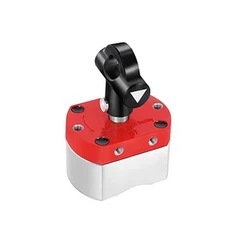
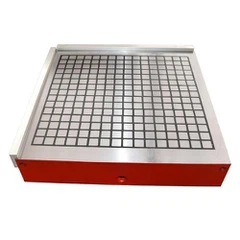
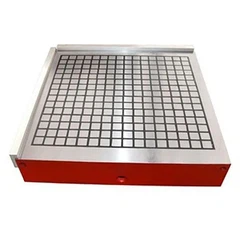
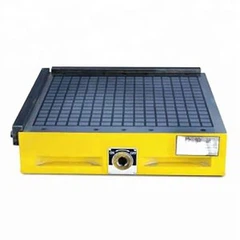
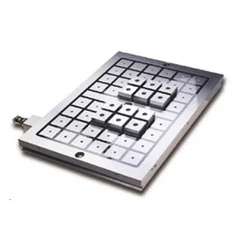
Electromagnetic chucks are essential tools in the machining industry, used to hold ferromagnetic workpieces securely in place. These devices utilize electromagnetic fields to generate a holding force that stabilizes metal workpieces during operations such as grinding, milling, and drilling. By providing a reliable and adjustable means of securing workpieces, electromagnetic chucks enhance precision and efficiency in machining processes.
In machining, workpiece stability is crucial for precision and quality. Electromagnetic chucks are preferred due to their strong, adjustable holding force, suitable for various workpiece sizes and shapes.
Malfunctions in electromagnetic chucks can severely impact production and safety. Reduced magnetic force can cause workpieces to shift or detach, leading to inaccuracies and potential damage. Additionally, malfunctioning chucks pose safety risks, as loose workpieces can cause accidents and injuries.
Common issues include loss of magnetic force, uneven holding power, electrical problems (e.g., short circuits), and physical damage. Proper repair techniques are essential to restore functionality and ensure safety in the machining process.

Understanding Electromagnetic Chucks
Components of Electromagnetic Chucks
Electromagnetic chucks are composed of several key components, each playing a crucial role in generating and controlling the magnetic force:
Coil: The coil is the core component responsible for generating the magnetic field. When electric current flows through the coil, it creates a magnetic field around it.
Magnetic Poles: These are the surfaces that come into direct contact with the workpiece, concentrating the magnetic field to create the holding force.
Electrical Connections: These include the wires and connectors that supply electric current to the coil.
Control Unit: The control unit regulates the current supplied to the coil, allowing the operator to adjust the strength of the magnetic field and, consequently, the holding force.
Working Principle
The working principle of electromagnetic chucks is based on the fundamentals of electromagnetism. When an electric current passes through the coil, it generates a magnetic field. This field is channeled through the magnetic poles, creating a concentrated magnetic force that secures the ferromagnetic workpiece. By adjusting the current using the control unit, the operator can modulate the magnetic force to suit different machining requirements.
Common Issues and Diagnostic Procedures
Identifying Common Problems
Several common issues can affect the performance of electromagnetic chucks:
Loss of Magnetic Force: This issue can arise from problems such as a faulty coil, poor electrical connections, or degraded insulation.
Uneven Holding Power: This can be caused by irregularities in the chuck surface or non-uniform distribution of the magnetic field.
Electrical Issues: Short circuits, open circuits, and degraded insulation can disrupt the electrical supply to the coil.
Physical Damage: Damage to the chuck surface or internal components can impair the chuck's functionality.
Diagnostic Tools and Techniques
To diagnose these issues accurately, several tools and techniques are used:
Multimeters: These devices are used to test electrical continuity, resistance, and potential shorts or open in the circuit.
Visual Inspection: A thorough visual inspection can reveal physical damage such as cracks, corrosion, or worn components.
Gauss Meter: This tool measures the strength of the magnetic field, helping to identify loss of magnetic force or uneven distribution.
Oscilloscopes: For advanced diagnostics, oscilloscopes can monitor the waveform of electrical signals to detect anomalies in the supply current.
Safety Precautions Before Starting Repairs
Personal Safety Measures
Safety is of utmost importance when performing repairs on electromagnetic chucks. Always wear appropriate personal protective equipment (PPE) such as gloves, safety glasses, and insulated clothing. Before beginning any repair work, ensure that the chuck is completely disconnected from its power source to prevent electric shock.
Workplace Safety
Create a safe and clean working environment. Ensure that all tools and equipment are in good condition and that the workspace is free of clutter to prevent accidents. Proper handling of tools and parts is essential to avoid injuries and damage to components.
Step-by-Step Repair Process
Preparation
Collect all the tools needed for the repair, including screwdrivers, multimeters, soldering irons, and any replacement parts such as coils and connectors.
Make a comprehensive list of all components to inspect and repair. This helps ensure that nothing is overlooked during the repair process.
Disassembly
Carefully remove screws and fasteners, noting their positions and keeping track of all small parts. Use containers or magnetic trays to organize these components and prevent loss.
Label containers or use magnetic trays to sort and store small parts and screws. This organization helps during reassembly.
Inspection and Cleaning
Methods for Cleaning Internal and External Components: Use appropriate cleaning agents and tools to remove debris and contaminants from all parts. Avoid abrasive
cleaning agents that could damage the surfaces or components.
Identifying Worn-Out or Damaged Parts: Inspect each component carefully for signs of wear or damage, such as frayed wires, corroded connectors, cracked insulation, or physical deformities. Replace any parts that show significant wear or damage to ensure the chuck's optimal performance.
Repair and Replacement
Techniques for Repairing Minor Damage: For minor issues, such as loose connections or small surface imperfections, you can re-solder connections, smooth out rough surfaces, and replace damaged insulation. Ensure that all repairs are done meticulously to maintain the integrity of the chuck.
Guidelines for Replacing Major Components: When major components like coils or control units need replacement, follow the manufacturer's guidelines precisely. Ensure that the new components are compatible with your chuck model and install them correctly to prevent future issues.
Reassembly
Step-by-Step Instructions for Reassembling the Chuck: Reassemble the chuck in the reverse order of disassembly. Make sure all parts are properly aligned and securely fastened. Pay special attention to electrical connections, ensuring they are tight and well-insulated to prevent shorts or open circuits.

Testing and Calibration
Initial Testing
Once reassembled, reconnect the chuck to its power source and conduct a series of tests. Use a multimeter to check for electrical continuity and ensure there are no shorts or opens in the circuit. Measure the magnetic force using a gauss meter to verify that it meets the required specifications.
Double-check all electrical connections for tightness and proper insulation. Ensure the magnetic strength is consistent and within the desired range.
Calibration Techniques
Adjusting the Control Unit: Fine-tune the control unit to achieve the desired magnetic performance. This involves adjusting the current levels to balance the magnetic field and ensure uniform holding power across the chuck surface.
Balancing the Magnetic Field: Use a gauss meter to check for uniform magnetic field distribution. Adjust the control settings as necessary to eliminate any areas of weak or uneven holding power.
Preventive Maintenance Tips
Routine Inspection and Cleaning
Frequency and Methods for Regular Inspection: Conduct regular inspections, typically monthly or after a set number of operating hours, to detect early signs of wear or damage. Use a checklist to ensure all components are examined.
Cleaning Techniques: Regularly clean the chuck using non-abrasive cleaners to remove debris, dust, and contaminants. Pay attention to the coil and magnetic poles, as buildup in these areas can affect performance.
Monitoring Electrical Components
Regular Testing of Electrical Connections and Components: Periodically test electrical connections and components for continuity, resistance, and insulation integrity. Use a multimeter to identify any potential issues before they cause significant problems.
Replacing Worn-Out Wires and Connectors: Replace any wires or connectors that show signs of wear or damage. Regularly inspect insulation and replace any components that appear brittle or cracked.
Troubleshooting Post-Repair Issues
Addressing Common Problems After Repair
Solutions for Persistent Loss of Magnetic Force: If the magnetic force remains weak after repair, recheck the electrical connections, coil integrity, and control unit settings. Ensure there are no faults in the coil and that the control unit is properly calibrated.
Dealing with Uneven Holding Power Post-Repair: Inspect the chuck surface for irregularities and ensure the magnetic field is evenly distributed. Adjust the control unit settings to balance the field and achieve uniform holding power.
Resolving Intermittent Electrical Issues: For intermittent issues, check for loose connections, damaged wires, or faulty components. Use diagnostic tools such as oscilloscopes to monitor the electrical signals and identify intermittent faults.
Advanced Troubleshooting Techniques
Using Diagnostic Equipment for In-Depth Analysis: Employ advanced diagnostic tools like oscilloscopes and thermal cameras to detect subtle issues. Oscilloscopes can help monitor electrical waveforms, while thermal cameras can identify hotspots indicating faulty components.
Consulting Technical Manuals and Support from Manufacturers: Refer to the technical manuals provided by the chuck's manufacturer for detailed troubleshooting procedures. If necessary, contact the manufacturer's technical support for assistance with complex problems.
Conclusion
Proper maintenance and repair of electromagnetic chucks are crucial for ensuring safety, precision, and efficiency in machining operations. Understanding the components and working principles, identifying common issues, and employing correct diagnostic and repair techniques are essential steps in this process.
Adherence to safety standards during repairs is vital to prevent accidents and ensure effective repairs. Regular maintenance and inspections can significantly prolong the life of electromagnetic chucks and maintain their optimal performance. Implementing preventive measures and addressing issues promptly will ensure the continuous reliability and efficiency of these critical components in industrial applications.