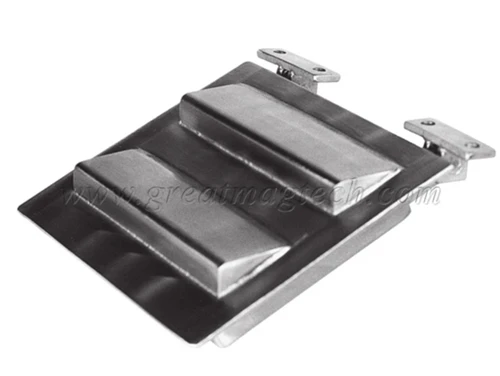
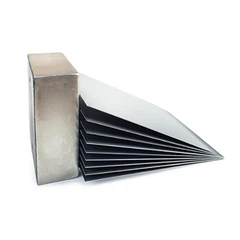








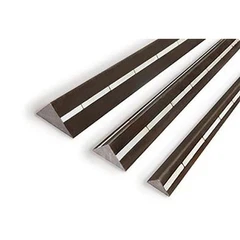
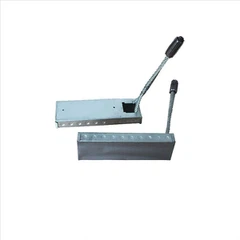
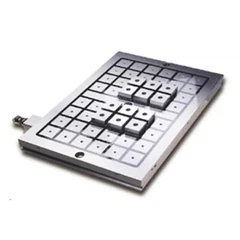


When sourcing magnetic sheet metal separators (also known as magnetic sheet fanners) from China, you may receive several quotes for products that look almost identical. However, their separation performance, build quality, and customization options can vary.
Choosing the wrong manufacturer can lead to poor sheet separation, installation difficulties, and costly production delays. A low price means little if the product cannot meet your operating requirements.
So, how do you choose a reliable magnetic sheet separator manufacturer in China? You need to know what to look for, how to verify supplier capabilities, and how to compare quotes and product quality before placing an order.
What to Prepare Before Sourcing Magnetic Sheet Separators
Before contacting manufacturers, prepare your technical and purchasing requirements. Providing clear information helps you receive suitable product recommendations and accurate quotes.
| Information | Details to Provide |
| Sheet Material | Steel grade and magnetic properties |
| Sheet Dimensions | Length, width, and thickness |
| Stack Height | Maximum height of your stacked steel sheets |
| Surface Condition | Dry, oily, or coated sheets |
| Feeding Method | Manual feeding, robotic handling, or automated press feeding |
| Installation Space | Available mounting space and equipment layout |
| Separation Requirements | Required sheet separation gap and feeding speed |
| Customization Requirements | Special dimensions, mounting structures, or branding |
| Order Requirements | Order quantity and expected delivery date |
You do not need to know the exact magnetic sheet separator model before contacting a manufacturer. If you are unsure, provide photos of your production line, equipment drawings, or representative steel sheet samples. These details help the manufacturer understand your application and recommend a suitable solution.
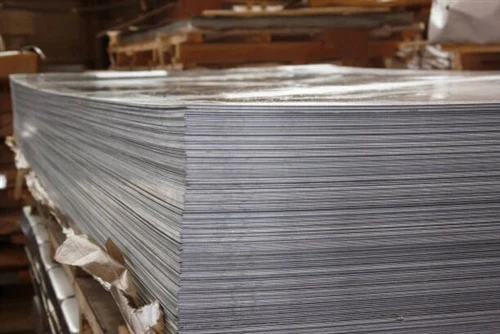
6 Key Factors to Consider When Choosing a Magnetic Sheet Separator Manufacturer
Once you have defined your requirements, you can start evaluating potential manufacturers. The following six factors help you assess whether a supplier can meet your technical, purchasing, and long-term supply needs.
1. Manufacturing Capabilities and Industry Experience
When sourcing magnetic sheet metal separators from China, first find out how your supplier manufactures its products.
Ask which processes are completed in-house, such as metal machining, housing fabrication, magnetic assembly, and final inspection. Outsourcing certain processes is not necessarily a problem, but your supplier should maintain control over production quality.
Industry experience matters just as much as manufacturing equipment. A company that produces permanent magnets may not have enough experience in developing magnetic sheet separators for automated production lines.
When evaluating a manufacturer's experience, look for:
• Previous projects involving metal stamping and automated sheet destacking.
• Experience in manufacturing permanent and pneumatic sheet separators.
• Products designed for different sheet thicknesses and stack heights.
• Actual production and assembly photos or videos.
If you cannot visit the factory in China, request a live video tour or arrange a third-party factory audit. You should also verify the company's business registration and its relationship with the production facility.
2. Product Selection and Engineering Support
Experience in manufacturing magnetic separation equipment provides a useful technical background. However, you still need to check the manufacturer's specific knowledge of steel sheet separation.
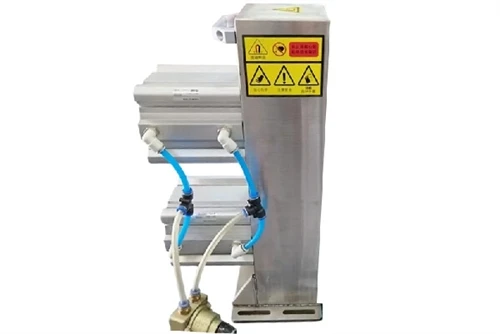
Your supplier should be able to explain whether a conventional magnetic sheet fanner or a pneumatic sheet separator is better suited to your application.
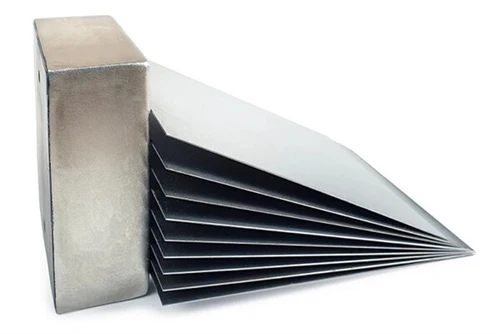
If you operate an automated stamping or robotic feeding line, a pneumatic sheet separator may offer greater control over the separation process. Your supplier should be able to assess:
• The number and size of separators required.
• Suitable mounting positions and working distances.
• The expected sheet separation gap.
• Compressed air requirements and switching control.
• Compatibility with your existing automated feeding system.
Ask for the reasoning behind these recommendations. If a supplier recommends a model without reviewing your sheet specifications or equipment layout, you may need to question its technical expertise.
You should also request mounting drawings and confirm the operating limits of the recommended product.
3. Quality Control and Product Consistency
When reviewing a manufacturer's quality control process, pay attention to the following areas.
| Quality Control Area | What You Should Check |
| Magnetic Materials | Magnet grade, material specifications, and incoming inspection records |
| Magnetic Circuit Assembly | Magnet positioning, assembly accuracy, and consistency |
| Housing Construction | Material quality, welding, machining accuracy, and structural integrity |
| Pneumatic Components | Cylinder quality, seals, fittings, and component inspection |
| Pneumatic System | Air leakage checks and switching reliability |
| Final Inspection | Dimensional checks and magnetic performance records |
| Batch Traceability | Records linking finished products to production and material batches |
For pneumatic sheet separators, ask whether switching reliability is checked under repeated operating cycles, rather than through a single activation test. This is particularly important if you operate an automated feeding line.
4. OEM/ODM and Customization Capabilities
Standard magnetic sheet separators may not fit your available mounting space, equipment design, or production requirements. In such cases, you need a manufacturer that can develop a product around your application.
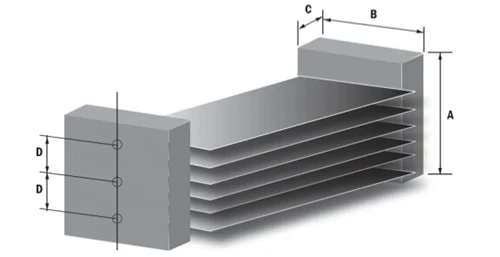
Depending on your project, customization may include:
• Non-standard housing dimensions and mounting structures.
• Magnetic circuit adjustments for specific sheet separation requirements.
• Customized pneumatic control configurations.
• Air connection positions and control interface arrangements.
• Private labeling and custom packaging.
If you are integrating pneumatic sheet separators into your own automation equipment, confirm whether the manufacturer can adapt the separator to your mechanical layout and control requirements.
You should also review the manufacturer's custom development process. Request engineering drawings for approval before production begins, and make sure any changes to the agreed materials, dimensions, or product structure require your approval.
For private label projects, confirm that your approved design and branding requirements can be maintained across future orders.
5. Production Capacity and Supply Reliability
If you are a distributor, brand owner, or equipment manufacturer, you need a supplier that can support your business beyond the first order.
Instead of relying on advertised production capacity, ask how much capacity is available for your specific product and order volume. You should also check the availability of permanent magnets, housing materials, pneumatic cylinders, and other key components.
For recurring orders, discuss how the manufacturer schedules production, handles increases in demand, and manages potential material shortages.
Component availability is particularly important for pneumatic sheet separators. If a pneumatic component is discontinued or replaced, your supplier should inform you before making changes that could affect your equipment compatibility.
6. Warranty and After-Sales Support
Returning a magnetic sheet separator to China for repair can be expensive and time-consuming. Before placing an order, find out how your supplier handles technical problems after delivery.
For example, if your pneumatic sheet separator develops air leakage, slow switching, or inconsistent operation, you should be able to obtain troubleshooting instructions and identify whether a replacement component is needed.
Review the manufacturer's written after-sales terms, including:
• Warranty period, coverage, and exclusions.
• Availability of replacement cylinders, seals, and other applicable components.
• Remote troubleshooting support and response times.
• Repair and replacement procedures.
• Responsibility for warranty-related shipping costs.
If your production line relies on continuous sheet feeding, access to replacement parts and practical technical support can help reduce downtime. These arrangements are equally important when you supply magnetic sheet separators to your own customers.
How to Compare Magnetic Sheet Separator Quotes from Chinese Suppliers
When comparing magnetic sheet separator quotes from Chinese suppliers, check whether each quotation covers the same technical requirements and product configuration. A lower unit price may simply mean that certain components or services are not included.
For pneumatic sheet separators, you should also check which pneumatic components, control accessories, and mounting parts are included in the quotation.
| Quotation Factor | What You Should Compare |
| Product Specifications | Dimensions, magnetic system, and separation performance |
| Unit Price | Prices based on equivalent product configurations |
| Included Components | Mounting brackets, pneumatic cylinders, valves, and fittings, where applicable |
| Customization Costs | Engineering, tooling, and branding fees |
| MOQ | Minimum order quantity and bulk pricing |
| Sample Costs | Sample price and development fees |
| Lead Time | Sample and bulk order delivery times |
| Payment Terms | Deposit requirements and balance payment conditions |
| Shipping Terms | EXW, FOB, CIF, or other agreed trade terms |
| Additional Costs | Special packaging, testing, and inspection fees |
Pay close attention to what is included and excluded from each quote. For example, a cheaper pneumatic sheet separator may require you to purchase additional control components before installation.
How to Verify Magnetic Sheet Separator Quality Before Shipment
Before approving a bulk order, you should confirm that the magnetic sheet separator meets your technical requirements. Sample testing and pre-shipment inspection can help you identify problems before the products leave the factory.
Test Sheet Separation Performance
Request a separation test using steel sheets that match your actual material, thickness, dimensions, and surface conditions. Check whether the separation gap is large enough for reliable single-sheet pickup.
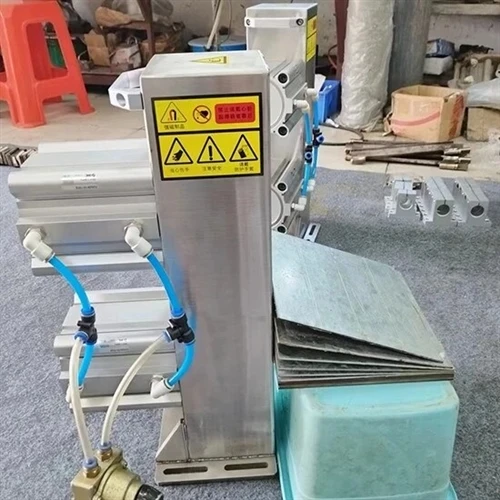
You should also verify performance at different stack heights and request repeated separation tests to check consistency.
For pneumatic sheet separators, pay attention to switching speed, magnetic activation and release, and operating stability over repeated cycles. Do not rely on surface Gauss readings alone, as they do not fully reflect actual sheet separation performance.
Check Equipment Compatibility
Compare the sample with your approved engineering drawings. Check the housing dimensions, mounting holes, installation direction, and available operating space.
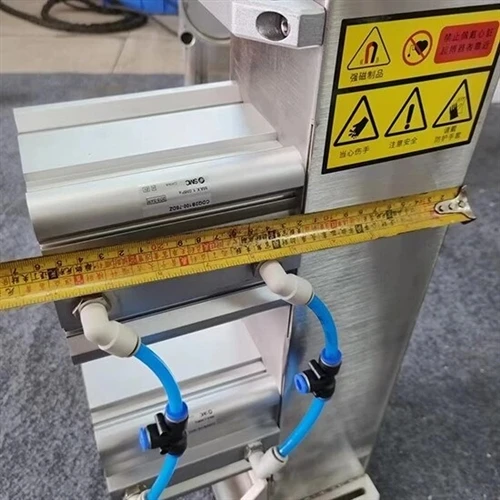
If you purchase pneumatic sheet separators, verify the required air pressure, air connection positions, and control interfaces. Make sure the product can work with your existing robotic handling or automated press feeding system.
Resolving compatibility issues before shipment can save you from costly equipment modifications after delivery.
Approve Samples and Inspect Bulk Orders
Once your sample passes testing, confirm the final drawings, material specifications, and acceptance criteria in writing. Use these requirements as the inspection standard for your bulk order.
Before shipment, request inspection reports covering product dimensions, appearance, separation performance, and pneumatic switching tests where applicable.
For large or customized orders, consider arranging a third-party pre-shipment inspection. This helps you verify that the bulk products match your approved sample and agreed specifications before releasing the final payment.

Conclusion
A reliable magnetic sheet separator manufacturer in China should be able to demonstrate separation performance on sheets that match your working conditions and maintain consistent quality across repeat orders. These factors matter more than the lowest initial price.
At Great Magtech, you can source conventional magnetic sheet separators and pneumatic sheet separators for both manual and automated production lines, with customization options to meet your project requirements.
Share your steel sheet specifications, equipment layout, and purchasing needs with Great Magtech's technical team to discuss a suitable solution and receive a quotation.
FAQ
Q: Can a Chinese Manufacturer Develop a Replacement for Your Existing Magnetic Sheet Fanner?
A: Yes. You can provide your existing separator's drawings, mounting dimensions, and performance requirements. If the original drawings are unavailable, you can send a physical sample for the manufacturer to assess and develop a compatible replacement.
Q: How Can You Protect Your Custom Magnetic Sheet Separator Designs?
A: You can sign a non-disclosure agreement (NDA) before sharing your technical drawings. For OEM/ODM projects, clearly define design ownership, tooling ownership, and restrictions on selling your custom products to other customers.
Q: Is ISO 9001 Certification Enough to Verify a Magnetic Sheet Separator Manufacturer?
A: No. ISO 9001 certification indicates that your supplier has an established quality management system. However, it does not guarantee product performance. You still need to review product-specific inspection records and actual separation test results.
Q: Should You Work Directly with a Manufacturer or a Trading Company?
A: If you need custom pneumatic sheet separators, direct engineering communication, or long-term supply, working directly with a manufacturer may be more suitable. If you need to source several unrelated products from different factories, a trading company may offer greater purchasing convenience.
Q: Do Magnetic Sheet Separators Require Special Packaging for International Shipping?
A: Depending on the magnetic field strength and shipping method, you may need magnetic shielding and protective packaging. For pneumatic sheet separators, you should also ensure that cylinders, air fittings, and moving components are protected against damage during transportation.