










Have you ever wondered how aluminum cans are separated from other waste materials at a recycling facility? The magic behind this process lies in a technology known as eddy current separation.
Eddy current separators are powerful tools used in various industries, including recycling and waste management. They are designed to efficiently sort non-ferrous metals, such as aluminum, copper, and brass, from mixed material streams.
In this guide, you'll learn about how this machine works, the principle of eddy current separation, different types of equipment, and its key applications in industries. Understanding this technology will help you see the powerful role it plays in improving sustainability and efficiency across sectors.
What is an Eddy Current Separator?

An eddy current separator is a machine designed to separate non-ferrous metals like aluminum and copper from mixed materials. Its core function relies on electromagnetic forces that repel these metals from other substances in a waste stream.
The technology dates back to the early 20th century, with advancements in magnetic separation. Over time, it became a vital tool in industries like recycling and waste management. Breakthroughs include the development of stronger magnets and more precise sorting systems.
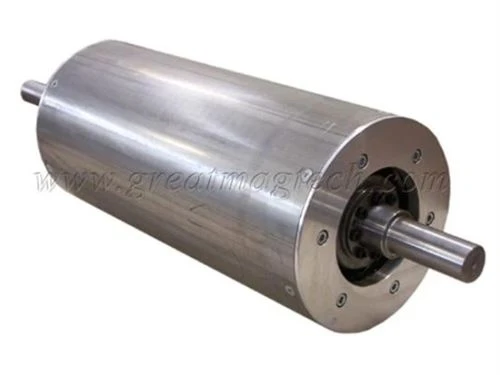
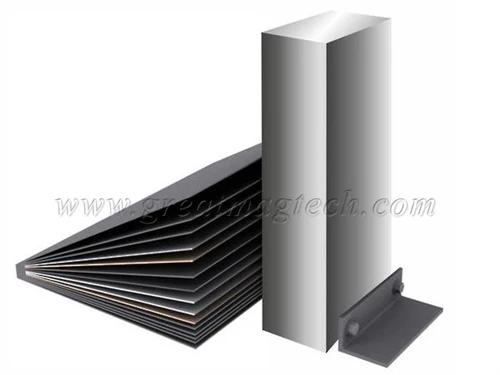
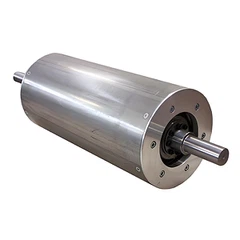
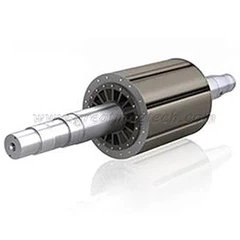
The basic components include a rotating magnetic drum, a conveyor belt, and a material feed system. As materials move over the drum, non-ferrous metals are repelled by induced eddy currents, while other materials continue along their path.
You'll find this technology commonly used in recycling facilities, mining operations, and electronics waste management. It has evolved to become faster and more efficient, making it crucial for modern material processing systems.
The Science Behind Eddy Current Separation
Imagine a conveyor belt filled with a mix of metals and non-metals. How can you efficiently separate the valuable metals from the rest? This is where the magic of eddy current separation technology comes into play.
At the heart of this process lies a fundamental law of physics: electromagnetic induction. This principle states that a changing magnetic field induces an electric current in a conductor.
When a conductive material, like aluminum or copper, enters a strong magnetic field, it experiences a change in magnetic flux. This change induces an electric current within the material, creating a swirling pattern of current known as an eddy current.
Lenz's Law, another fundamental principle of electromagnetism, comes into play at this point. It states that the direction of the induced current is such that it opposes the change in magnetic flux that produced it. In the case of eddy current separation, the induced eddy currents generate a secondary magnetic field that opposes the original magnetic field.
This opposition between the two magnetic fields creates a repulsive force that pushes the conductive material away from the magnet. Non-conductive materials, like plastic or glass, aren't affected by this magnetic interaction.
The strength of the repulsive force depends on several factors:
Magnetic Field Strength: A stronger magnetic field induces larger eddy currents, leading to a greater repulsive force.
Material Conductivity: Highly conductive materials, such as copper, experience stronger eddy currents and are more easily separated.
Conveyor Belt Speed: The speed of the conveyor belt affects the time the material spends in the magnetic field, influencing the intensity of the eddy currents.
By carefully controlling these factors, eddy current separators can efficiently sort and recover valuable metals from a variety of materials, contributing to a more sustainable future.
The Eddy Current Separation Process
Let's break down the process of eddy current separation step-by-step. Imagine a conveyor belt filled with a mix of materials, including metals and non-metals. How can we efficiently sort these materials?
Here's a detailed step-by-step breakdown of the process:
Step 1: Material Feeding
First, a mixture of materials, such as aluminum cans, plastic bottles, and steel scraps, is fed onto a conveyor belt. This is the starting point of the separation process.
Step 2: Magnetic Field Exposure
As the materials move along the conveyor belt, they pass through a powerful magnetic field generated by a rotating drum. This magnetic field is crucial for the separation process.
Step 3: Eddy Current Induction
When a conductive material, like aluminum or copper, enters this magnetic field, it experiences a change in magnetic flux. This change induces an electric current within the material, creating a swirling pattern of current known as an eddy current.
Step 4: Repulsive Force Generation
These induced eddy currents generate a secondary magnetic field that opposes the original magnetic field. This opposition creates a repulsive force that pushes the conductive material away from the magnetic drum.
Step 5: Material Separation
The non-ferrous metals, repelled by the magnetic force, are deflected from their original path and collected separately. Non-conductive materials, unaffected by the magnetic field, continue along their original trajectory.
Step 6: Trajectory Control
By carefully adjusting factors like the strength of the magnetic field, the speed of the conveyor belt, and the shape of the magnetic drum, operators can precisely control the separation process. This allows for the efficient recovery of valuable metals.
By following these steps, eddy current separators play a vital role in recycling facilities, mining operations, and electronic waste recycling, helping to conserve resources and protect the environment.
Types of Eddy Current Separation Equipment

Eddy current separators come in various designs, each suited for specific applications and material types. Let's explore some of the most common types:
1. Horizontal Eddy Current Separators
Horizontal separators are widely used in large-scale recycling facilities. They handle high volumes of material and are effective at separating non-ferrous metals from a variety of waste streams.
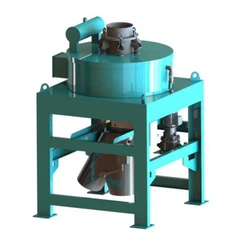
2. Vertical Eddy Current Separators
Vertical separators are ideal for applications where space is limited. They are often used in smaller-scale recycling operations and can handle a wide range of material sizes.
3. Drum-Type Eddy Current Separators
Drum-type separators are characterized by a large, rotating drum with powerful magnets. They are highly efficient at separating non-ferrous metals from bulk materials, such as shredded scrap metal.
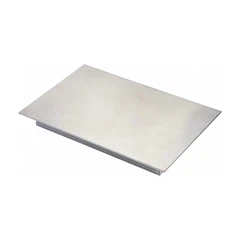
4. Flat-plate Eddy Current Separators
Flat-plate separators are designed to handle fine and light materials. They are commonly used in the recycling of electronic waste, where precise separation of small components is essential.
The choice of separator depends on various factors, including the type of material to be separated, the desired throughput, and the available space. For example, a drum-type separator might be ideal for processing large volumes of shredded metal, while a flat-plate separator might be more suitable for delicate electronic waste.
Factors Affecting Separation Efficiency
Several factors influence the effectiveness of eddy current separation:
Magnetic Field Strength
A stronger magnetic field induces larger eddy currents, resulting in a greater repulsive force on conductive materials. By adjusting the magnetic field strength, operators can optimize the separation process for different materials.
Conveyor Belt Speed
The speed of the conveyor belt affects the time a material spends within the magnetic field. A slower belt speed allows for more effective separation of smaller and less conductive materials, while a faster belt speed is suitable for larger and more conductive materials.
Particle Size
The size and shape of the particles can impact their susceptibility to magnetic forces. Smaller particles may be more difficult to separate, especially if they are irregularly shaped.
Material Characteristics
The electrical conductivity, magnetic permeability, and density of a material influence its response to the magnetic field. Highly conductive materials, such as copper, are more easily separated than less conductive materials, like aluminum.
Drum Rotation Speed
The speed of the magnetic drum affects the intensity and distribution of the magnetic field. By adjusting the drum's rotation speed, operators can optimize the separation process for different materials and particle sizes.
To maximize the efficiency of eddy current separation, it is essential to consider the following tips:
Proper Material Preparation: Ensure that the material to be separated is free of contaminants and has a consistent particle size.
Optimal Magnetic Field Strength: Adjust the magnetic field strength to match the specific characteristics of the materials being separated.
Conveyor Belt Speed Optimization: Fine-tune the conveyor belt speed to achieve the desired separation efficiency.
Regular Maintenance: Perform regular maintenance on the equipment to ensure optimal performance and minimize downtime.
By carefully considering these factors and implementing best practices, operators can achieve high-quality separation results and maximize the recovery of valuable metals.
Applications of Eddy Current Separators
Eddy current separators are used in various industries to efficiently separate non-ferrous metals, such as aluminum, copper, and brass, from other materials. Here are some of the key areas where they are used:
Recycling: Recycling facilities rely on eddy current separators to efficiently sort non-ferrous metals from mixed waste streams. This helps to recover valuable materials, reduce landfill waste, and conserve natural resources.
Waste Management: In municipal waste management, eddy current separators are used to recover valuable metals from household waste. This not only reduces the amount of waste sent to landfills but also provides a source of secondary raw materials.
Mining: The mining industry utilizes eddy current separators to extract valuable metals from ore and tailings. By separating metals from waste materials, mining companies can improve the efficiency of their operations and reduce environmental impact.
Electronics and Automotive: The electronics and automotive industries generate significant amounts of electronic waste and end-of-life vehicles. Eddy current separators play a crucial role in recycling these materials, recovering valuable metals like copper, aluminum, and precious metals.
As the world moves towards a more sustainable future, eddy current separators are poised to play an even greater role. With the increasing demand for critical metals, such as lithium and cobalt, used in batteries and electric vehicles, these technologies will be essential for recycling end-of-life batteries and recovering valuable materials.
Advantages and Limitations of Eddy Current Separators
Eddy current separators offer several advantages that make them an invaluable tool in various industries.
Advantages
High Speed: They can process large volumes of material efficiently.
Precision: They can accurately separate non-ferrous metals, even in complex mixtures.
Low Maintenance: They require minimal maintenance and have a long operational life.
Limitations
While eddy current separators offer many benefits, they also have some limitations:
Incapability to Separate Ferrous Metals: They cannot separate ferrous metals, such as iron and steel, as these materials are strongly attracted to magnets.
Sensitivity to Particle Size and Material Characteristics: The effectiveness of separation can be influenced by factors like particle size, shape, and material conductivity.
Operational Challenges: Factors such as temperature, humidity, and material moisture can affect the performance of eddy current separators.
Despite these limitations, ongoing research and development are addressing these challenges. Advancements in sensor technology, magnetic field design, and control systems are improving the efficiency and versatility of eddy current separators, enabling them to handle a wider range of materials and operating conditions.
Maximize Efficiency with Eddy Current Separators
Eddy current separators play a crucial role in industries like recycling and waste management by efficiently recovering non-ferrous metals through electromagnetic induction. As sustainability becomes increasingly important, investing in advanced separation technology can give your business a competitive edge.
GreatMagtech offers high-performance eddy current separators designed to optimize metal recovery and improve processing efficiency. Visit GreatMagtech today to explore their innovative solutions tailored to your industry.
By embracing ongoing advancements in this technology, businesses can work toward a more sustainable and resource-efficient future.