

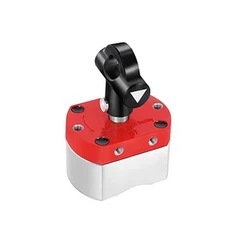

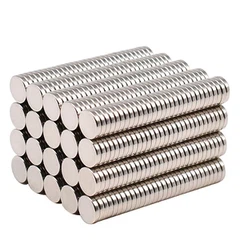
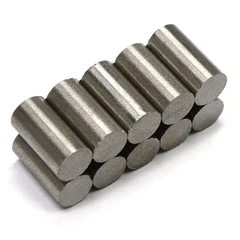
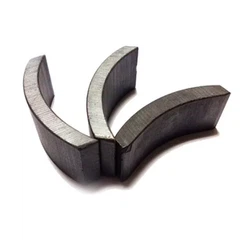
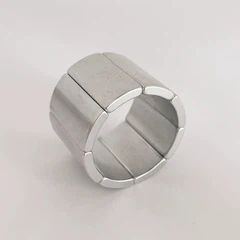
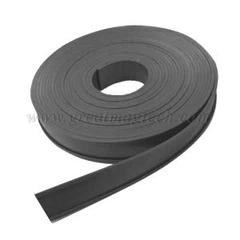
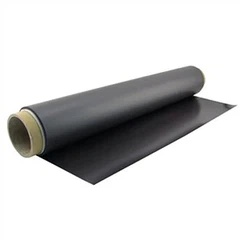
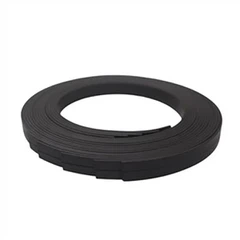



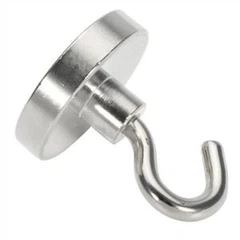
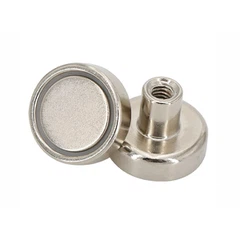
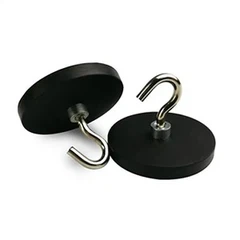
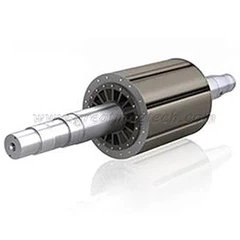


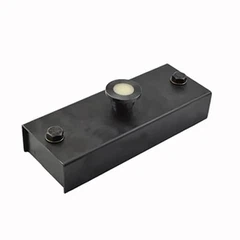




It may not seem like much at first, a magnet covered with rubber coating, but its creativity is unlimited. A powerful magnetic force binding onto the soft rubber coat allows many applications.
Rubber-coated magnets have numerous inventive uses, from home organization to industrial solutions and versatile and dependable ways of holding, fastening or hanging objects practically and imaginatively. Let us examine the limitless alternatives for the creative use of coated magnets in rubber.
What are Rubber-Coated Magnets?
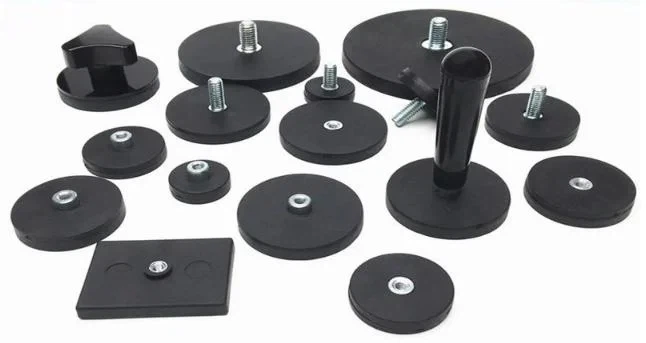
Rubber-coated magnets, also known as rubber magnets, are composed of neodymium magnets or ferrites, steel, and thermoplastic vulcanizate (TPV) rubber. These magnets typically feature one or more NdFeB magnets or ferrites arranged in a specific magnetic circuit, producing a robust closed magnetic field.
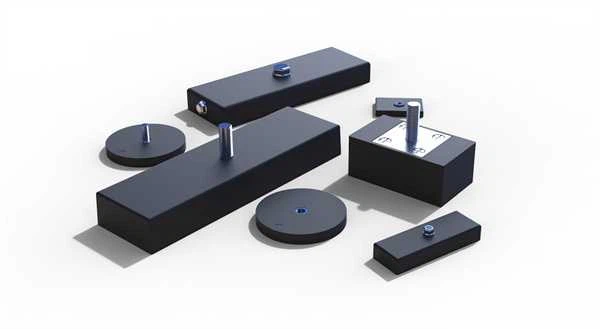
Encapsulated in rubber for extra protection, they amplify field strength and facilitate adaptable designs for a multitude of uses. Among the varieties available are rectangular and round base rubber-coated magnets, each providing comparable benefits despite their varying sizes and colors.
Magnetic Properties of Rubber Magnets
The magnetic properties of rubber magnets encompass several key characteristics that contribute to their versatility and effectiveness in various applications:
Magnetic Strength
Rubber magnets possess magnetic strength comparable to traditional magnets, allowing them to attract and hold ferromagnetic materials easily. Rubber magnets can exhibit sufficient magnetic force to fulfill holding and securing tasks in different scenarios despite their flexibility.
Flexibility
Rubber magnets are special because they can bend and twist easily. Unlike hard magnets, rubber magnets keep their magnetism even when bent. You can shape them into different forms without any hassle. Because of this, they're great for fitting onto weird surfaces or squeezing into tight spots. This makes them useful in many different situations.
Coercivity
Coercivity means how well a magnet can stay magnetic. Rubber magnets usually have okay coercivity. This means they can keep their magnetism well during regular use. Although not as strong as other magnets, rubber magnets still work well for many jobs.
Corrosion Resistance
Rubber magnets don't easily rust because they're coated in rubber, not metal. This means they last long, even in wet or harsh places where regular magnets might get damaged. So, you can use rubber magnets both inside and outside, even if it's rainy or there are chemicals around.
Temperature Stability
Rubber magnets demonstrate good temperature stability, remaining effective within various temperatures. While extreme heat or cold may affect their magnetic properties somewhat, rubber magnets can generally withstand temperatures ranging from sub-zero to moderate heat without significant performance loss. This temperature stability makes them suitable for use in various climates and environments.
Manufacturing Process of Rubber-Coated Magnets
Here's how rubber-coated magnets are made:
Choosing Materials: Pick top-quality stuff like neodymium magnets, ferrites, steel, and TPV rubber. These materials are both strong and magnetic.
Putting Magnets Together: Arrange the neodymium magnets or ferrites in a special way to maximize their power and create a super-strong magnetic field.
Preparing Rubber Coating: Get the TPV rubber ready for coating by mixing it with sulfur or other curing agents. Then, heat it to help the vulcanization process.
Vulcanization: Heat the rubber-coated magnets under pressure. This makes the rubber tougher and more flexible by connecting its molecules.
Shaping: Once the rubber is set, shape the magnets as needed. This might involve cutting or forming them into different shapes and sizes.
Checking Quality: Ensure the rubber-coated magnets meet high standards by checking them carefully during each process step.
Types of Rubber-Coated Magnets
Rubber-coated magnets come in different varieties, which are tailored to different purposes. These include:
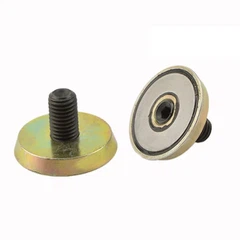
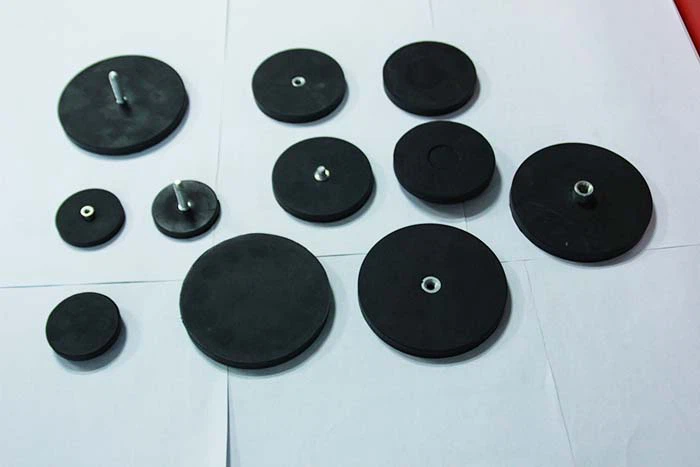
Threaded Stem-Type Rubber Coated Magnet: Featuring threaded stems for easy installation and unfixing, these magnets are versatile and adaptable to various mounting requirements.
Screw Socket-Type Rubber Coated Magnet: Furnished with screw sockets, these magnets offer options for firm fixation in wide applications.
Internal Thread-Type Rubber Coated Magnet: With internal threads, these magnets provide an easy-to-use attachment to compatible surfaces.
Countersunk Hole-Type Rubber Coated Magnet: These holes have a flush mount that merges the magnet into the surface, minimizing protrusions.
Applications of Rubber-Coated Magnets
Rubber-coated magnets exhibit versatility as they can be used in various industries due to their strong magnetic field strength and protective rubber coating. Let us go further into more applications of rubber-coated magnets.
Cable Management
Beyond simplifying wire and cable organization, rubber-coated neodymium magnets with cable tie mounts can also be utilized in various industrial and commercial settings. These magnets are invaluable in data centers, where they can efficiently manage extensive cable networks, ensuring neatness and accessibility.
Similarly, in telecommunications facilities, rubber-coated magnets aid in organizing cables and wires, facilitating maintenance and troubleshooting tasks. Moreover, in entertainment venues such as theaters and concert halls. These magnets assist in securing cables and managing audiovisual equipment, contributing to seamless performances and events.
Mounting with Working Lights
In addition to securing working lights, rubber-coated magnets offer versatile mounting solutions for various applications. In temporary settings such as construction sites, these magnets can mount portable fans to provide ventilation for workers.
Furthermore, in outdoor environments such as festivals or sports events, rubber-coated magnets are ideal for mounting signage to guide attendees or emergency equipment to ensure safety and preparedness.
Installation of Beacons
Beyond vehicle roofs, rubber-coated magnets find diverse applications in various industrial and commercial settings. For instance, in construction sites, these magnets can be used to install beacons on machinery and equipment, enhancing visibility and safety in hazardous work environments.
Similarly, in marine vessels, rubber-coated magnets aid in securing beacons to improve navigation and ensure maritime safety. Additionally, on roadside barriers and traffic cones, these magnets help install beacons to alert drivers and enhance road safety in construction zones or accident-prone areas.
Fixing Cameras and Accessories
Rubberized magnets offer versatile solutions for mounting security cameras and accessories indoors and outdoors. In indoor surveillance systems, these magnets securely attach cameras and lighting fixtures to walls or ceilings, ensuring optimal coverage and surveillance.
Similarly, in outdoor settings such as parking lots or building exteriors, rubber-coated magnets discreetly assist in mounting cameras and sensors, providing effective surveillance without compromising aesthetics or functionality.
Mounting Ladders
In addition to ladder mounting, rubber-coated magnets serve various purposes on construction sites. These magnets can secure scaffolding to support workers accessing elevated areas temporarily.
Moreover, rubber-coated magnets assist in securing safety barriers and temporary signage to ensure hazard-free work environments and compliance with safety regulations.
Hanging Instruments and Devices
Whether in workshops, laboratories, or homes, rubber-coated magnets offer versatile solutions for organizing tools, utensils, and equipment. In workshops, these magnets can support hand tools and equipment on metal surfaces, keeping workspaces tidy and maximizing efficiency.
Similarly, rubber-coated magnets aid in hanging instruments and devices in laboratories, providing easy access and optimizing space utilization. Moreover, these magnets can organize kitchen utensils and household tools in homes, enhancing convenience and functionality.
Vehicle Tool Mounting
Rubber-coated magnets aren't just for holding tools; they're also handy for securing vehicle accessories. For car enthusiasts and pros, these magnets are great for attaching antennas to roofs or hoods without any permanent fixtures needed. They also help mount license plate frames and emergency lights, giving a flexible and temporary solution for car accessories.
Advantages of Rubber-Coated Magnets
Rubber-coated magnets offer many advantages across various industries, making them a preferred choice for multiple applications.
Corrosion Resistance: The rubber coating makes These magnets super resistant to rust. With a thicker layer than regular magnets, they stay strong even in damp areas, keeping their magnetic power intact over time.
High Slip Resistance: Featuring enhanced friction properties, rubber-coated magnets boast high slip resistance, ensuring secure holding applications without the risk of slippage. This makes them ideal for holding tasks requiring reliable stability.
Temperature Adaptability: They effectively work in various environments starting from as low as 40°C and up to 80°C for broad temperature ranges due to high-temperature resistance, making them indispensable for different purposes.
Wide Range of Color Options: Unlike typical magnets, these can be of different colors; hence, they can be integrated into design and aesthetic preferences. There is always a color choice that can match blue, yellow, red, white or pink.
Increased Physical Strength and Durability: Rubber-coated magnets have longer lifespans than standard geomagnetic materials because a rubber layer protects them. It helps to prevent them from becoming brittle and breaking off and guarantees that the products will last for a long time.
Non-Reactivity towards Chemicals: They are usually referred to by scientists as rubber-covered magnets that resist reacting with chemicals compared to other types of magnets; hence, they are suitable for use in applications where a chemical attack is likely. Such nature enables them to serve for long periods and reliably in different settings.
Conclusion
In conclusion, rubber-coated magnets offer many advantages and applications across diverse industries. Rubber-coated magnets are reliable and versatile tools for various tasks, from their superior magnetic properties to their flexibility, corrosion resistance, and temperature stability. Whether used for holding, mounting, or securing objects, these magnets provide efficient solutions while ensuring longevity and durability. As technology advances, the demand for rubber-coated magnets is expected to grow, further cementing their importance in modern industrial and domestic settings.