








First, electroplating
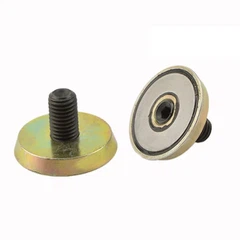
NdFeB electroplating is mainly nickel plating and zinc plating.
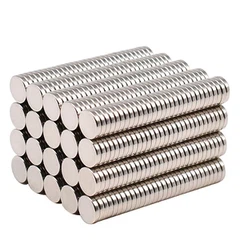
Nickel plating is divided into single nickel, double nickel, nickel copper-nickel, etc. according to the different coating structure; according to different appearance and color, it is divided into dark nickel, semi-bright nickel, and light nickel. Generally, the nickel plating layer is mostly bright nickel and semi-bright nickel with nickel-copper-nickel. The advantage of nickel plating is that the coating is more wear-resistant and has good environmental resistance. The disadvantage is that the nickel layer is a ferromagnetic substance, and the magnet has a certain influence on the magnetic properties, especially for thin and small products. The improvement method is to use part of the copper layer. alternative. Electroless nickel and electroplated nickel-phosphorus alloys have weak ferromagnetism, but they are more troublesome to strip and are generally not used as mainstream coatings.
Compared with electroplating, the nickel layer of electroless nickel is relatively uniform, but at present, it cannot be directly plated on the substrate of NdFeB, and chemical nickel uses a large amount of complexing agent and reducing agent, and the life of the plating solution is short and the driving force for plating is low. , High energy consumption, so it can not be used as a mainstream coating.
Nickel-plated products can also be plated with gold, silver, tin, chrome, imitation gold, black nickel, and other coatings according to the requirements of the coating.
NdFeB galvanized is generally made of chloride galvanized. From the perspective of domestic production, galvanized is a large type of plating, especially the electroplating of electric bicycle magnets is more prominent. The advantages of the coating are that it is cheap, and convenient, and the zinc layer is not ferromagnetic. The disadvantage is that the wear resistance and weather resistance are not as good as nickel plating. After galvanizing, the coating is generally passivated. Since hexavalent chromium passivation is eliminated, the commonly used passivation is trivalent chromium blue-white passivation and trivalent chromium color passivation. Of course, the passivation of the galvanized layer can also be as rich as the hardware; however, the current mainstream is trivalent chromium blue-white passivation. Some people have also used zinc-nickel alloys in the electroplating layer, but it has not yet become a conventional plating type for NdFeB electroplating.
Second, the conversion film
The conversion film of NdFeB mainly includes phosphating and passivation films. Since the conversion film belongs to the inter-work protection film, it is used for a long time, and many products will have flash rust and other phenomena.
Third, coating
The coating referred to here refers to the coating by electrophoresis, spraying, brushing, and dipping, excluding vapor coating. At present, the more common coatings are epoxy paint coatings, followed by Everlube coatings, Teflon coatings, and chrome-free Dacromet coatings. Due to the different types of coatings, epoxy coatings have different salt spray resistance tests, hardness, and color. Everlube coating is generally golden yellow with a metallic luster. It is improved from a solid lubricating film produced in the United States. The comprehensive performance of the coating is very good and has been commercialized. Teflon coatings are also commercially available. An advanced chrome-free dacromet is also a promising alternative to electroplating. Vapor coating includes the physical vapor deposition (PVD) method, physical vapor deposition is divided into three types: evaporation plating, sputtering plating, and ion plating, magnets can form Al, Zn, Cr, and other coatings; chemical vapor deposition (CVD) can form Ti, Cr and other nitride, carbide coatings; chemical vapor deposition (CVD) polymer coating Perlin and so on.