















Magnet is a word that you might have heard in one way or another. Be it a magnetic product, a play magnet, or a loved fridge magnet, you might already be familiar with a magnet. But do you know the process behind magnet construction? And what qualities make some magnets superior to others? It might interest you to explore the science behind the magnets' construction and the process of crafting superior-quality magnets. In this blog, I am going to unveil all you need to know about the construction of magnets.
To start with I would like to state the inherent meaning of magnet. Any material that can produce a magnetic field is referred to as a magnet. To go into detail about the science of magnet construction, it is important to understand why we are stressing the construction of magnets in the first place. It is because of the extensive usage of magnets in multiple industries and products that are used in daily life.

Uses of Magnets
Here are some uses of magnets that will give you an idea of why we are so invested in finding out the techniques behind their construction.
• Industrial uses: Magnets are used in many industrial products across multiple industries such as transformers, motors, and generators. Another popular use of magnets is in the form of electromagnets whereby users can control the strength of magnets by tuning the electric current. All these industrial products are widely used and are facilitating the consumers.
• Instruments: Magnets are used in many laboratory instruments, educational demonstration equipment, and instruments used in scientific experiments.
• Storage products: Some storage devices such as magnetic tapes and hard disk drives also use magnetic tapes that can store digital information. The magnetic tapes on the surface of these storage devices help to store data that can be accessed later.
• Fridge magnets: fridge magnets are devised with magnets in various shapes and designs to make your refrigerators more attractive. These magnets are also used to hold important notes and pictures on the fridge door.
• MRI: Magnetic Resonance Imaging also known as MRI is a popular device used in medical practices. As the name represents, this machine also used magnets to devise a detailed image of human body parts that cannot be seen through the naked eye. The magnets used in this machine craft a strong magnetic field which creates clear and detailed images.
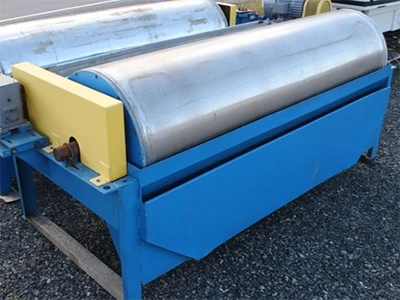
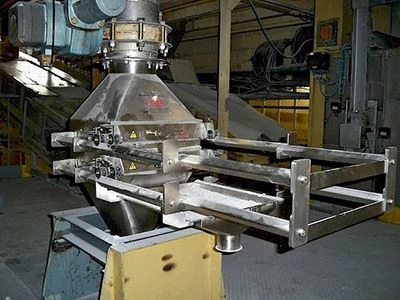
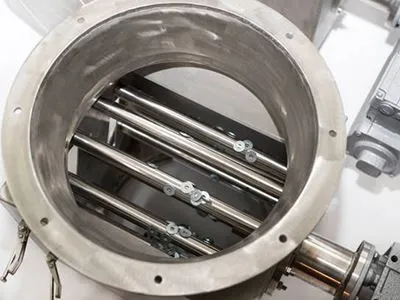
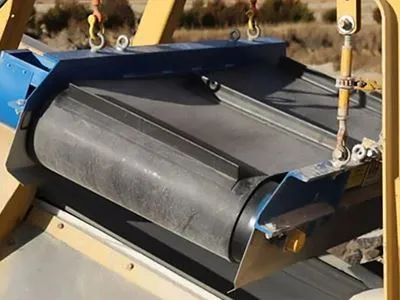
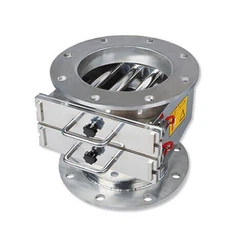
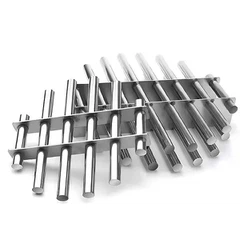
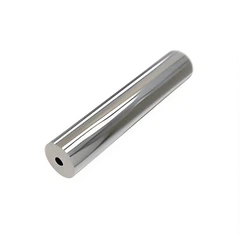
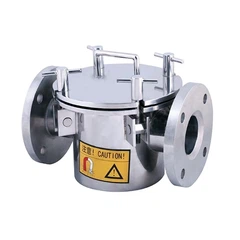
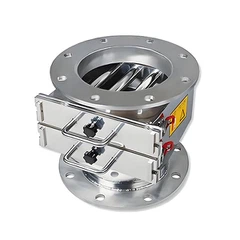
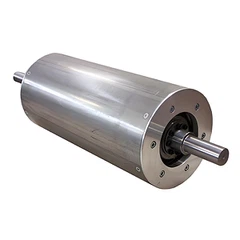
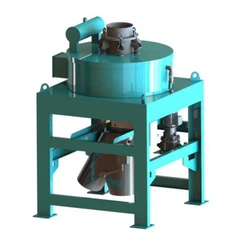
• Magnetic separators: Magnets are getting extremely popular in magnetic separators as well which are used in separating the ferric impurities from the non-magnetic substances. It is extremely popular in the recycling and mining industries.
• Security systems: Magnets are being used in various security systems such as magnetic locks that offer secure lock systems indoors.
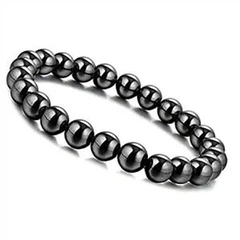
• Jewelry items: Magnets are also used in many jewelry items such as necklaces and bracelets. The magnetic clasp makes it easy to wear the jewelry.

Construction of magnets
Owing to the wide applications of magnetic products, the magnets are constructed in various ways so that they can be used in multiple ways. Here, I am sharing the most famous and common ways in which magnet construction is done.
• Electromagnets: As the name represents, electromagnets are magnets that can be controlled by handling the electric current flow. These magnets are constructed by rounding up a wire (usually a coil of wire) around a magnetic object. When the current is passed through this wire it helps to create a magnetic field. The magnetic field stays as long as the current flows through the wire. Usually, copper wire is used to create electromagnets because copper is a good conductor of electricity.
• Ferromagnets: The magnets created from the ferromagnetic materials are known as ferromagnets. These magnets are created from strong materials such as nickel, iron, and cobalt. The ferromagnets are exposed to extremely strong external magnetic fields. Such exposure helps to strengthen the magnetic domain in these materials which makes them permanent magnets. Permanent magnets are those that can retain their magnetic properties even when they are not triggered by any external force such as a magnetic field or electric current.
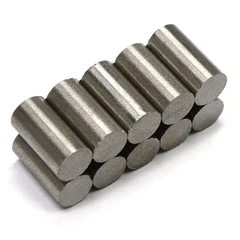
• ALNICO magnets: Alnico magnets are crafted by combining aluminum (AL), nickel (NI), and cobalt (CO). Sometimes iron is also added in the mixture to craft this magnet. Alnico is a really strong magnet that can create a strong magnetic field as compared to regular magnets.
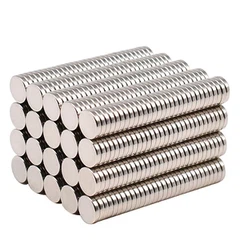
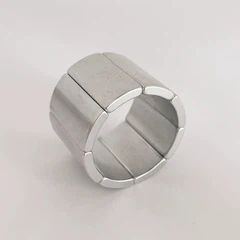
• Neodymium magnets: Created from the alloy of boron, neodymium, and boron, these magnets are quite strong. To strengthen the atomic structure within this magnet, the raw elements are melted and then cooled while surrounded by a strong magnetic field. This production method is what makes the neodymium strong permanent magnets.
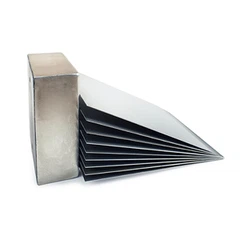
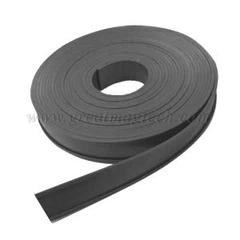
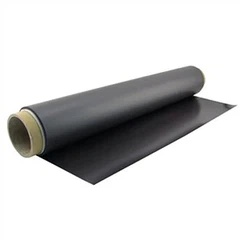
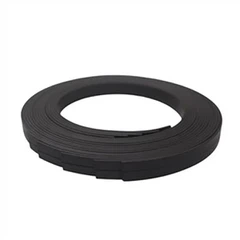
• Flexible magnets: the magnets created by mixing the ferric elements in a flexible material which often looks like a rubber are called flexible magnets. They are often used in magnetic strips and fridge magnets.
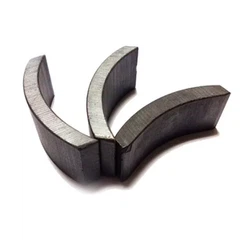
• Ceramic magnets: the magnets created from barium, iron oxide, and strontium particles are called ceramic magnets. These magnets are crafted by following the sintering process whereby the raw material is heated and then cooled down in a strong magnetic field to strengthen the atomic structure of particles.
The Science Behind Magnets Construction
The science behind high-quality magnet construction is to follow the entire construction process with utmost care and precision. Here are some of the steps that will help you understand what efforts you need to take to ensure that the magnet you created is of superior quality.
• Raw material selection: Choosing high-quality raw materials is of utmost importance. The quality of raw material dictates the performance of the magnets.
• Alloy composition: you must melt the raw material and turn it into a homogenous alloy so that it can have the desired properties you need in the magnets.
• Careful processing: To craft high-quality magnets you need to be careful through the entire processing. You need to precisely control all measures especially temperature to make sure that the magnets are crafted with the desired properties.
• Quality control: You need to test the magnet for magnetic properties, visual inspection, and calculating the dimensions to cross-check the quality of the magnets.
• Careful inspection: Careful inspection of the crafted magnets is needed before packing these to make sure that they have all the desired qualities.