









Installing a crossbelt magnet is not just about placing a magnet above a conveyor. The installation directly affects how well the system can remove tramp metal from the material flow. In many cases, poor separation performance is caused by installation problems rather than the magnet itself. Small setup details can make a noticeable difference.
If the suspension height is incorrect, the magnetic field may not reach deep enough into the burden. If the magnet width or positioning does not match the conveyor, metal particles can pass through without being captured. These problems often appear after changes in conveyor speed, material depth, or plant layout.
Understanding a few key installation factors can help you improve recovery efficiency, reduce metal leakage, and keep the system working more consistently over time.
What Is a Crossbelt Magnet?
A crossbelt magnet, also called an overband magnet, is a self-cleaning magnetic separator installed above a conveyor belt to automatically remove tramp ferrous metal from moving material streams. It is commonly used in industries such as recycling, mining, aggregates, wood processing, and bulk material handling.
The system is mounted across the conveyor, which is where the name comes from.

Magnetic Separator Self-Cleaning
Send Inquiry Now

Magnetic Separator Self-Cleaning
Send Inquiry Now
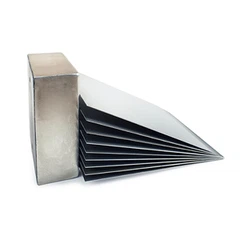
A typical crossbelt magnet includes a magnetic block, a self-cleaning belt, rollers, and a support frame. As material passes underneath, ferrous contaminants are lifted out of the product flow by the magnetic field. The self-cleaning belt then carries the captured metal away from the conveyor and discharges it to the side during continuous operation.
Crossbelt magnets are often used as protective systems in processing lines. By removing unwanted metal before it reaches downstream equipment, they help reduce equipment damage, prevent processing interruptions, and improve material quality.
Why Correct Installation Matters
Installing a crossbelt magnet correctly affects more than just metal removal. The way the system is positioned above the conveyor directly influences recovery performance, belt operation, and overall process stability.
Recovery Efficiency
A crossbelt magnet works best when the magnetic field is properly aligned with the material flow. If the suspension height is too high or the positioning is off-center, some ferrous metal may pass through without being captured.
Even a strong magnet can lose efficiency if the installation is not matched to the conveyor conditions. Material depth also matters. A thick burden can reduce how deeply the magnetic field reaches into the product stream.
Conveyor and Belt Performance
Installation also affects how the conveyor and self-cleaning belt operate during continuous use. If the discharge area is too small or the alignment is incorrect, captured metal may not clear properly from the belt. Over time, this can lead to buildup, uneven belt wear, or unstable operation.
Consideration #1: Suspension Height
Suspension height is one of the most important factors when installing a crossbelt magnet. Even if the magnet itself is strong enough, the separation performance can drop quickly if the distance from the conveyor is not suitable for the material being processed.

Why Height Affects Magnetic Reach
The magnetic field becomes weaker as the distance increases. If the crossbelt magnet is mounted too high above the conveyor, the field may not reach deep enough into the material burden to lift ferrous contaminants effectively.
This is especially important when the depth of the burden changes during operation. A thick material layer can reduce how easily metal pieces are exposed to the magnetic field. In these situations, the actual working distance is greater than it first appears.
Problems Caused by Incorrect Height
If the suspension height is too high, smaller metal particles may pass through without being captured. Recovery efficiency usually drops first for fine contaminants because they are harder to pull out from deeper within the material flow.
Mounting the magnet too low creates different problems. The magnet or self-cleaning belt may come into contact with large material pieces, which can lead to belt damage, unstable operation, or material buildup around the system. Clearance matters as much as magnetic strength.
Adjusting Height for Different Materials
Different materials require different installation heights. Lightweight materials with a shallow burden can often be processed with a greater suspension distance, while dense or heavy materials may require the magnet to be positioned closer to the conveyor.
Conveyor speed and tramp metal size also affect the setup. Larger metal pieces are easier to capture from a distance, while smaller contaminants usually require a stronger field and shorter working gap.
Consideration #2: Magnet Width vs Conveyor Width
Correct suspension height does not guarantee full metal recovery. The relationship between magnet width and conveyor width also affects how much of the material stream is actually covered by the magnetic field during operation.
Matching Magnet Width to Conveyor Width
A crossbelt magnet should be properly matched to the conveyor width and material burden. If the magnetic area is too narrow, metal near the edges of the conveyor may not be exposed to enough magnetic force to be captured effectively. This problem becomes more noticeable when the material is unevenly distributed across the belt.
In some plants, the conveyor may be upgraded or widened while the original crossbelt magnet remains in place. Even if the magnet is still operating, the magnetic coverage may no longer match the conveyor conditions.
Wider conveyors often require larger magnets or different installation positions to maintain consistent separation performance.
Discharge Area and Material Trajectory
The discharge area is another part of the installation that is often overlooked. After ferrous metal is lifted from the conveyor, it needs enough space to separate cleanly from the main material flow.
If the discharge path is too close to the conveyor or blocked by surrounding structures, captured metal can fall back onto the belt instead of being discharged properly.
Material trajectory also changes with conveyor speed and metal size. Larger pieces usually separate more easily, while smaller or lighter contaminants may follow the material flow longer before leaving the magnetic field.
Consideration #3: Magnet Positioning Over the Conveyor
Even when the suspension height and magnet width are correct, positioning still affects how efficiently a crossbelt magnet removes ferrous metal from the conveyor. Small alignment differences can change how the magnetic field interacts with the material flow during operation.

Centerline Positioning
The center area of a crossbelt magnet usually provides the strongest and most stable magnetic field. Because of this, the magnet should be aligned as closely as possible with the center of the conveyor and the main material stream.
If the material flow is concentrated more heavily on one side of the belt, the positioning may need to be adjusted slightly to match the actual operating conditions.
The goal is to place the strongest part of the magnetic field where the highest amount of tramp metal is expected to pass.
Effects of Off-Center Installation
When a crossbelt magnet is installed too far to one side, the magnetic coverage across the conveyor becomes uneven. One side may receive strong magnetic exposure, while the opposite side experiences weaker separation performance. This can lead to inconsistent recovery results over time.
Smaller ferrous particles are usually affected first because they require stronger field exposure to be lifted from the material burden. In some cases, operators may assume the magnet strength has dropped when the actual problem is installation alignment.
Positioning and Material Flow Direction
Material flow direction also affects how the magnet should be positioned. Conveyor speed, burden shape, and discharge direction all influence how metal moves through the magnetic field before separation occurs.
A stable setup should allow captured metal to move cleanly away from the main product stream without interference from surrounding structures or returning material.
Positioning is not only about where the magnet sits above the conveyor. It is also about how the entire separation path works during continuous operation.
Common Installation Mistakes to Avoid
Even a properly selected crossbelt magnet can lose efficiency if common installation details are overlooked. Many long-term performance problems are related to changes around the conveyor system rather than the magnet itself.

Ignoring Conveyor Changes
Conveyor conditions often change over time. Belt speed may increase, the conveyor width may be modified, or the material burden may become deeper than before. If the original magnet position and suspension height are not adjusted after these changes, recovery performance can gradually decline.
In some cases, the magnet is still operating normally, but the working conditions are no longer the same as when it was first installed.
Lack of Maintenance Space
Maintenance space is another detail that is sometimes ignored during installation. If the crossbelt magnet is mounted too close to surrounding equipment or structural supports, cleaning and inspection become more difficult.
Limited access can also affect belt tracking and discharge performance during operation. A system that is hard to maintain usually becomes harder to operate consistently over time.
Uneven Material Burden
An uneven material burden can reduce separation consistency across the conveyor. When most of the material flows through one side of the belt, the magnetic field may not be used evenly across the full working area. This can lead to missed contaminants and unstable recovery results, especially when smaller ferrous particles are mixed into the material stream.
Crossbelt Magnet Installation Checklist
Before starting operation, it is helpful to review several key installation points to make sure the crossbelt magnet is properly matched to the conveyor and material conditions. Small adjustments during installation can improve long-term separation performance and reduce operating problems later.
| Installation Item | What to Check |
|---|---|
| Suspension Height | The magnet is installed at the correct working distance from the conveyor |
| Conveyor Width Match | Magnetic coverage is suitable for the full conveyor width |
| Magnet Positioning | The magnet is aligned with the center of the material flow |
| Discharge Area | Enough space for the removed metal to discharge cleanly |
| Material Burden Depth | The material layer is within the effective magnetic reach |
| Belt Tracking | Self-cleaning belt runs smoothly without drifting |
| Structural Clearance | No nearby structures interfere with operation or maintenance |
| Conveyor Changes | Installation is still suitable after speed or width modifications |
Applications of Crossbelt Magnets in Different Industries
Crossbelt magnets are used in many industries, but the installation conditions are not always the same. Material type, conveyor speed, and burden depth can all affect how the system should be positioned above the conveyor.

Recycling and Scrap Processing
In recycling plants, material streams are often uneven and unpredictable. Ferrous contaminants may vary from small metal fragments to larger scrap pieces. Crossbelt magnets in these environments usually need flexible positioning and enough discharge space to handle mixed material flow consistently.
Mining and Aggregates
Mining and aggregate operations typically involve heavy materials and deeper burden depths. In these conditions, suspension height becomes especially important because the magnetic field needs to reach through a thicker layer of material. Dust, vibration, and continuous operation also place higher demands on the overall installation setup.
Wood and Biomass Processing
Wood chips, biomass, and similar lightweight materials often move at higher conveyor speeds. Although the burden may be lighter, smaller ferrous contaminants can still be difficult to capture if the magnet positioning is not properly adjusted. A stable installation helps maintain consistent separation performance without interrupting material flow.
Conclusion
Installing a crossbelt magnet correctly is not only about mounting the equipment above a conveyor. Suspension height, magnet width, and positioning all affect how efficiently ferrous contaminants are removed during operation. Small installation differences can lead to noticeable changes in recovery performance over time.
The best setup depends on the actual working conditions, including conveyor size, burden depth, material flow, and operating environment. A system that works well in one application may require adjustments in another process line. Great Magtech provides different crossbelt magnet solutions for industries such as recycling, mining, aggregates, and bulk material processing to match different conveyor and material conditions.
FAQs
Q: Can one crossbelt magnet work for different conveyor systems?
A: Sometimes, but not always. Changes in conveyor width, belt speed, or burden depth can affect separation performance. A setup that works well on one conveyor may not perform the same way on another line.
Q: Can crossbelt magnets be customized for different applications?
A: Yes. Factors such as conveyor width, suspension height, material type, and operating environment can all affect the design. Different industries often require different magnet sizes, belt configurations, and installation layouts.
Q: Can crossbelt magnets handle wet or sticky materials?
A: Yes, but wet or sticky materials can affect discharge performance and increase material buildup around the system. In these environments, installation clearance and maintenance access become more important.
Q: Is a stronger magnet always the better choice?
A: Not necessarily. Magnet strength should match the conveyor conditions and material flow. In some cases, installation height, positioning, or burden distribution has a bigger effect on performance than simply increasing magnetic strength.
Q: Why does metal sometimes fall back onto the conveyor after being captured?
A: This usually happens when the discharge area is too small or the discharge trajectory is not properly aligned. Material buildup or poor positioning can also interfere with clean metal discharge.
Q: Can installation conditions affect equipment wear?
A: Yes. Poor alignment, insufficient clearance, or material buildup can increase stress on belts, rollers, and surrounding conveyor components during long-term operation.