









The world's first drone was Ruston Proctor Aerial Target, launched during World War 1 by British engineer Archibald Low. It was the first military drone in history, and also the first unmanned, radio-controlled aircraft.
However, the RPAT drone wasn't like anything we call drones today. It was designed only as a drone plane to trick Germans into believing it was a target for their anti-aircraft weapons. It also didn't have any motors or magnets, given it was radio-controlled and relied on radio signals to control its flight.
Modern drones are different. They are designed to spy and/or attack and use a magnetic mechanism to maneuver through the skies. These drones use different types of magnets to generate the necessary magnetic field for propulsion.
Read on to get a detailed view of the applications of magnets used in modern drones!
Applications of Magnets Used in Modern Drones
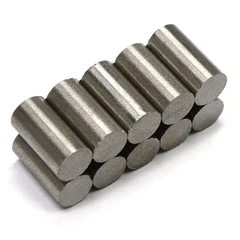
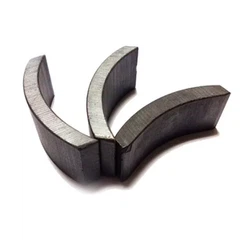
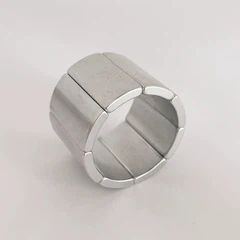
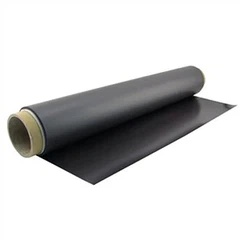
Mainly, drone motors use different types of magnets:
Ferrite magnets
Alnico magnets
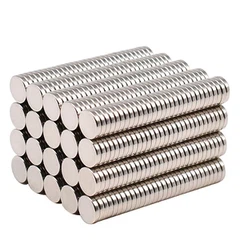
Neodymium magnets
Samarium–cobalt magnets

Here is a detailed explanation of the applications of magnets used in modern drones:
Ferrite Magnets
These magnets are also known as ceramic magnets. They are frequently used in drone motors due to their many features like affordability and robustness.
First, they are composed of iron oxide mixed with other materials like barium or strontium carbonate. This makes them suitable for drone applications where high magnetic strength is not necessarily required but reliability and cost-effectiveness are most important.
For example, drones designed for recreational use or hobbyists use Ferrite magnets. In these drones, the motors need to provide sufficient power for flight, but they don't usually require the extreme magnetic strength that other professional or industrial drones require.
Moreover, consumer drones are also designed with affordability in mind to make them accessible to a wide range of users. Therefore, using ferrite magnets in the motors is a good way to keep production costs down while still providing adequate magnetic strength.
Alnico Magnets
Alnico magnets take their name from the three elements they are made of: aluminum, nickel, and cobalt (hence the name "AlNiCo").
These magnets are known for their strong magnetic properties and high coercivity (resistance of a magnet to demagnetization). Because of these features, Alnico magnets are most suitable for applications where high magnetic strength is required.
In drones, these magnets are used in specialized motors that require precise control and stability. Like those used in professional aerial photography or industrial drone applications.
Furthermore, Alnico magnets also feature good temperature stability and can maintain their magnetic properties even at higher temperatures.
Drones with Alnico magnets in their motors can perform in severe environmental conditions without experiencing much degradation in motor performance. Like in outdoor settings where temperature variations can occur, such as in hot climates or during prolonged periods of operation.
Neodymium Magnets
Neodymium magnets (or NdFeB magnets) are one of the strongest permanent magnets available. They are composed of neodymium, iron, and boron, and have exceptional magnetic strength.
In drones, neodymium magnets are commonly used in brushless DC (BLDC) motors due to their high power-to-weight ratio and efficiency. BLDC motors are popular for drones as they feature higher propulsion. Because of this, they offer precise control, high torque, and low maintenance requirements.
Another great feature of Neodymium magnets is that they can generate strong magnetic fields despite being small and lightweight. This makes them an excellent option for high-performance drones such as those designed for aerial photography.
Samarium–cobalt Magnets
Samarium–cobalt (SmCo) magnets are popular for their advanced performance and efficiency. These high-performance magnets have exceptional magnetic stability, even under extreme conditions such as high temperatures or corrosive environments.
It's because of these features that SmCo magnets are used in modern drone motors and sensors. In drone propulsion systems, SmCo magnets provide the necessary magnetic force to drive the motors efficiently.
Additionally, in drone navigation systems, these magnets play a key role in the accuracy and reliability of onboard sensors. Because of their precise positioning and navigation, SmCo magnets are added to drones designed for tasks like aerial mapping, surveillance, and delivery operations.
Not just that, but their high precision and reliability make SmCo magnets excellent for different tasks like taking pictures or delivering goods without any problems.
Applications of Drones in Military
Military drones are different from regular drones, also known as unmanned combat aerial vehicles (UCAVs). Though they share the same basic design, they are upgraded to work better in emergency situations like war.
These types of drones are typically larger, more advanced, and capable of carrying weapons such as missiles or bombs. They are used for many tasks, like reconnaissance, surveillance, intelligence gathering, and combat operations. To make sure they can complete their job, UCAV drones come with long-range capabilities and advanced sensor systems.
Moreover, military drones, with their high-resolution cameras and sensors, gather real-time intelligence. They excel at providing crucial information about enemy positions, movements, and activities without putting soldiers at risk.
Other than that, military drones are used for logistical purposes. They can supply chain management and resupply missions. They can also transport goods, medical supplies, and equipment to remote or inaccessible areas quickly.

Applications of Drones in Other Industries
Other than the military, drones have diverse applications in various industries, like:
Agriculture: Agriculture: Drones can monitor crops and are used for precision agriculture, pesticide spraying, and fertilizer application.
Construction: Drones are used to survey sites, track projects, and inspect the area safely.
Film and Media: Aerial cinematography and photography for movies, documentaries, and events.
Environmental Conservation: Drones are good for tracking wildlife and monitoring habitat.
Emergency Response: Drones work great in emergency situations, for search and rescue operations, disaster assessment, and delivery of medical supplies.
Infrastructure Maintenance: Bridge and dam inspections, road and railway monitoring.
Transportation and Logistics: Drones can be used for inventory management, package delivery, and warehouse optimization.
Conclusion
Apart from taking cool pictures and videos from the sky, drones have various other applications. Especially military drones which are used during war and emergency situations. These drones are specially designed to perform tasks such as reconnaissance, surveillance, and intelligence gathering without risking human lives. To make sure they are able to carry out such dangerous tasks, drones use advanced technologies, including a variety of magnets like ferrite, alnico, neodymium, and Samarium-cobalt magnets. These magnets are integrated into drone systems to enhance motor efficiency, sensor stability, and overall performance of the drone.