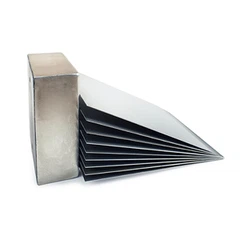

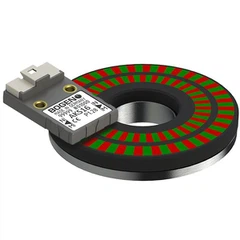

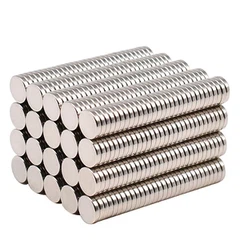
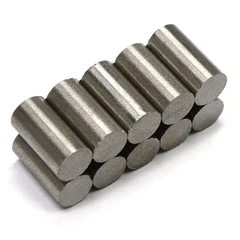
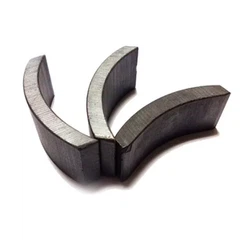
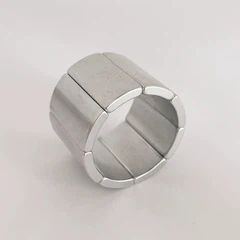

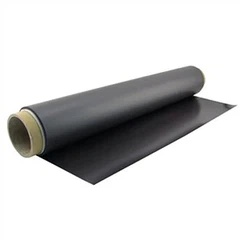
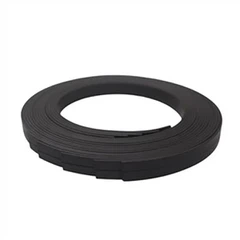



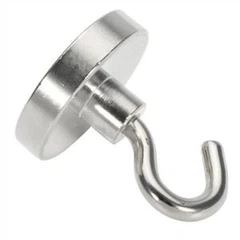
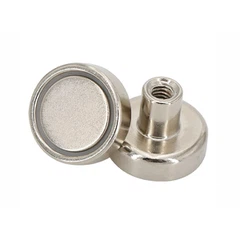
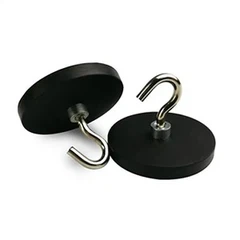
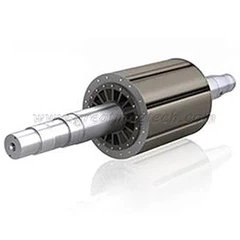





Rubber-coated magnets have become cardinal elements in many industrial, commercial, and medical scenarios due to their strength and variable properties, added to the benefit of protection that comes with them. Indeed, this strong magnetic field combined into one magnet wrapped in rubber makes the magnets highly applicable in sensitive situations, like extreme environmental conditions, where protection and performance are indispensable. Whether applied in material handling applications, consumer products, medical devices, or the automobile industry, the advantages of rubber-coated magnets over conventional magnets are their elasticity for fragile materials without causing damage and a longer life cycle span with safety features.
What Is a Rubber-Coated Magnet?
Rubber-coated magnets are magnetic materials with a rubber or elastomer layer applied to their surface. They are generally made from high-performance magnetic materials such as neodymium, ferrite, or samarium cobalt because these are naturally very strong magnets. The main idea of using this rubber coating on the magnet is to protect and ensure its surface safety.

This coating protects the magnet from wear and corrosion when it is exposed to outdoor conditions or chemicals. The rubber further ensures that the magnet does not damage surfaces or other materials it comes into contact with, something quite important in industries like medical devices and electronics.
Key Features of Rubber-Coated Magnets
1. Powerful Magnet Core: The core is made of core material such as neodymium or ferrite, which makes the magnet very powerful.
2. Rubber Coating: A layer of rubber prevents the magnet from corroding, enhancing its longevity and ensuring safety.
3. Flexible and Durable: Rubber-coated magnets can withstand wear and tear and are thus used in applications requiring harsh environments.
4. Surface Protection: The rubber does not scratch and damage sensitive surfaces, a feature critical in medical, electronics, and consumer applications.
The Principle Behind Rubber-coated Magnets
The principle of work in rubber-coated magnets is the same as in any other type of magnet: creating a magnetic field, which either attracts or repels ferromagnetic materials. The rubber coating does not interfere with the magnetic field but works like a protective barrier for both the magnet and the surface it touches.
Magnetic Field Interaction
Production of Magnetic Field: A flow of electric current through a wire in coil form generates a magnetic field. It is this magnetic field by which magnets show the property of attracting ferrous materials.

Protection Against the Environment: The rubber layer protects the magnet from corrosion caused by environmental factors like moisture, dust, and chemicals.
Effect of Rubber Coating on the Strength of Magnet
While the rubber coating adds durability and protection, it less affects the magnet's magnetic strength. The generated magnetic field remains powerful at its core even when covered with the material. The rubber does not lessen the magnet's performance, yet it protects it from breaking and chipping the material involved, which otherwise may lead to failure in performance.
Manufacturing of Rubber-Coated Magnets
The manufacturing process for rubber-coated magnets is sophisticated, involving several critical stages that must be followed if the product meets both performance and durability criteria. The basic stages involve magnetic core production, rubber coating application, and post-production testing.
1. Magnet Formation
The first step in manufacturing involves the creation of the magnetic core. Depending on the application, different magnetic materials are chosen:
Neodymium Magnets: These have the highest magnetic power and are widely applied in cases that demand high magnetic strengths.

Ferrite Magnets: Since they are inexpensive, ferrite magnets are widely applied in places where magnetic strength is not extreme.
Samarium Cobalt Magnets: These metals resist rust and are often used in very hot areas or applications.
2. Rubber Coating
The application of the rubber coating comes right after the creation of the magnetic core. The elastomers used in rubber can be:
Neoprene: It has very good chemical resistance and flexibility.
Silicone Rubber: It provides very good temperature resistance.
Polyurethane: offers excellent abrasion resistance and is generally used for industrial purposes.
During this step, the rubber is normally injected through either injection or compression molding processes. Injection molding is widely followed for making a rubber-coated magnet because, through injection molding, the perfect thickness can be given very precisely, with uniformity.
3. Curing and Quality Control
Curing will be needed afterward to set the rubber properly. The curing time may take minutes to several hours, depending on the type of rubber and the thickness of the coat. Heat is applied to the rubber, making it solid and durable.
After curing, the magnets undergo several quality control tests. These tests assess the magnetic strength and the strength of the rubber coating. For instance, magnets can be subjected to resistance tests such as temperature fluctuation, chemical exposure, and mechanical wear.
Applications of Rubber-Coated Magnets
Rubber-coated magnets are tough, safe, and versatile. The sections below take a closer look at some key industries and their applications of rubber-coated magnets.
Rubber-coated magnets are in action across various industries, including medical, consumer goods, and industrial applications.

1. Industrial Applications
Rubber-coated magnets are applied in industries due to their strong ability to perform heavy tasks without causing damage to the surface. Applications in this category include:
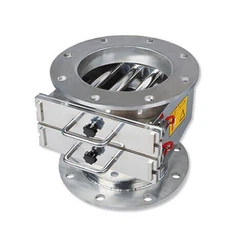
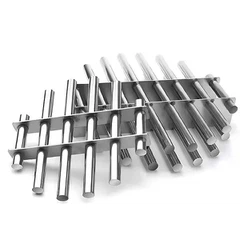
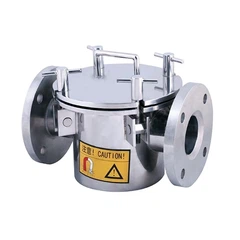
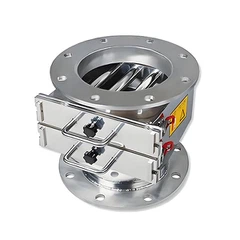
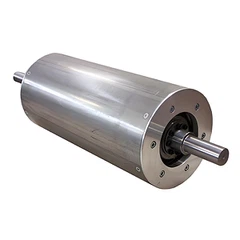
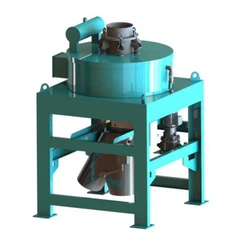
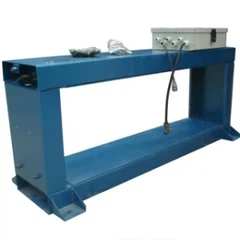
Magnetic Separators: These are rubber-covered magnets used at recycling plants and food manufacturing plants to clean the product of ferrous metal contaminants. The rubber covering on the magnet prevents it from damaging sensitive machinery or products.
Material Handling: Rubber-coated magnets are used to lift and move heavy metal objects on conveyor belts without damaging the goods and surfaces. Because of their flexibility can be adapted to different usages, from lifting to sorting and separating metals.
2. Application in the Automobile Industry
Rubber-coated magnets have their application in the automotive industry, where magnetic force is needed, but protection of both the surface and the magnet is required. Such applications include:
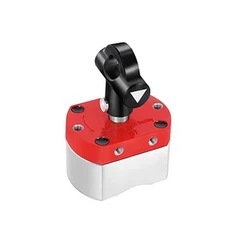
Magnetic Mounts: These are often used to hold components in place during testing, assembly, and shipping. They ensure that components stay in place but can be easily removed.
Electromagnetic Brakes: Rubber-coated magnets are used in braking systems for smooth, controlled deceleration without causing surface damage or wear.
3. Medical Devices
Rubber-coated magnets have a vital application in the medical sector because of their ability to create strong magnetic fields safely without hurting patients or sensitive equipment:
MRI Machines: MRI machines work using powerful magnets in order to create images of the inside of the body. Most of the magnets used in MRI machines are usually rubber-coated to protect the machinery and keep the patients safe.
Medical Applications: Rubber-coated magnets are used in various medical applications, including prosthetics, orthotics, and hearing aids. They may be used to hold devices in place or to power components, but must not cause damage to the body or the device.
4. Consumer Goods
Applications in consumer goods include:
In fridge magnets: The rubber coating is usually necessary because it does not scratch the fridge and will make the magnets last a bit longer.
Electronics: Rubber helps keep some components, such as microphones and speakers, in place in electronics.
5. Construction and DIY Applications
In construction and do-it-yourself activities, rubber coating has several applications. Some of the uses are as follows:
Tool Holders: Magnetic tool holders with a rubber coating allow workers to place and retrieve tools at will without having to be overly concerned about damage or scratches.
Safety Devices: The rubber-coated magnets, such as magnetic locks and switches, are applied in different safety devices to lock equipment for the prevention of accidents.
How to Choose the Right Rubber Coated Magnet?
Choosing the right rubber-coated magnet starts with understanding your actual load and working conditions. Not all mounts are designed for the same job.
Know the Required Holding Force
First, estimate how much weight the magnet needs to hold.
Consider:
The weight of the object
Whether there will be vibration
Vertical or horizontal mounting
A safety factor (usually 2–3 times the load)
If the magnet is used on a vehicle or moving equipment, always choose a higher pull force rating than the minimum required.
Check the Mounting Method
Rubber-coated magnets come with different connection types.
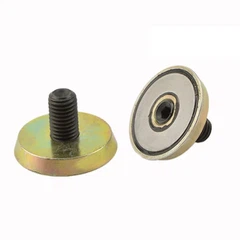
Internal thread
External threaded stud
Countersunk hole
Hook or custom fittings
Choose a thread type that matches your installation structure. This prevents extra adapters and reduces installation time.
Consider the Surface and Environment
Are you mounting on painted steel, stainless steel, or a curved surface?
Rubber coating protects delicate surfaces and increases friction. For outdoor use, check temperature limits and weather exposure. High humidity and heat can affect long-term performance.
Match Size to Space
Larger diameter magnets usually provide a stronger holding force. But space may be limited. Balance size, strength, and available mounting area.
When in doubt, test one sample before full production. It saves time later.
FAQs
Q: What is the difference between a rubber-coated magnet and a standard pot magnet?
A: A rubber-coated magnet has a protective rubber layer around the steel cup. This coating prevents scratches and increases friction. A standard pot magnet has a metal surface, which may damage painted or delicate materials.
Q: Are rubber-coated magnets waterproof?
A: The rubber layer helps protect the magnet from moisture. However, they are not designed for full underwater use unless specially sealed. For outdoor projects, always confirm the working environment.
Q: How strong are rubber-coated magnets?
A: Pull force depends on diameter, magnet grade, and surface contact. Larger diameters usually provide higher holding strength. The actual holding force also depends on the thickness and quality of the steel surface.
Q: What temperature can rubber-coated magnets withstand?
A: Most standard models work up to around 80°C. Higher temperatures may reduce magnetic strength. For hot environments, confirm the magnet grade before ordering.
Q: Can rubber-coated magnets be customized?
A: Yes. You can customize diameter, thread type, magnet grade, and rubber color depending on your application. Custom options are common in industrial projects.
Q: What thread types are available?
A: Common options include internal thread, external threaded stud, and countersunk hole. The right choice depends on how you plan to attach the mounted equipment.
Conclusion
The versatility of rubber-coated magnets can withstand heavy use in many applications involving industries ranging from industrial manufacturing to medical appliances to consumer goods. This is because they represent the right amalgamation of strength, protection, and safety. Fully understanding their principles, manufacturing processes, and applications clarifies why they are an important staple in many fields.
With technology continuously growing, the demand for durable, reliable, and safe magnets will surely increase. Hence, the use of rubber-coated magnets will always be important to modern life.