









If you've ever compared prices for magnetic separators, you may have noticed significant differences. At first glance, many models appear similar. Both remove metal contamination from material streams. Both are designed to protect equipment and improve product quality. So why does pricing vary so much?
The answer often comes down to performance, reliability, and application fit. In industries where contamination control is critical, the margin for error is small. A missed metal fragment can lead to equipment damage, production delays, product recalls, or safety issues.
When you evaluate magnetic separators, it is not only about initial cost. It is about how the system performs under real operating conditions and how consistently it protects your process over time.
Key Takeaways
Food-grade magnetic separators are designed to support contamination control in regulated processing environments. The difference in price compared with standard industrial models reflects stricter material selection, hygienic design, and documented quality control.
When evaluating equipment, you need to consider operating conditions, cleaning procedures, audit requirements, and long-term reliability. Properly specified magnetic separation systems help maintain process stability and reduce operational risk.
At Great Magtech, we provide food-grade magnetic separators tailored to pipeline size, product flow, and sanitation standards. If you are reviewing your current contamination control system or planning a new production line, you can share your technical specifications with our team for application-focused support.
What Are Food-Grade Magnetic Separators?
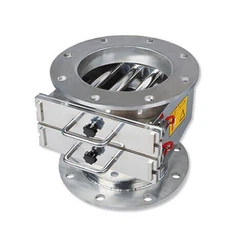
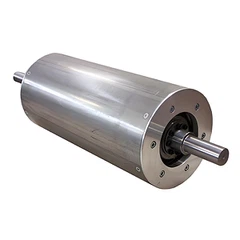
Food-grade magnetic separators are designed specifically for use in food and beverage processing environments. They are built to remove ferrous metal contaminants while meeting strict hygiene and safety standards. Unlike standard industrial magnets, these systems focus not only on magnetic performance but also on sanitary design.
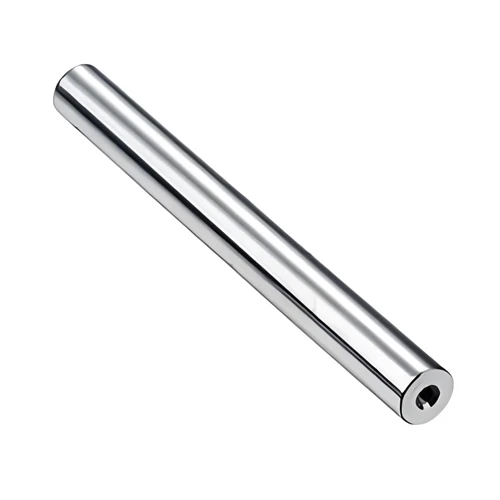
Most food-grade magnetic separators are constructed using 304 stainless steel, which offers good corrosion resistance and durability in food processing conditions. For applications involving higher acidity or aggressive cleaning chemicals, 316 stainless steel can also be used as an optional upgrade.

Food-Grade Magnetic Separators
Send Inquiry Now
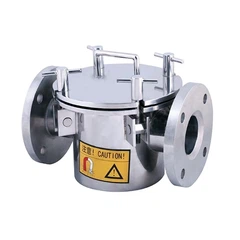
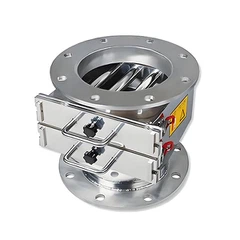
These separators are commonly installed in pipelines, chutes, and gravity-fed systems, where they intercept metal fragments before the product moves to the next stage. Their housings are designed with smooth surfaces and minimal crevices to prevent product buildup and allow easy cleaning. Surface finishes are often controlled to low roughness levels (such as specific Ra values) to support hygienic standards.
Many designs are compatible with CIP (Clean-in-Place) systems, allowing efficient cleaning without full disassembly. In food processing, reliability and consistency are essential to maintain product safety and regulatory compliance.
Why Are Food-Grade Magnetic Separators More Expensive?
When comparing food-grade magnetic separators with standard industrial models, the price difference can be noticeable. The higher cost reflects stricter material standards, tighter quality control, and performance requirements specific to food processing environments.
Material Quality and Raw Materials
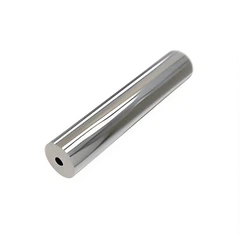
Food-grade separators are typically made from high-quality stainless steel, such as 304 or 316, selected for corrosion resistance and cleanability. The magnet cores are also chosen to provide stable magnetic performance under frequent cleaning and varying temperatures. Raw material selection directly affects durability and compliance with food safety standards.
Manufacturing Process and Quality Control
Production processes for food-grade systems involve tighter dimensional control and smoother surface finishing. Welds must be properly treated and polished to avoid crevices where residue can collect. Manufacturers often implement inspection procedures, maintain production records, and provide traceability for materials and components. Documentation supports audits and regulatory requirements in food facilities.
Performance and Durability
Food-grade separators are designed for continuous operation in environments where contamination control is critical. They must maintain consistent magnetic strength while withstanding regular cleaning cycles. Structural integrity, sealing performance, and stable magnet assembly contribute to long-term reliability.
Industry-Specific Requirements
Food processing standards require hygienic design, compatibility with cleaning systems such as CIP, and surfaces finished to controlled roughness levels. These requirements add complexity to manufacturing and testing.
The price difference reflects the added engineering, verification, and compliance work needed for safe and consistent food production environments.
Food-Grade vs Standard Magnetic Separators
When selecting a magnetic separator, understanding the differences between food-grade and standard models helps you match the equipment to your operating environment. The table below highlights key distinctions.
| Feature | Food-Grade Magnetic Separator | Standard Magnetic Separator |
|---|---|---|
| Construction Material | 304 or 316 stainless steel | Carbon steel or basic stainless steel |
| Surface Finish | Smooth, polished surface (controlled Ra value) | Standard industrial finish |
| Hygiene Design | Designed to minimize crevices and residue buildup | Focused on functional performance |
| Cleaning Compatibility | CIP-compatible and easy to sanitize | Manual cleaning in most cases |
| Documentation | Traceability and inspection records available | Limited documentation |
| Compliance Focus | Built for food safety standards | Designed for general industrial use |
| Cost Level | Higher due to sanitary requirements | More cost-effective |
Food-grade magnetic separators are engineered for environments where hygiene, traceability, and compliance are critical. Standard magnetic separators are suitable for general industrial applications where strict sanitary requirements are not required.
Magnetic Separation vs Metal Detection in Food Processing
In food processing lines, magnetic separation and metal detection serve different but complementary roles. Understanding the difference helps you design a more reliable contamination control system.
Magnetic separation physically removes ferrous metal particles from the product stream. It is typically installed earlier in the process, such as at ingredient intake, powder transfer points, or pipeline systems. Once captured, the metal is held by the magnet and taken out of circulation.
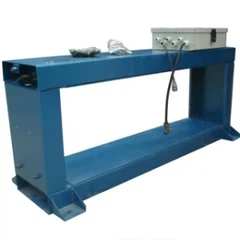
Metal detection works differently. It identifies the presence of metal contaminants-both ferrous and non-ferrous-using electromagnetic sensing technology. However, it does not remove the metal automatically. When metal is detected, the system triggers a rejection mechanism to isolate the affected product.
In many food plants, magnetic separators and metal detectors are used together. Magnetic separation reduces the metal load entering the line, while metal detection provides final verification before packaging. This layered approach supports stronger contamination control and audit confidence.
Applications of Food-Grade Magnetic Separators
Food-grade magnetic separators are used at critical control points in food processing lines. Their purpose is to remove ferrous contamination while meeting sanitary requirements.
Ingredient Receiving
During raw material intake, ingredients such as flour, sugar, grains, and spices may contain metal fragments from harvesting or transportation. Magnetic separators installed at receiving points capture these contaminants before the materials enter storage or processing systems. Early removal protects downstream equipment and supports process stability.
Powder Systems

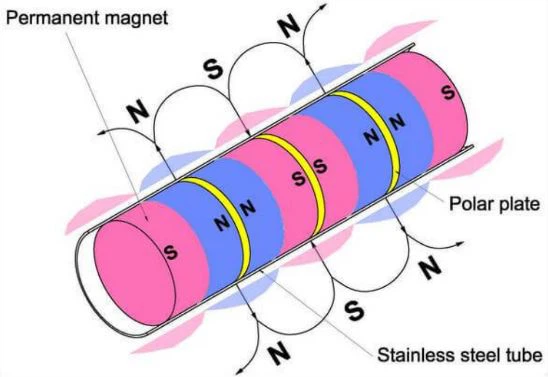
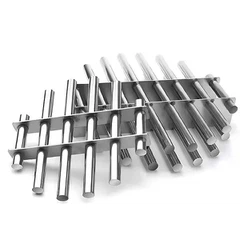
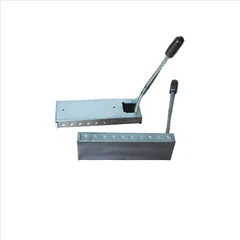
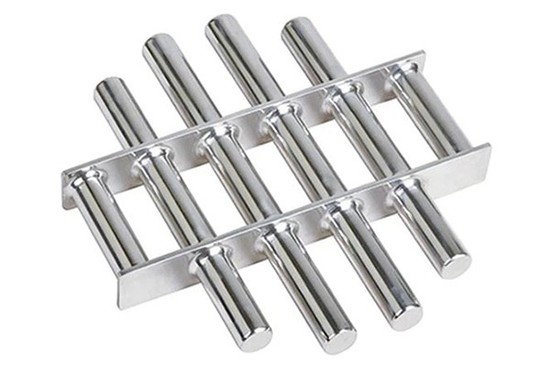
In powder handling systems, magnetic separators are commonly placed in gravity-fed chutes, hoppers, and pneumatic transfer lines. Fine powders can easily carry small metal particles, making high-intensity magnetic bars or drawer systems suitable for this stage. Proper installation ensures consistent separation without disrupting material flow.
Liquid Lines
Food-grade magnetic separators are also used in liquid processing lines, including dairy, sauces, and beverage production. Magnetic liquid traps are installed within pipelines to capture ferrous particles before filtration or filling stages. These systems are designed for easy cleaning and compatibility with sanitation procedures.
Packaging
Before final packaging, magnetic separation may be applied to ensure finished products are free from metal contamination. Installing separators at this stage provides an additional control point in the production process, supporting overall operational reliability.
Selecting the Right Magnetic Strength for Food Applications
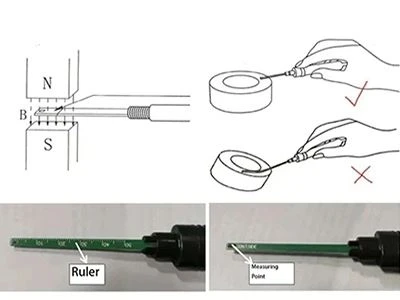
Choosing the correct magnetic strength is important in food processing. Higher Gauss levels are not always better. The selection should match your product type, contamination risk, and material flow conditions.
Fine Powders Require Higher Gauss
Fine powders such as flour, milk powder, spices, and starch can carry very small metal fragments. These particles are often weakly magnetic and difficult to capture. In such cases, high-intensity magnetic separators with stronger Gauss levels are recommended to improve capture efficiency.
Large Contaminants Need Moderate Strength
Flow Thickness Affects Magnetic Performance
The thickness of the product flow directly affects magnetic reach. A thicker material layer reduces effective magnetic penetration. Proper installation height and magnet positioning are just as important as the Gauss level in achieving stable separation.
Avoid Overdesign
Compliance and Food Safety Standards
In food processing environments, magnetic separation systems must align with established safety and hygiene standards. While the core function remains metal removal, compliance requirements influence material selection, surface finish, and documentation.
Food-grade magnetic separators are typically designed to support frameworks such as HACCP (Hazard Analysis and Critical Control Points). Proper installation at defined control points helps manage contamination risks within the production line.
Material traceability is also important. Stainless steel grades, magnet components, and welding processes may require documented records for audit purposes. Inspection reports and production documentation help demonstrate consistency and regulatory awareness.
Surface design plays a role as well. Smooth finishes, sanitary welds, and cleanable structures support routine sanitation procedures and inspection readiness.
Compliance is not only about certification. It is about designing equipment that supports safe and controlled food production over time.
Food-Grade Magnetic Separators: Is the Higher Price Worth It?
When comparing food-grade magnetic separators with standard industrial models, the main question is often about risk versus cost. At first glance, a lower-priced option may seem attractive. However, in food processing environments, the margin for error is small.
A single metal contamination incident can lead to product recalls, production downtime, and reputational damage. The cost of addressing a recall or failing an audit often exceeds the initial savings from choosing lower-spec equipment. In this context, the investment decision is less about purchase price and more about risk management.
Food-grade systems are designed with hygienic structures, smoother surfaces, and documented traceability. These features support easier cleaning, more consistent inspections, and better audit readiness. Over time, improved cleanability and stable performance can reduce maintenance interruptions and compliance concerns.
While the upfront cost is higher, the long-term value often lies in operational stability and reduced exposure to safety-related risks.
FAQs
Q: Can food-grade magnetic separators detect very small metal particles?
A: Yes. High-intensity magnetic bars or grids can capture fine ferrous particles, depending on the magnetic strength and installation design. The effectiveness depends on product flow characteristics and correct positioning within the system.
Q: Do food-grade magnetic separators require certification?
A: The equipment itself may not require a universal certification, but it must meet the hygiene and material requirements defined by food safety management systems such as HACCP. Proper documentation supports compliance during audits.
Q: Are custom sizes available for specific food processing systems?
A: Yes. Magnetic separators can be manufactured to match specific pipeline diameters, hopper dimensions, or processing layouts. Clear technical drawings help ensure accurate fit and performance.
Q: What happens if a food-grade magnetic separator is overloaded?
A: If excessive metal builds up on the magnet surface, separation efficiency may decrease. Regular inspection and cleaning schedules help prevent overload and maintain stable performance.
Q: Can food-grade magnetic separators handle high-temperature processes?
A: Yes, but magnet grade and housing material must match the operating temperature. High-temperature environments may require specialized magnet materials to prevent performance loss.
Q: Can magnetic separators be used in both dry and wet food processing?
A: Yes. Different designs are available for dry powders, granules, and liquid products. Selecting the correct configuration ensures reliable separation under specific processing conditions.