



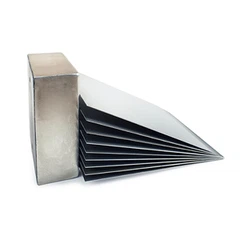


































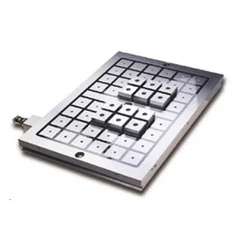


Neodymium magnet, also known as NdFeB magnet, is a tetragonal crystal formed by neodymium, iron, and boron. The NdFeB magnet is a kind of permanent magnet and is also the most commonly used rare earth magnet. Its magnetism is second only to the absolute zero-degree holmium magnet. In this article, let’s take a look at the common applications of neodymium magnets.

There are many uses of NdFeB magnets, each of which plays an important role in life:
1. Magnetization: This technology uses a magnetic field to magnetize objects, which can change the properties and bonding conditions of objects, change the conditions of atoms and electrons, and catalyze chemical reactions.
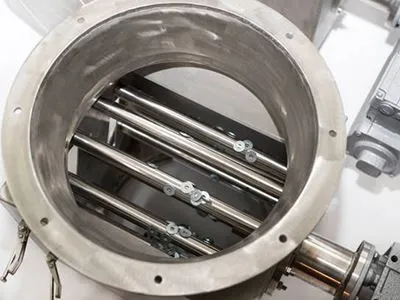
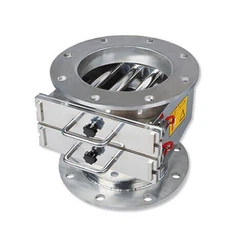
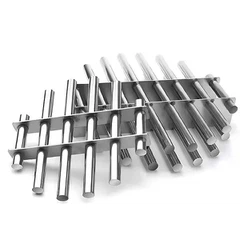
2. Magnetic separation: This technology is also known as magnetic separation technology, which can extract magnetic substances from non-magnetic substances, and is commonly used in mineral processing coal, medicine, chemical industry, and water treatment.
3. Lifting the load: For example, a crane uses magnetic force to attract objects. It is small in size and has a large force. For objects that can be adsorbed such as iron blocks, steel, and mechanical parts, magnetic cranes are very suitable.
4. Audio: In fact, there are NdFeB magnets in our house, and they play a great role in it. The speaker is a device that converts electrical and acoustic signals, and an important part of it is the NdFeB magnet.
5. Microwave communication: NdFeB magnets are also very useful in communication. Magnetrons, satellite communications, radar detection, electronic tracking, etc. all require NdFeB magnets.
6. Permanent magnet motor: There are many motors in the cars we see every day. NdFeB magnets are an important part of the motor. Its appearance makes the motor more energy-saving, smaller, and has higher specific power. technology crossed.
7. Magnetic therapy: In medicine, NdFeB magnets are used to develop magnetic therapy equipment for people to treat arthritis, coronary heart disease, and other diseases.
8. Magnetic Resonance Imaging: In the department of the hospital, the department of cardiovascular and cerebrovascular, and the department of the nervous system, there is often a necessary test, that is, magnetic resonance imaging, which can detect the lesions of human soft tissue and help doctors make a more accurate diagnosis. discriminate.