

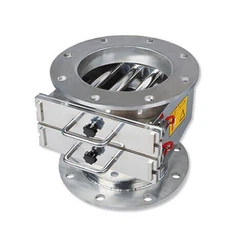
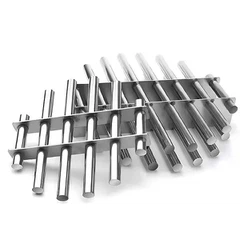
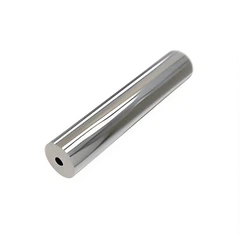
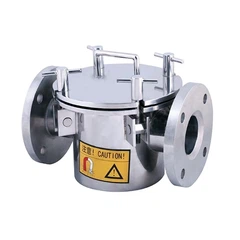
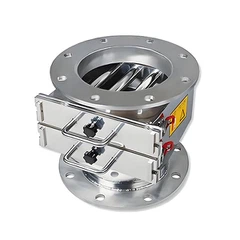
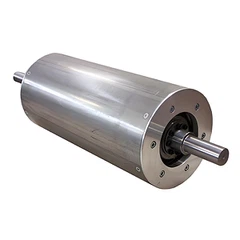
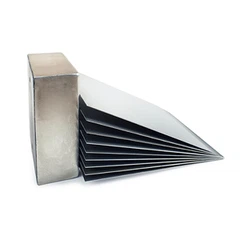
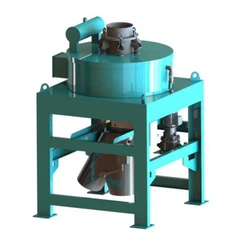

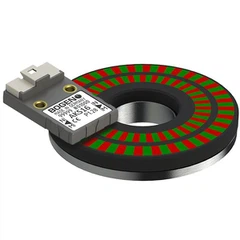
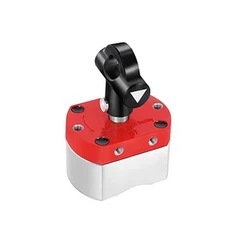

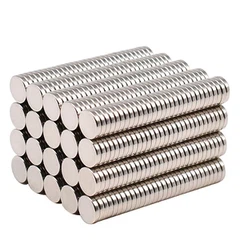
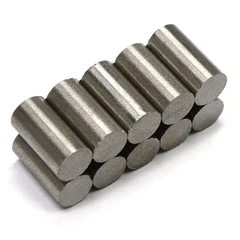
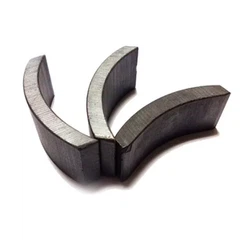
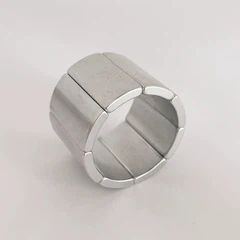
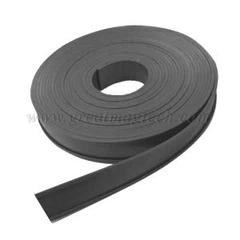
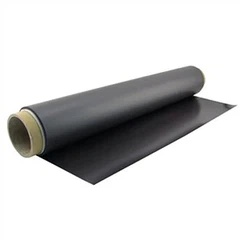
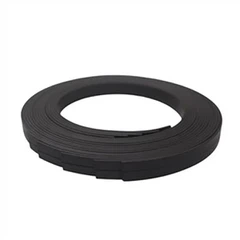

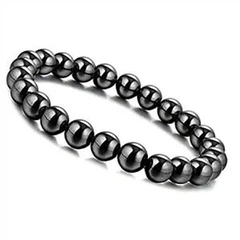


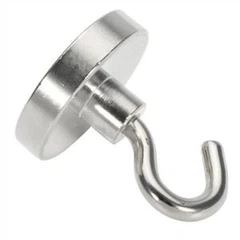
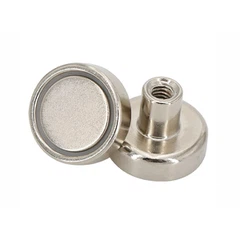
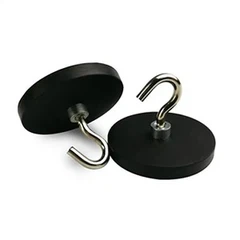
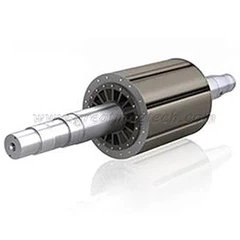


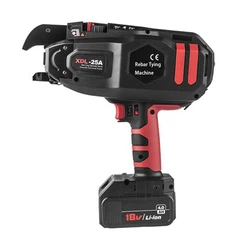
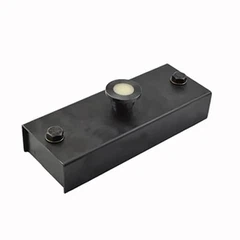
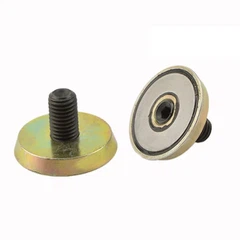
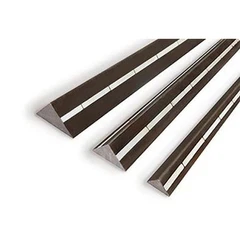
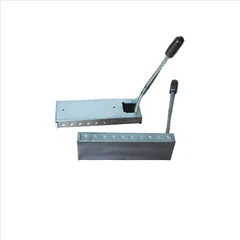
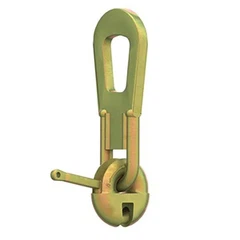

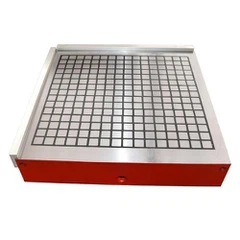
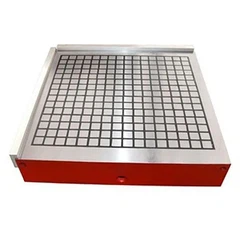
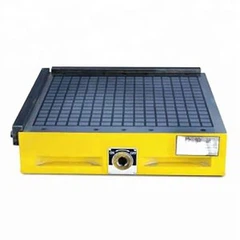
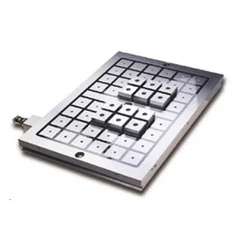


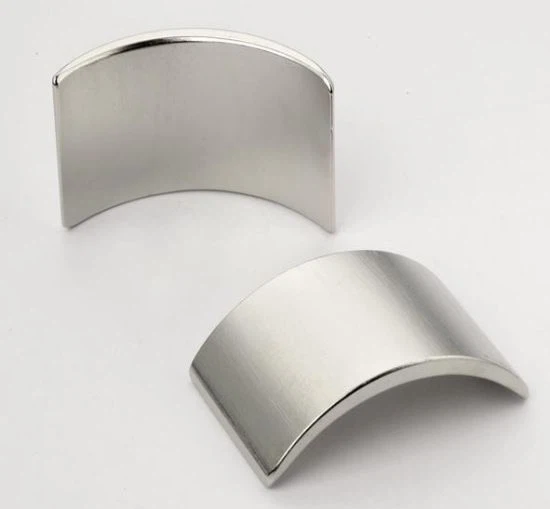


Neodymium Permanent Magnet (also known as NdFeB, NIB or Neo magnet ), the most widely used type of rare-earth magnet, is a permanent magnet made from an alloy of neodymium, iron, and boron to form the Nd2Fe14B tetragonal crystalline structure. Multiple choices of shapes can meet specific customer requirements.


Magnet Grades
The Grade of a magnet generally indicates how “strong” a magnet material is, which is measured by the Maximum Energy Product. The energy product is commonly specified in units of Gauss Oersted. The higher the grade the “stronger” the magnet.
GME Neodymium Permanent Magnet is graded according to their maximum energy product, which relates to the magnetic flux output per unit volume. Higher values indicate stronger magnets and range from N35 up to N52. and M, H, SH, UH, EH, AH series, can be customized into a wide range of shapes and sizes with higher heat resistance. Multiple choices of coatings and magnetization orientations can meet specific customer requirements. Letters following the grade indicate maximum operating temperatures (often the Curie temperature), which range from M (up to 100 °C) to EH (200 °C) to AH (230 °C)
Magnet Coatings
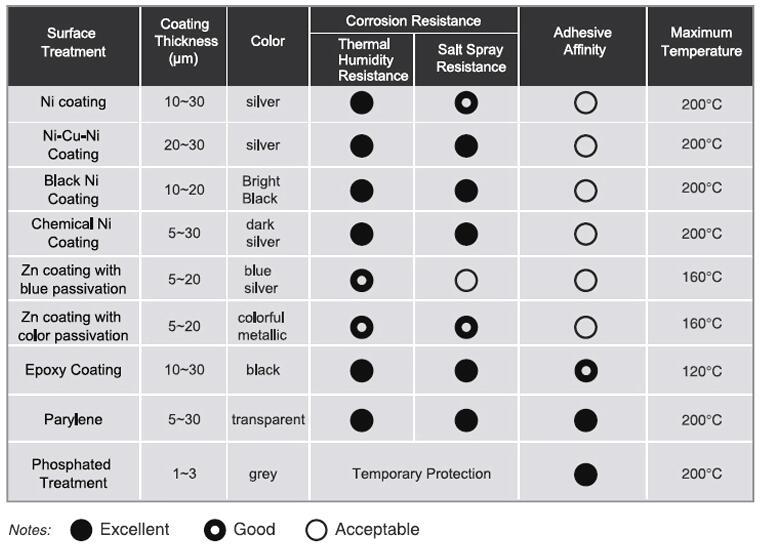
As Neodymium magnet is prone to corrosion, it is usually preferable to be coated for protection. Among a variety of options for coatings, nickel and nickel-copper-nickel are the most commonly used, making the magnet more corrosion resistant and durable.

Magnetization Orientations
Our magnet products can be delivered magnetized and un-magnetized. Some production methods require the magnets being incorporated into assemblies in a un-magnetized state and magnetized later once the assembly is completed. There are various magnetic orientations available for different shapes of magnets.

Quick Ordering Process
As the neodymium magnet is a highly customized product, the buyers are strongly be suggested to provide the following information so as to get the exact quotation from us.

More questions or concerns about our products, free to CLICK HERE for soonest feedback.
FAQ
1. Which is the strongest type of magnet?
Neodymium (more precisely Neodymium-Iron-Boron) magnets are the strongest permanent magnets in the world.
2. What are neodymium magnets? Are they the same as "rare earth"?
Neodymium magnets are a member of the rare earth magnet family. They are called "rare earth" because neodymium is a member of the "rare earth" elements on the periodic table. Neodymium magnets are the strongest of the rare earth magnets and are the strongest permanent magnets in the world.
3. What's the Grade of a magnet?
GME Neodymium Permanent Magnet is graded according to their maximum energy product, which relates to the magnetic flux output per unit volume. Higher values indicate stronger magnets and range from N35 up to N52. and M, H, SH, UH, EH, AH series, can be customized into a wide range of shapes and sizes with precise tolerances. Multiple choices of coatings and magnetization orientations can meet specific customer requirements. Letters following the grade indicate maximum operating temperatures (often the Curie temperature), which range from M (up to 100 °C) to EH (200 °C) to AH (230 °C)
4. What materials do magnets attract?
Ferromagnetic materials are strongly attracted by a magnetic force. The elements iron (Fe), nickel (Ni), and cobalt (Co) are the most commonly available elements. Steel is ferromagnetic because it is an alloy of iron and other metals.
5. What materials can I use to block/shield magnetic fields?
Magnetic fields cannot be blocked, only redirected. The only materials that will redirect magnetic fields are materials that are ferromagnetic (attracted to magnets), such as iron, steel (which contains iron), cobalt, and nickel. The degree of redirection is proportional to the permeability of the material. The most efficient shielding material is the 80 Nickel family, followed by the 50 Nickel family.
6. How is the strength of a magnet measured?
Gaussmeters are used to measure the magnetic field density at the surface of the magnet. This is referred to as the surface field and is measured in Gauss (or Tesla). Pull Force Testers are used to test the holding force of a magnet that is in contact with a flat steel plate. Pull forces are measured in pounds (or kilograms).
7. Can I cut, drill, or machine neodymium magnets?
The Neodymium Iron Boron material is very hard and brittle, so machining is difficult at best.

Hot Tags: high quality sintered ndfeb magnet, manufacturers, suppliers, factory


