



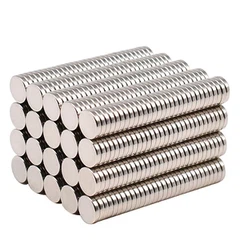



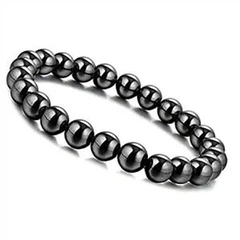



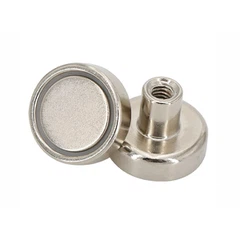

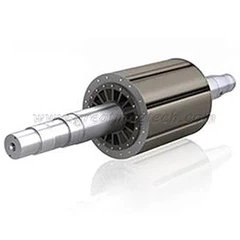



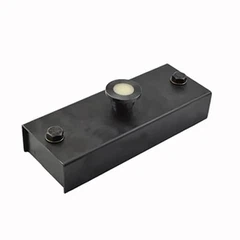



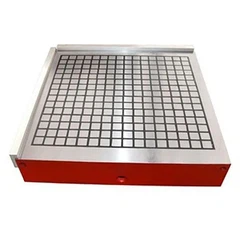

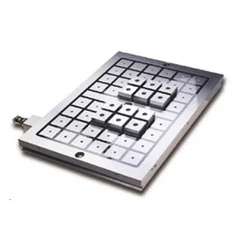


NdFeB magnets, as the third generation of rare earth permanent magnet materials, occupy an irreplaceable position in modern industry and electronic technology with their excellent magnetic properties and relatively reasonable production costs. Rare earth permanent magnet materials are made from alloys of rare earth metals and transition metals through a specific process. They have high magnetocrystalline anisotropy and high saturation magnetization. They are one of the permanent magnet materials with the most superior magnetic properties currently known. In particular, NdFeB permanent magnet materials based on the intermetallic compound Nd2Fe14B are increasingly used in strategic emerging industries due to their extremely high magnetic energy product and coercive force.
The production of NdFeB materials can be divided into sintering, bonding, hot pressing, and other types according to different production processes. Among them, sintered NdFeB has become the mainstream choice in the market due to its excellent comprehensive performance and high cost-effectiveness. As the global demand for high-performance magnetic materials continues to grow, the application of NdFeB magnets in new energy vehicles, energy-saving home appliances, drones, wind turbines, and other fields is rapidly expanding.

Detailed Explanation of the Manufacturing Process
1. Raw material selection and smelting
The manufacturing of NdFeB magnets starts with selected raw materials. The rare earth elements neodymium, iron, and boron are the main components, and small amounts of dysprosium, niobium, copper, and other elements may be added to optimize performance. These materials are smelted in a high-temperature furnace in a high vacuum or protective atmosphere to form a uniform alloy ingot. This process requires strict control of the atmosphere composition and temperature profile to avoid the incorporation of impurities and the oxidation of elements.
2. Powder preparation
The alloy ingots undergo multiple cold rolling and heat treatments, followed by hydrogen crushing to convert large chunks of alloy into fine powders. This step is critical to the particle size, shape, and consistency of the powder. During the powdering process, the oxygen content of the powder needs to be strictly controlled to prevent the oxidation of rare earth elements.
3. Forming and magnetic field orientation
The powder is loaded into a stamping die, oriented and arranged under the action of an external magnetic field, and then formed into a green body of the desired shape through molding or cold isostatic pressing technology. This step determines the microstructure and orientation of the magnet and has a significant impact on the final magnetic properties.
4. Sintering and tempering
Sintering is a key step in improving magnet density and magnetic properties. At high temperatures, powder particles diffuse and combine to form dense magnets. After sintering, magnets usually undergo a tempering process to optimize their microstructure for optimal magnetic properties.
5. Mechanical processing
The sintered magnets are machined according to application requirements, including cutting, drilling, grinding, etc. to achieve precise size and shape. Tolerances must be strictly controlled during processing to ensure the consistency and reliability of the magnets.
6. Surface treatment and plating
Since NdFeB magnets are sensitive to corrosion, surface treatment is essential. Common treatments include galvanizing, nickel plating, or electrophoretic coating to provide an extra layer of protection and improve the appearance of the magnet. The electroplating process requires precise control of the composition of the plating solution and plating parameters to ensure the uniformity and adhesion of the coating.
7. Quality inspection and performance evaluation
Finally, each magnet must undergo strict quality inspection, including dimensional accuracy, appearance inspection, magnetic performance testing, etc. Magnetic performance testing usually includes measuring key indicators such as remanence, coercivity, and maximum magnetic energy product. In addition, it is possible to perform performance evaluation under special environments, such as changes in magnetic properties under high temperature, low temperature, or high humidity conditions.
Through the above process steps, NdFeB magnets can reach high-performance standards and meet the strict requirements of modern industry for strong magnetic materials. Every detail in the manufacturing process has a direct impact on the performance of the final product, so precision control and a strict quality management system are the keys to manufacturing high-quality NdFeB magnets.