
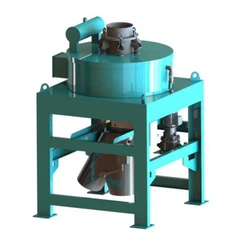

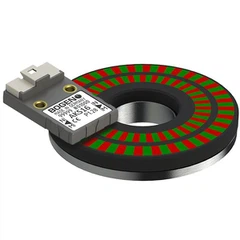
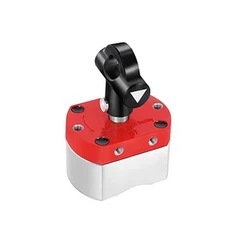

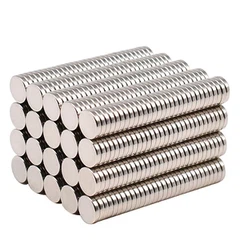
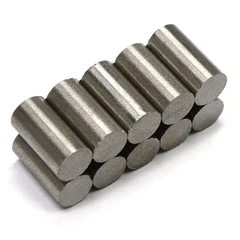
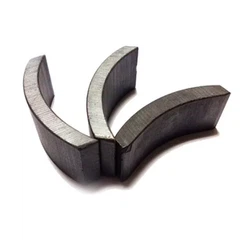
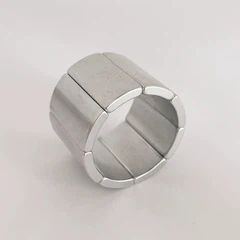

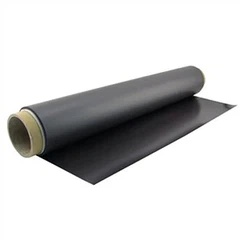
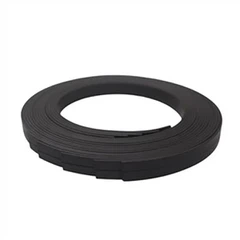

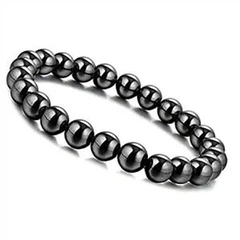


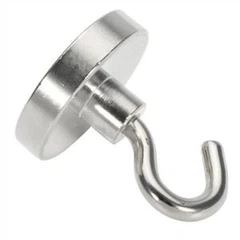







Magnetization is the process of making a magnetized magnet out of a permanent magnet. This is done by exposing the permanent magnet to a magnetic field, usually an electromagnet. The strength of the magnetization depends upon how long the material was exposed to the magnetic field and how strong it was. There are four types of magnets that can be created through this process: Permanent Magnets, Neodymium Magnets, Samarium Cobalt Magnets, and Alnico Magnets. Each of these types of magnets has different properties and uses depending on the type of material used to create them.
Permanent magnets are the most common form of magnetized materials and can be found in everyday items such as refrigerator magnets and doorbells.
Neodymium magnets are much stronger than permanent magnets and can be used in motors, generators, and certain medical devices.
Samarium Cobalt Magnets are also strong but not as strong as Neodymium Magnets; they are commonly used in MRI machines for imaging purposes.
Finally, Alnico Magnets are known to have the highest magnetic properties of any type of magnet and are used in a variety of applications such as loudspeakers, computer hard drives, and MRI machines.
Methods of Magnetization
Most new customers may wonder how they know about magnetism or how to use them. We have gathered some basic information about polarization.
The magnetization method of a magnet refers to the processes used to create a magnetized magnet. There are several different methods for creating a magnetic field in magnets, including static magnetization and dynamic or induced magnetization.
Static magnetization is accomplished by aligning the atoms inside the material of the magnet so that its electrons all spin in the same direction - this aligns the "magnetic domain" within the material and produces a magnetized magnet. This method is often used to create permanent magnets because it requires no external force to maintain its magnetic properties.
Dynamic or induced magnetization occurs when an external force (such as an electric current) is applied to an unmagnetized object, causing it to become temporarily magnetized. This method is often used to produce electromagnets and other magnets which can be turned on or off as needed.
In addition to these two magnetization methods, there are also alternative approaches such as cryogenic magnetization and high-frequency alternating current (AC) magnetization. Each of these methods has its own benefits and drawbacks, so it is important to choose the right one for your application. Regardless of the magnetization method used, it is essential to carefully monitor the process and ensure that the magnet remains properly aligned to maintain its desired magnetic properties.

Magnetization of permanent magnets
There are two methods generally used to magnetize permanent magnets: static magnetization and pulse magnetization. The first magnetizes via a static electromagnetic field and normally only generates a magnetic field of up to 2MA/m. Pulse magnetization, on the other hand, is used when stronger magnetic fields are desired, or for multipolar magnetization. Each method is optimized for specific materials, shapes and polar configurations.
Delivery of permanent magnets
Handling magnetized magnets may cause major problems for transport and assembly. They might cause injury due to dangerous forces, attract dirt or may hard to be kept in their assembly location. Thus the easy handling of unmagnetized magnets during transport and assembly often requires a magnetizytion of the fully assembled among others. Large, permanently magnetized magnets can damage or crush the body parts of people moving the goods. If a magnet is magnetized in the factory, it can affect navigational instruments, especially on aircraft, when moved, which is why laws govern the shipment of magnetized magnets.