






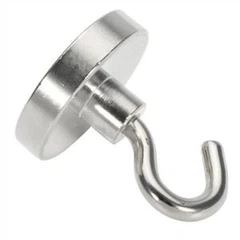
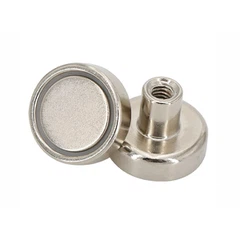
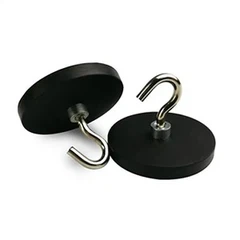
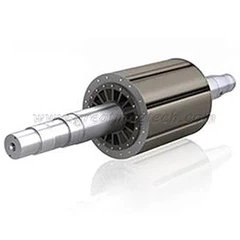




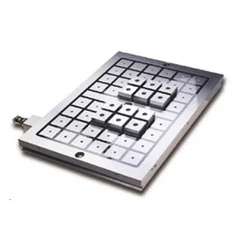


We all know that strong high-temperature resistant magnets have strong magnetic properties, huge pieces of strong high-temperature resistant magnets, which can easily hurt people when used. So how can strong high-temperature-resistant magnets eliminate magnetism?
The method is very simple. The temperature resistance of the strong high-temperature magnet is below 80 degrees. We only need to bake the strong high temperature magnet on the fire for a few minutes. After cooling, you put it next to the iron block and find that it has lost its magnetism. , can no longer breathe. The reason is that the strong high temperature resistant magnet is magnetic because the iron atoms in the strong high temperature resistant magnet are regularly arranged. After it is heated, the original arrangement of iron atoms is disordered, and thus it loses its original magnetism. Similarly, we can also use other methods to demagnetize the strong high-temperature magnet.
High temperature-resistant magnets should be called magnetic steels. Magnets are now mainly divided into two categories, one soft magnetic and the other a permanent magnet; permanent magnets include silicon steel sheets and soft high-temperature resistant magnet cores; hard magnets include AlNiCo, Samarium Cobalt, ferrite, and NdFeB, among them, the most expensive is samarium cobalt magnet, the cheapest is ferrite magnet, the highest performance is NdFeB magnet, but the performance is the most stable, the temperature coefficient is the highest The good thing is AlNiCo magnets, users can choose different hard magnetic products according to different needs.
How to define the performance of high-temperature magnets? There are three main performance parameters to determine the performance of high-temperature resistant magnets: Remanence Br: After the permanent magnet is magnetized to technical saturation, and the external magnetic field is removed, the retained Br is called the residual magnetic induction intensity. Coercive force Hc: To reduce the B of the permanent magnet magnetized to technical saturation to zero, the required reverse magnetic field strength is called the magnetic induction coercive force, abbreviated as the coercive force. Magnetic energy product BH: represents the magnetic energy density established by the high-temperature resistant magnet in the air gap space (the space between the two magnetic poles of the high-temperature resistant magnet), that is, the static magnetostatic energy per unit volume of the air gap. Since this energy is equal to the product of Bm and Hm of the high-temperature magnet, it is called the magnetic energy product.