


















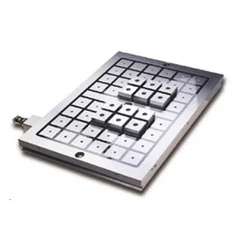


In today's world, it's becoming increasingly important to find innovative solutions to improve water and air quality. One such solution is the use of magnetic rod filters. These filters have been developed to remove contaminants from fluids and gases using magnetic fields.
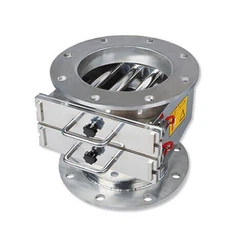
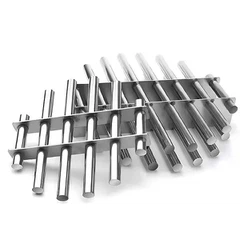
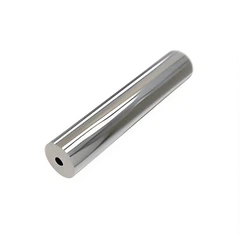
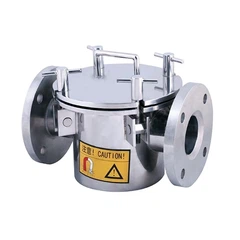
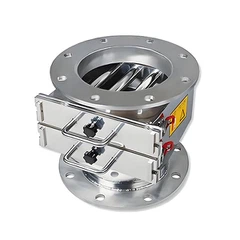
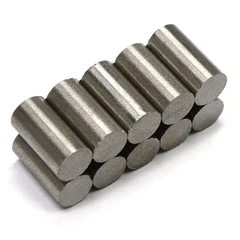
Magnetic bars consist of a cylindrical rod made of a magnetic material, usually neodymium, encased in a stainless steel housing. When fluid or gas flows through the housing, the magnetic rod attracts and holds onto any magnetic particles that may be present in the fluid or gas.
The effectiveness of magnetic rod filters in removing contaminants from fluids and gases has been demonstrated in numerous studies. For example, research conducted by the National University of Singapore found that magnetic rod filters were able to effectively remove heavy metals from wastewater. In addition to heavy metals, magnetic rod filters can also remove other contaminants such as oil, grease, and bacteria from fluids and gases. This makes them useful in a variety of industries, including the food and beverage industry, the pharmaceutical industry, and the water treatment industry.
One of the main advantages of magnetic rod filters is their ability to remove contaminants without the use of chemicals. This is important because the use of chemicals in water and air treatment can have negative environmental impacts and can also be harmful to human health.
Another advantage of magnetic rod filters is their low operating cost. Once the filter is installed, it requires very little maintenance and can last for several years. This makes them a cost-effective solution for improving water and air quality.
Neodymium magnetic rods are also easy to install and can be customized to fit the specific needs of different industries. For example, filters with different magnetic strengths can be used to target specific contaminants, and the size and shape of the filter can be adjusted to fit different pipes and systems.
Despite their many advantages, magnetic rod filters are not without limitations. One of the main limitations is that they are only effective at removing magnetic particles. This means that they may not be effective at removing non-magnetic contaminants such as chemicals and viruses.
Another limitation is that magnetic rod filters can become clogged over time. When this happens, the flow of fluid or gas through the filter can be restricted, which can reduce its effectiveness. However, this can be mitigated by periodically cleaning or replacing the filter. magnetic rod filters can become clogged over time.
In conclusion, magnetic rod filters are an innovative solution for improving water and air quality. They are effective at removing magnetic particles from fluids and gases without the use of chemicals and are also cost-effective and easy to install. While they do have some limitations, their many advantages make them a valuable tool in the fight against water and air pollution.
Let's Take A Closer Look At Their Use In The Water Treatment Industry.
Water treatment plants use a variety of methods to remove contaminants from water before it is distributed to consumers. One of the key steps in this process is filtration, which involves passing water through a filter to remove impurities.
Magnetic rod filters can be used in combination with other filtration methods to remove a wide range of contaminants from water. For example, they can be used to remove heavy metals such as lead and copper, which can be harmful to human health if consumed in large quantities. Magnetic tubes are also effective at removing bacteria and other microorganisms from water. This is important because bacteria can cause illness and disease, especially in people with weakened immune systems.
One of the advantages of using magnetic rods in water treatment is that they can be used to target specific contaminants. For example, if a particular water source is known to have high levels of iron, a magnetic rod filter with a high magnetic strength can be used to remove the iron from the water. In addition to their effectiveness at removing contaminants, magnetic rod filters also have a number of other benefits in the water treatment industry. For example, they can help to reduce the amount of chemicals needed to treat water, which can reduce the environmental impact of water treatment.
Magnetic rod filters can also help to reduce the amount of energy needed to treat water. This is because they can be used to remove contaminants that would otherwise clog or damage other filtration systems, which can reduce the overall efficiency of the treatment process.
Overall, magnetic rod filters are a valuable tool for improving water and air quality. While they do have some limitations, their effectiveness at removing contaminants without the use of chemicals makes them a promising solution for a wide range of industries. As research and development in this field continue, we can expect to see even more innovative uses for magnetic rod filters in the future.